What Are the Benefits of Woven Mesh for Global Buyers?
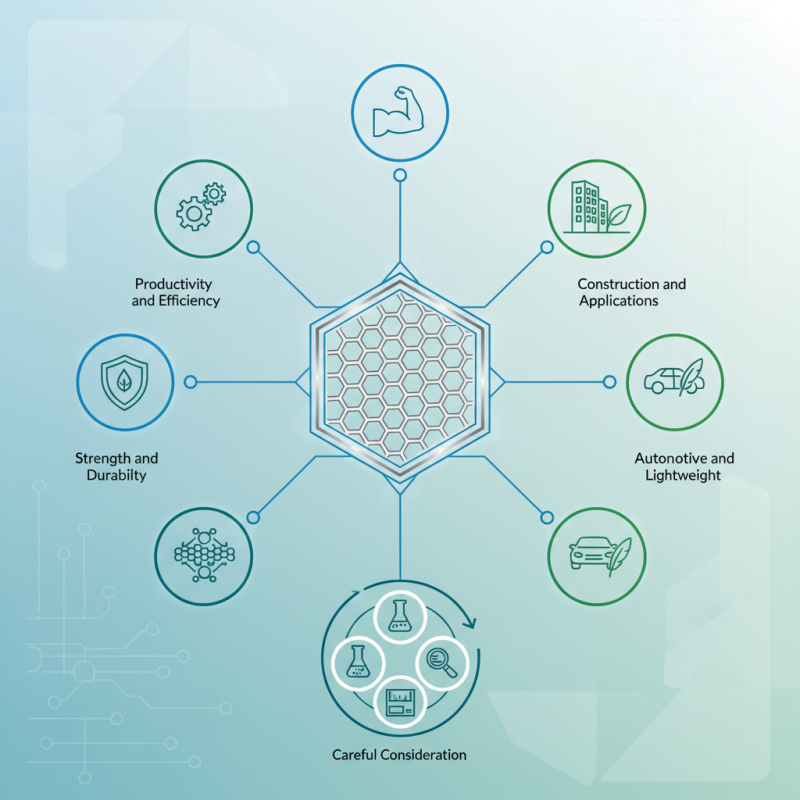
Woven Mesh has emerged as a versatile solution for global buyers across various industries. With its unique structure and numerous applications, it offers significant advantages that can enhance productivity and efficiency. This material is increasingly recognized for its strength and durability. Businesses are leveraging Woven Mesh to optimize their operations and improve product design.
The applications of Woven Mesh are diverse, ranging from industrial uses to consumer products. In construction, it serves as a reliable reinforcement material. In agriculture, it functions as protective coverings for crops. Additionally, Woven Mesh finds a place in the automotive industry for its lightweight yet sturdy features. These varied uses show its adaptability.
However, buyers must consider their specific needs when selecting Woven Mesh. Not every type is suitable for all applications. It's essential to reflect on factors like material composition, mesh size, and intended use. Understanding these details can lead to better decisions. As the market continues to evolve, embracing Woven Mesh can be a game changer, provided buyers approach their choices with careful consideration.
Benefits of Woven Mesh: An Overview for Global Buyers
Woven mesh is becoming popular among global buyers for numerous reasons. Its versatility stands out in various applications. From agriculture to construction, woven mesh offers durability and strength. This material can withstand harsh weather, making it suitable for outdoor use. Buyers appreciate how it adapts easily to different requirements.
One key benefit of woven mesh is its lightweight nature. This makes transportation easier, saving costs for businesses worldwide. Moreover, it allows for efficient airflow and drainage, which is crucial in many settings. Buyers value how it reduces maintenance needs. However, some might need to consider its resilience under heavy loads.
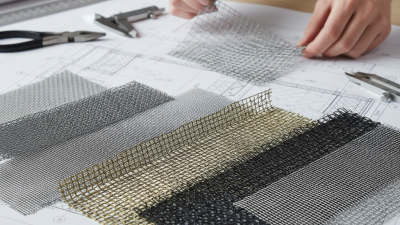
Additionally, woven mesh is often customizable. This flexibility attracts buyers looking for tailored solutions. They can choose from various patterns and materials to meet their specific needs. However, sourcing the right specifications can sometimes be challenging. Understanding the limitations of woven mesh is essential. Great benefits exist, but awareness of potential drawbacks helps in making informed decisions.
Key Applications of Woven Mesh in Various Industries
Woven mesh finds versatile applications across various industries. In manufacturing, it serves as a vital component for filtration systems. It effectively separates materials based on size, ensuring the quality of the end product. This mesh is common in cement, food processing, and chemical sectors, where precise filtration is essential.
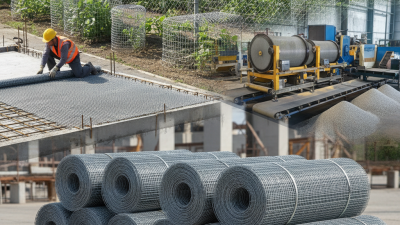
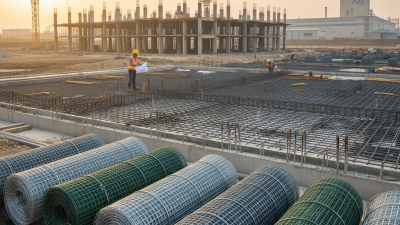
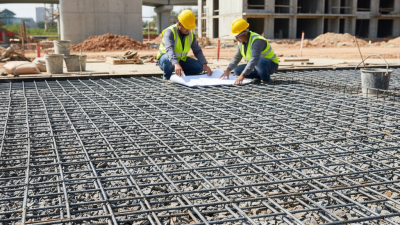
In construction, woven mesh provides strength and stability. It is often used in concrete reinforcement and erosion control. This mesh enhances structural integrity, preventing cracks and damage. Moreover, it can be customized to meet specific project requirements, making it an adaptable choice.
In the agricultural domain, woven mesh plays a crucial role in crop protection. It guards against pests while allowing adequate sunlight and moisture to pass through. This balance promotes healthy growth and higher yields. These applications highlight the importance of woven mesh across different sectors, showcasing its reliability and effectiveness.
What Are the Benefits of Woven Mesh for Global Buyers? - Key Applications of Woven Mesh in Various Industries
| Industry |
Application |
Benefits |
| Construction |
Concrete Reinforcement |
Increased strength and durability |
| Automotive |
Interior Fabrics |
Lightweight and high breathability |
| Food & Beverage |
Sieving and Filtration |
Effective separation and contamination prevention |
| Medical |
Surgical Mesh |
Enhanced healing and reduced infection risk |
| Aerospace |
Weight Reduction Components |
Improved fuel efficiency and performance |
| Agriculture |
Crop Protection |
Enhanced growth and pest control |
Cost-Effectiveness of Woven Mesh for International Sourcing
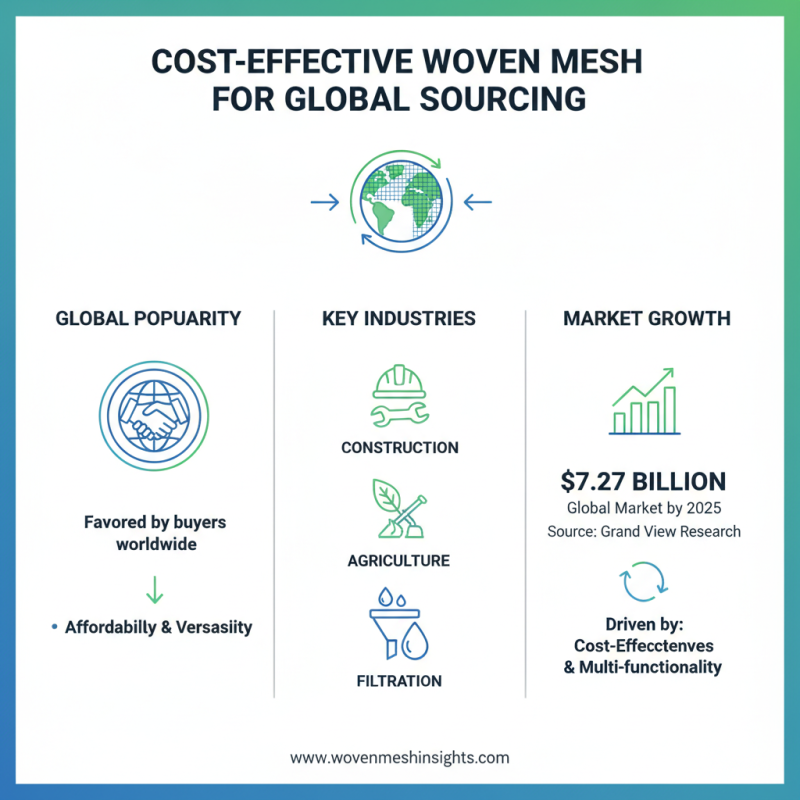
Woven mesh is gaining popularity among global buyers due to its cost-effectiveness in international sourcing. This product offers versatile applications across various industries, such as construction, agriculture, and filtration. A report from Grand View Research highlights that the global woven mesh market is expected to reach $7.27 billion by 2025, driven by its affordability and multifunctionality.
The production cost of woven mesh is generally lower than alternatives, thanks to improved manufacturing technologies. According to a study by Market Research Future, the cost efficiency of woven mesh can be up to 30% lower than other materials. This is particularly beneficial for buyers looking to reduce their sourcing expenses while maintaining quality. However, it’s essential for buyers to consider their specific needs, as lower costs can sometimes compromise durability or suitability for particular applications.
Buyers should also be aware of the challenges associated with international sourcing. Variations in quality and standards can lead to discrepancies, affecting project outcomes. It’s crucial to conduct thorough supplier assessments and quality checks. Investing time in understanding woven mesh specifications can prevent future issues. Ultimately, woven mesh remains a compelling choice for cost-conscious buyers, but vigilance in sourcing practices is essential to ensure reliability.
Durability and Longevity of Woven Mesh Products
Woven mesh products are known for their impressive durability and longevity. Materials used in woven mesh are often resistant to wear and tear. This makes them suitable for various applications, from industrial uses to everyday consumer products. The tight-knit structure of woven mesh ensures that it can withstand significant stress without compromising its integrity.
When considering woven mesh, it’s essential to evaluate specific factors. Not all woven mesh is created equal. Various weaves can affect strength, flexibility, and wear resistance. Buyers should analyze the intended application. For instance, a mesh used in landscaping may need different properties than mesh used in architectural applications.
Tips: Always seek sample materials. Test them in actual conditions before making bulk purchases. This can prevent costly mistakes. Consider environmental factors like moisture and UV exposure. These can significantly affect durability.
Consistent maintenance can also extend the lifespan of woven mesh products. Check for fraying or damage regularly. Addressing minor issues early can prevent larger concerns later. A proactive approach ensures the woven mesh serves its purpose effectively.
Environmental Considerations of Using Woven Mesh in Supply Chains
Woven mesh has become increasingly popular in supply chains. Buyers are not only attracted to its functionality but also its environmental benefits. It is essential to consider how woven mesh can contribute to sustainability efforts.
The production of woven mesh often uses recycled materials. This helps reduce waste and promotes a circular economy. Moreover, this material tends to be lightweight, which can decrease transportation emissions. By selecting woven mesh, companies can lower their carbon footprint and enhance their eco-friendly image.
**Tip:** Always look for suppliers who prioritize sustainable practices. This ensures that your mesh products align with your environmental goals.
Woven mesh is also durable, which translates into longevity. Its resistance to wear and tear can lead to less frequent replacements. However, there are concerns about manufacturing processes that may still involve pollutants. Buyers should scrutinize production methods to ensure they adhere to green standards.
**Tip:** Assess the certifications of your woven mesh suppliers. Check if they have environmental certifications to back their claims.
Benefits of Woven Mesh in Supply Chains