2026 Best Mesh Belt Options for Global Buyers?
In the ever-evolving landscape of industrial equipment, selecting the right Mesh Belt is crucial for operational efficiency. Experts like Dr. Anna L. Bennett, a renowned consultant in the materials handling sector, emphasize the importance of this choice. "A quality Mesh Belt can significantly enhance production flow," she states.
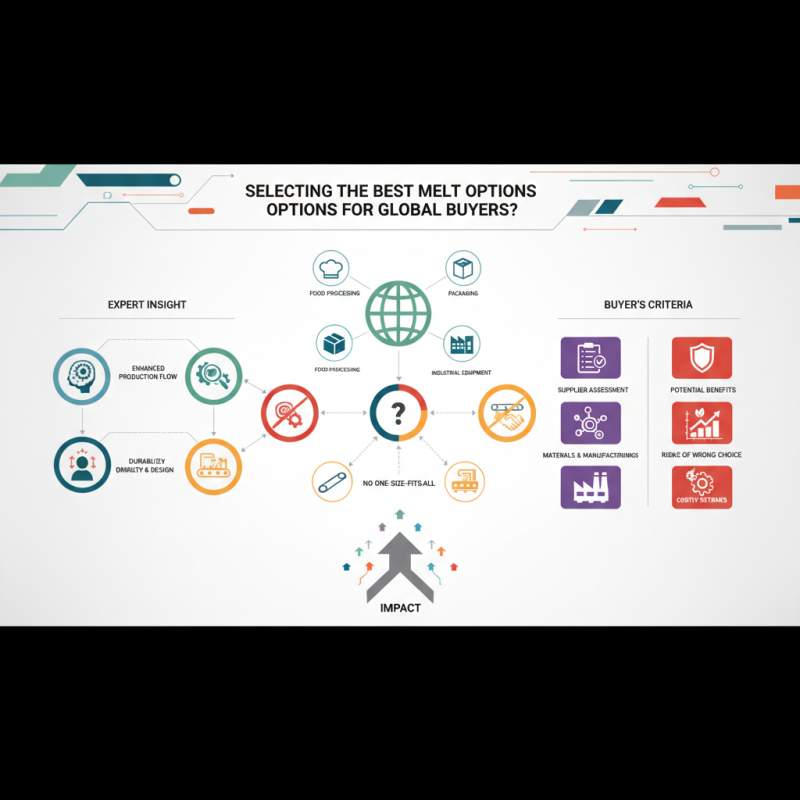
As global buyers navigate the market, factors such as durability and design become pivotal. Mesh Belts serve numerous industries, from food processing to packaging. Each application demands specific features, implying that a one-size-fits-all approach may not suffice.
Moreover, while many companies offer promising products, not all deliver on functionality. It's vital for buyers to assess suppliers meticulously. Understanding the nuances of materials and manufacturing processes can make a significant difference in performance. The right Mesh Belt can drive efficiency and sustainability, but choosing the wrong one may lead to costly setbacks.
2026 Mesh Belt Overview: Trends and Innovations
The mesh belt industry is evolving rapidly. In 2026, we see significant trends and innovations aimed at enhancing efficiency and sustainability. Manufacturers are focusing on lightweight materials and advanced mesh designs. These new materials not only reduce energy consumption but also improve durability. Adaptability in the production process is seen as crucial, allowing for custom solutions across various industries.
Tips: When choosing a mesh belt, consider the specific requirements of your operations. Compatibility with existing systems can save time and money. Always examine material properties to ensure long-lasting performance.
The rise of automation has also influenced mesh belt designs. More facilities are integrating smart technologies for better monitoring and control. These advancements can lead to improved throughput and reduced downtime. Yet, some industries may struggle to adopt these technologies due to costs. A careful evaluation of ROI is necessary for any investment in new innovations.
Establishing a reliable supply chain remains a challenge. Disruptions can affect lead times and product quality. Buyers should cultivate relationships with multiple suppliers to mitigate risks. Look for partners who prioritize innovation and transparency in their processes.
2026 Mesh Belt Market Trends: Usage and Innovation
This chart illustrates the market share percentage of mesh belts across various industry sectors expected in 2026. The food processing and automotive sectors are projected to hold the largest shares, reflecting ongoing trends and innovations in these industries.
Key Materials Used in High-Quality Mesh Belts
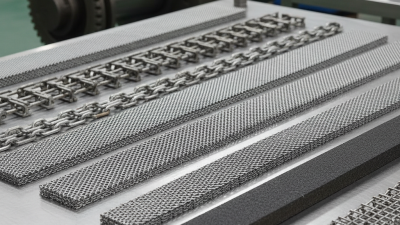
When considering high-quality mesh belts, the choice of materials is crucial. Commonly used materials include steel, polyester, and nylon.
Steel belts offer exceptional strength and durability. They are ideal for heavy-duty applications. Polyester is lightweight and resistant to chemicals. This makes it suitable for various industries, including food processing and packaging.
Nylon mesh belts are known for their flexibility and resistance to wear. They perform well in temperature-sensitive environments. Each material has its own set of characteristics, allowing buyers to select based on specific needs. However, the sheer variety can be overwhelming. Not every material will suit every purpose.
It's essential to consider factors like installation and maintenance. Some belts may require specialized equipment. Others might demand more frequent cleaning. As you explore options, keep in mind that the perfect mesh belt may not exist. Reflecting on your unique requirements can lead to better choices. A balance between cost and functionality is key.
Top Manufacturers and Brands in the Global Market
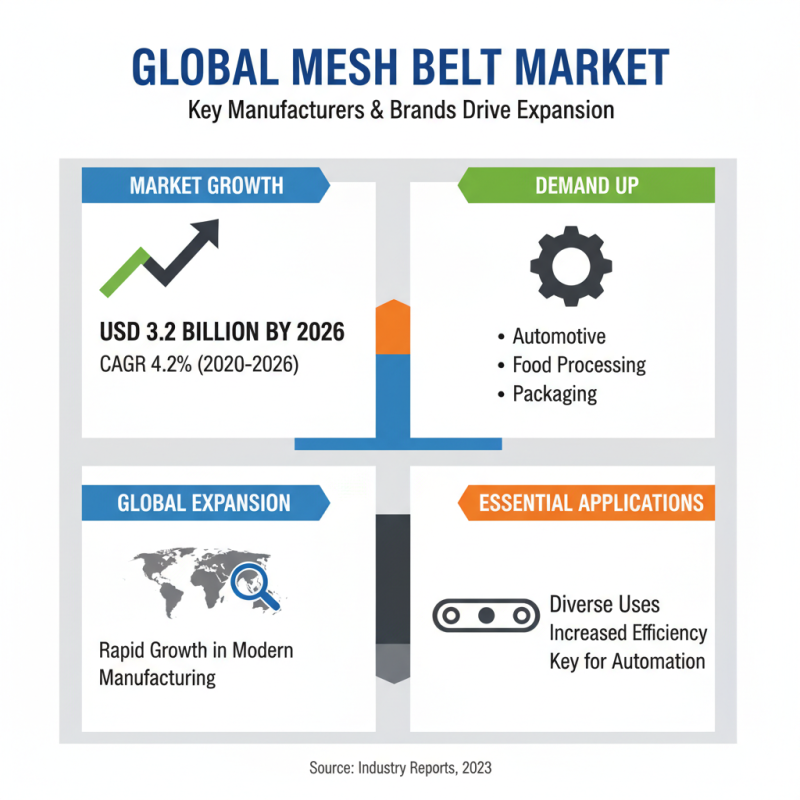
The global mesh belt market is expanding rapidly, with significant growth projected over the next few years. According to industry reports, the market size is expected to reach USD 3.2 billion by 2026, growing at a compound annual growth rate (CAGR) of 4.2%. This growth can be attributed to the increasing demand in various sectors, such as automotive, food processing, and packaging. The diverse applications of mesh belts make them essential for modern manufacturing processes.
Several manufacturers and brands dominate the global mesh belt landscape, showcasing advanced technology and innovative designs. Leading companies emphasize efficiency, durability, and ease of maintenance in their products. However, there's a constant need for improvement in material selection and manufacturing processes, as many companies face challenges related to sustainability and environmental regulations. The shift towards eco-friendly materials is important for long-term competitiveness.
Interestingly, while many manufacturers adopt high-tech solutions, some smaller players still rely on traditional practices. This gap in technology utilization highlights an area needing reflection and growth. Prospective buyers should evaluate manufacturers not just on product offerings but also on their commitment to sustainability and innovation. Therefore, the landscape for mesh belts is becoming increasingly complex, and buyers must stay informed to make the best choices.
Factors to Consider When Choosing a Mesh Belt
When choosing a mesh belt, various factors come into play. Material is crucial. Steel, polyester, and nylon are common choices. Each offers different durability and heat resistance. A recent market analysis indicated that at least 35% of industries prioritize material quality over cost. This reflects a trend toward longevity and reliability.
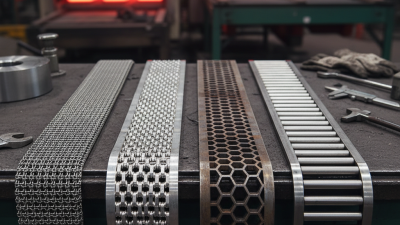
Another vital aspect is the mesh size. The gap between wires affects airflow and efficiency. For food processing, smaller gaps can prevent contamination. The International Journal of Food Engineering notes that improper mesh can lead to quality issues, impacting up to 25% of the production line. Regular assessments help ensure the chosen size meets operational needs.
**Tip:** Regularly check your mesh belts for wear. A slight change in performance might signal an underlying issue.
**Tip:** Always consider the loading capacity. Overloading can strain the belt, leading to quicker degradation. Aim for belts that can handle your specific requirements without compromise.
Applications of Mesh Belts in Various Industries
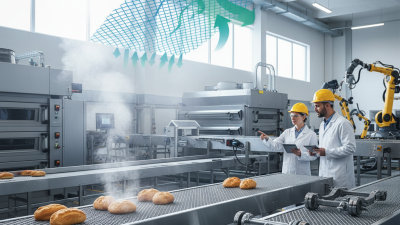
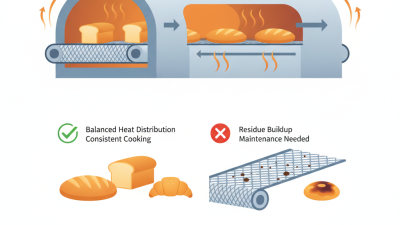
Mesh belts are gaining traction across many industries due to their versatility and durability. In food processing, for instance, they facilitate effective heating, cooling, and drying. These belts ensure that products maintain consistent quality during manufacturing. They can withstand hot and cold temperatures, enabling seamless transitions through various stages. Food safety standards also benefit from their smooth surfaces, which allow for easy cleaning.
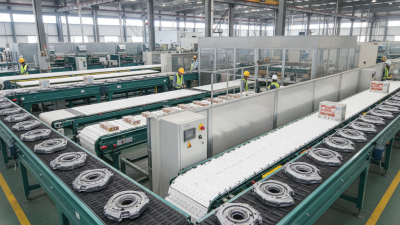
In the automotive sector, mesh belts serve critical roles in parts handling and assembly processes. Their design promotes airflow, preventing overheating of components during treatment. This feature is vital for ensuring optimal performance in manufacturing. However, some manufacturers struggle to find the right balance between durability and flexibility. This challenge can lead to inefficiencies and increased costs.
Textile industries also utilize mesh belts for drying and processing fabrics. A well-constructed mesh belt can handle delicate materials without causing damage. However, issues can arise if the belt’s construction is inadequate. Fraying or sagging can lead to production delays. Therefore, continuous evaluation of mesh belt performance is crucial for maintaining efficiency across industries.
2026 Best Mesh Belt Options for Global Buyers
| Application Industry |
Mesh Belt Material |
Belt Width (inches) |
Temperature Resistance (°C) |
Typical Applications |
| Food Processing |
Stainless Steel |
12 |
300 |
Baking, Frying |
| Textile |
Polyester |
20 |
120 |
Drying, Cooling |
| Automotive |
Fiber Reinforced Plastic |
16 |
250 |
Painting, Assembly |
| Pharmaceutical |
Nylon |
18 |
150 |
Drying, Sorting |
| Electronics |
Metal Wire |
15 |
200 |
Cooling, Transport |