Top Features of Chain Conveyor Belt for Efficient Material Handling?
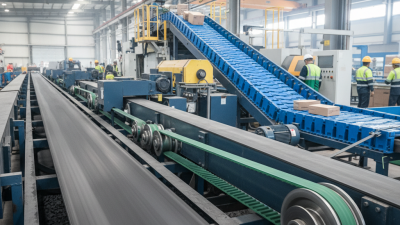
The Chain Conveyor Belt is a vital element in modern material handling systems. Its design greatly influences the efficiency of transporting goods. This type of conveyor operates by using linked segments, which can be specially tailored for varied products. As industries evolve, the demand for flexible and reliable systems grows.
Various features enhance the performance of Chain Conveyor Belts. For example, their durability ensures longevity even under heavy use. This is crucial in high-paced environments like manufacturing and warehouses. Moreover, these belts can handle a diverse range of materials, from small packages to heavy loads. Yet, they may require regular maintenance. Neglecting this can lead to inefficiencies and increased costs.
Investing in a high-quality Chain Conveyor Belt is essential. One must consider factors like load capacity and design adaptability. However, it’s important to select the right configuration to match specific needs. A mismatch can hinder productivity. An effective Chain Conveyor Belt can transform operations, but careful consideration is necessary for optimal results.
Key Advantages of Chain Conveyor Belts in Material Handling Systems
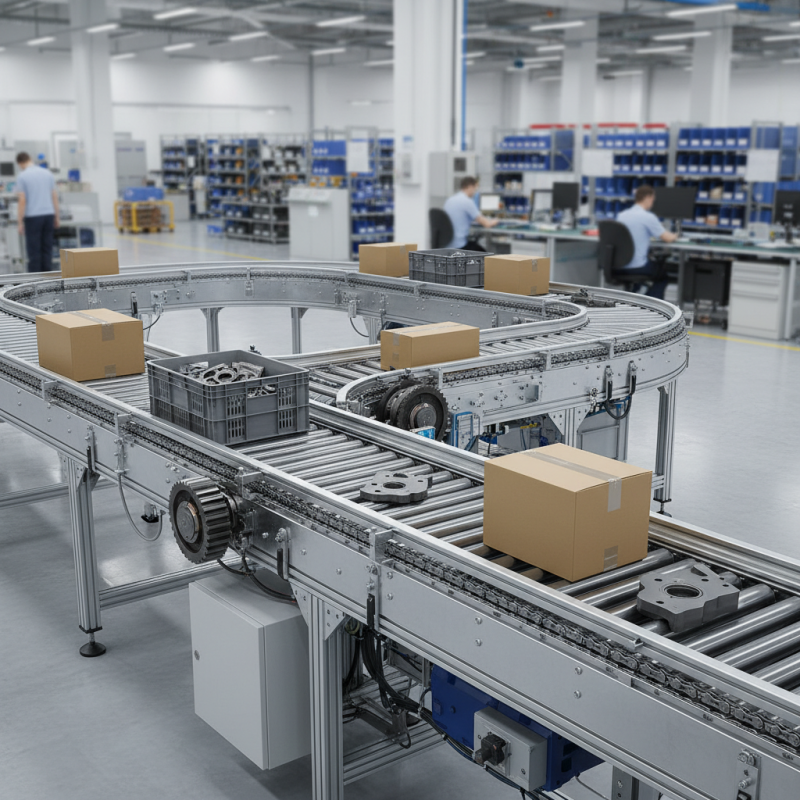
Chain conveyor belts offer numerous advantages in material handling systems. Their robust design allows for moving heavy loads across various distances. These belts can transport products in industries such as manufacturing, food processing, and woodworking. The versatility of chain conveyor belts makes them a popular choice for diverse applications.
One key advantage is their ability to handle uneven surfaces. Unlike traditional belts, chain conveyor belts maintain stability. They can move items at consistent speeds, preventing bottlenecks in operations. This reliability can reduce downtime and improve productivity. However, the initial installation can be complex and may require skilled labor.
Another benefit is their low maintenance needs. Regular inspections can ensure smooth operation. Additionally, chain conveyor belts are often resistant to wear and tear. This durability reduces the frequency of replacements. Yet, users must monitor the drive mechanisms carefully. Any misalignment could lead to significant issues. Adapting to these challenges is crucial for maximizing efficiency.
Top Features of Chain Conveyor Belt for Efficient Material Handling
Operational Efficiency and Cost Savings in Chain Conveyor Design
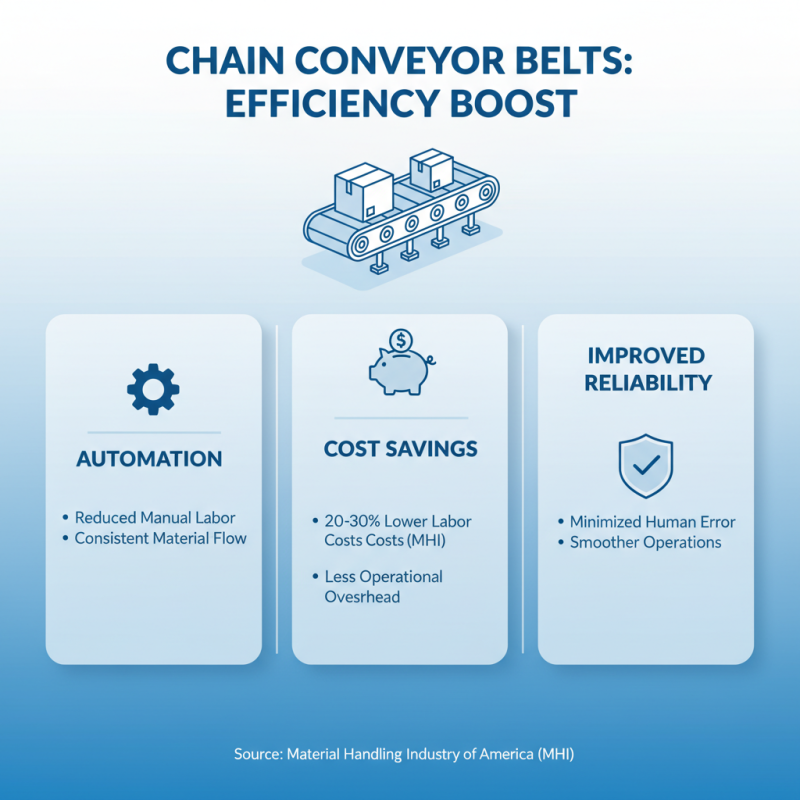
Chain conveyor belts significantly improve operational efficiency in material handling. According to the Material Handling Industry of America, efficient conveyor systems can reduce labor costs by 20-30%. This is due to the automated processes they enable. With fewer manual interventions, the risk of errors diminishes, contributing to smoother operations.
However, the design of chain conveyors isn't without challenges. Some systems experience issues like wear and tear, which can lead to costly downtimes. A report from the Conveyor Equipment Manufacturers Association highlights that maintenance can account for up to 15% of operational costs. Engineers need to focus on durability to mitigate these expenses effectively.
Investing in high-quality materials can offer better longevity. Nevertheless, selecting the right components requires careful consideration. It's essential to balance cost and performance. Too often, companies compromise on quality, aiming for short-term savings. Ultimately, this leads to greater long-term expenses, illustrating a common pitfall in conveyor system management.
Durability and Load Capacity of Chain Conveyor Components
Chain conveyor belts are essential for efficient material handling in numerous industries. Their durability and load capacity play a significant role in their effectiveness. Many components contribute to the overall strength of these systems. For instance, high-quality materials in the chain links increase longevity under heavy loads. When designed well, these components resist wear and tear, prolonging system life.
However, not all chain conveyor systems are created equal. Regular maintenance is crucial to ensure optimal performance. Neglecting component checks can lead to unexpected downtime. Keep an eye on wear patterns, especially in high-load areas. This can prevent larger issues later on.
Tips: Consider the weight distribution across the conveyor. An uneven load can strain specific components, reducing overall efficiency. It’s also wise to conduct periodic inspections. A small issue today can become a significant problem tomorrow. Remember, investing time in maintenance pays off in the long run.
Safety Features and Industry Standards for Chain Conveyor Belts
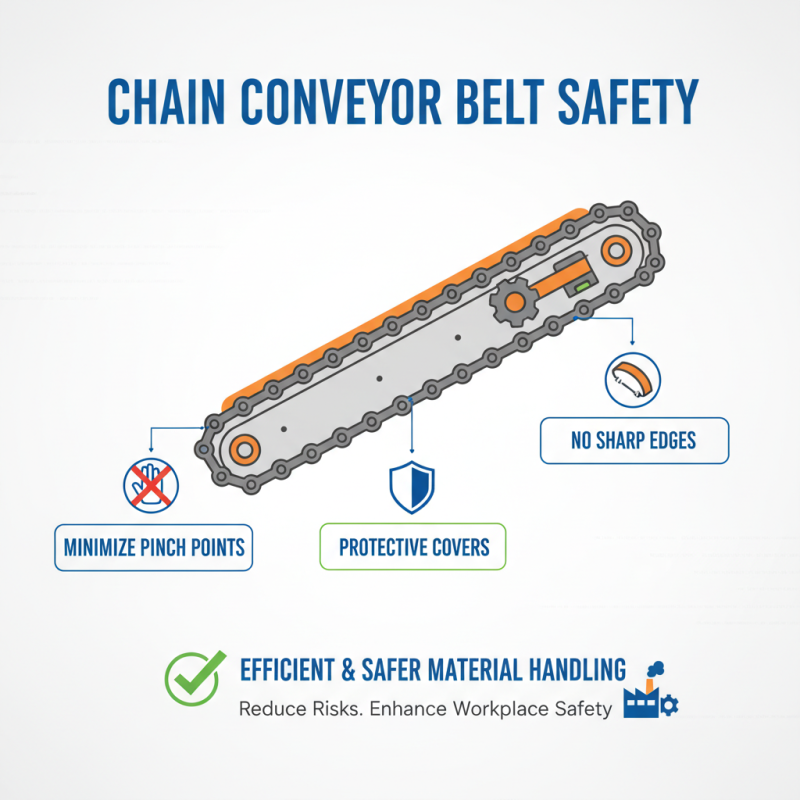
Chain conveyor belts play a crucial role in efficient material handling. However, safety features are vital to their operation. Many industries face risks when using these systems. A well-designed chain conveyor belt minimizes hazards such as pinch points and sharp edges. Protective covers can shield operators from moving parts, ensuring safer work environments.
Moreover, following industry standards, like CE and ISO, is essential. These benchmarks guide the safe design and use of conveyor belts. Compliance not only promotes safety but also boosts operational efficiency. Regular inspections are necessary to evaluate wear and tear. This can reveal potential issues before they become dangerous. Ignoring these checks may lead to accidents, resulting in costly downtime.
Workers must also be trained on safe practices when operating chain conveyor belts. Awareness of potential dangers reduces the chance of injuries. Sadly, some employees overlook safety protocols. This negligence can lead to serious incidents. Continuous training and open communication about safety can improve operational reliability. Investing time in these areas can result in a safer, more efficient workplace.
Customization Options for Chain Conveyor Systems in Various Industries
Customization plays a crucial role in chain conveyor systems. Various industries have unique needs. The flexibility of design enables manufacturers to create tailored solutions. A report by Grand View Research indicates that the global conveyor systems market is expected to reach $9.2 billion by 2025. This growth underscores the importance of customization in meeting specific operational demands.
In food processing, for example, chain conveyors must comply with hygiene standards. The use of stainless steel and easy-to-clean designs is vital. Meanwhile, in automotive industries, robust constructions are essential. Adapting chain conveyors for different loads and speeds can enhance efficiency. Some facilities struggle to achieve this balance. They may overlook the need for variable speed options, leading to inefficiencies.
Customization options also include modular designs. These allow for easy integration and scalability. However, not all companies utilize this feature effectively. A survey by the Material Handling Industry revealed that 30% of businesses rely on outdated systems. This could hinder productivity and overall effectiveness. Addressing these gaps is essential for future growth.
Top Features of Chain Conveyor Belt for Efficient Material Handling
| Feature |
Description |
Industries |
| Durability |
Designed to withstand harsh environments and heavy loads. |
Manufacturing, Mining |
| Customization |
Flexible design options including size, material, and configuration. |
Food Processing, Automotive |
| Efficiency |
Optimized for smooth operations to minimize downtime. |
Logistics, Warehousing |
| Maintenance |
Easy to maintain and replace parts without extensive downtime. |
Construction, Pharmaceuticals |
| Performance |
High load capacity and reliable performance across various applications. |
Textiles, Electronics |