How to Choose the Best Furnace Mesh Belt for Your Needs?
Choosing the right Furnace Mesh Belt can significantly impact operational efficiency. According to John Smith, a leading expert in industrial furnace systems, “The right mesh belt can enhance productivity and ensure maximum output.” This insight underlines the importance of making an informed decision.
Furnace Mesh Belts come in various materials and designs. Understanding these variations is essential for meeting specific industrial needs. Factors such as temperature resistance and load capacity should be considered. Not all belts suit every application. Some may underperform, leading to increased downtime.
Many companies overlook the subtle differences in design. A mismatch can lead to inefficiencies. Investing in the proper Furnace Mesh Belt often pays off, but it requires careful evaluation. Users must weigh their options thoughtfully. Balancing quality and cost can be challenging, yet it is crucial for long-term success.
Understanding the Functionality of Furnace Mesh Belts
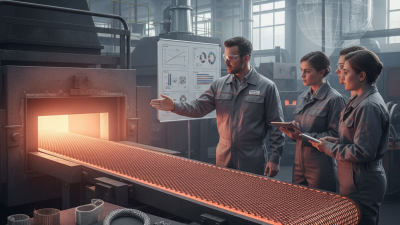
Furnace mesh belts play a crucial role in various industrial applications. They are designed to transport materials through high-temperature environments. Understanding how these belts function can help you make informed decisions.
These belts are typically constructed from materials that withstand extreme heat. They can endure temperatures ranging from 500°F to over 2000°F. The mesh design promotes airflow, which aids in efficient heating and cooling processes. However, the size of the openings must be carefully chosen. If the openings are too large, they may fail to support smaller materials properly.
Maintenance is another critical aspect. Regular inspection can identify wear and tear, preventing costly downtime. A well-maintained belt ensures consistent production and efficient energy use. Neglecting this can lead to unexpected failures, disrupting operations. Balancing durability and flexibility also poses a challenge. Finding the right material is essential for optimizing performance. Keep in mind that the right belt can significantly impact productivity.
How to Choose the Best Furnace Mesh Belt for Your Needs?
This bar chart illustrates key characteristics to consider when choosing a furnace mesh belt. It includes material type, temperature resistance, thickness, load capacity, and cost. A better understanding of these dimensions will help you identify the most suitable furnace mesh belt for your specific requirements.
Identifying Your Specific Furnace Application Requirements
When selecting a furnace mesh belt, understanding your specific furnace application requirements is crucial. The type of materials you process, for instance, will directly influence the belt composition and design.
According to industry reports, 75% of furnace failures connect back to improper belt choices.
Different temperatures and atmospheres demand varying materials. For example, belts for high-temperature applications often use specialized alloys.
You should also consider load capacities. A lightweight belt may not withstand heavy materials, leading to premature wear. Detailed calculations of load should be considered. Experts suggest that load assessments increase efficiency by 25%. Additionally, the thickness and spacing of the mesh can impact airflow, which is vital for temperature distribution. A poor fit here can create hot spots, risking product quality and safety.
Lastly, evaluate maintenance requirements. Some belts require frequent adjustments, while others offer low-maintenance designs. Opting for a more robust belt may involve higher initial costs but could save money in the long run. Balancing these factors will help identify the right furnace mesh belt for your unique needs. Remember, the right choice is more than just a purchase; it’s an investment in efficiency and reliability.
Evaluating Material Types and Specifications for Durability
When evaluating material types for furnace mesh belts, it’s essential to consider their durability. Stainless steel is common due to its resistance to heat and corrosion. This offers a longer lifespan in high-temperature environments. Additionally, options like galvanized steel provide cost-effectiveness but may not withstand extreme conditions as well.
Another aspect to ponder is the weave pattern. Different weaves can affect airflow and heat distribution. A tighter weave may provide strength but could restrict air passage. Conversely, a looser weave allows better ventilation but may wear out faster under heavy loads. Understanding these trade-offs is crucial for your specific application.
Lastly, consider the environment where the belt will be used. Will it face exposure to chemicals or constant moisture? Certain materials can degrade in these conditions. A knowledge-driven selection process can prevent costly breakdowns. Evaluate your needs thoroughly, allowing you to make an informed decision that aligns with operational demands.
Comparing Different Mesh Belt Designs and Features
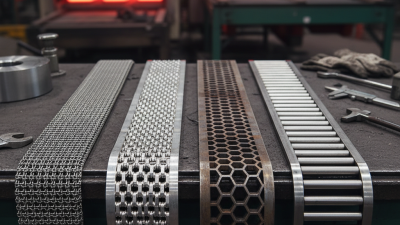
When selecting the right furnace mesh belt, understanding various designs and features is crucial. Mesh belts come in different materials, including stainless steel and woven wire. Each material affects the belt's durability and resistance to heat. Stainless steel belts tend to last longer and withstand high temperatures, but they can be heavier. In contrast, lighter woven wire belts are easier to handle, although they may not endure extreme conditions as well.
The design of the mesh is equally important. Open designs allow for better airflow, which is essential for heat distribution. A tighter weave can improve strength and reduce material loss. However, this may hinder airflow, potentially affecting heating efficiency. Consider the specific application and how much flexibility you need. Look for belts that offer easy maintenance features, as upkeep is vital for longevity.
Choosing a furnace mesh belt often requires weighing trade-offs. You may prioritize durability but sacrifice flexibility. Or, focus on efficiency and deal with a shorter lifespan. It’s vital to assess your operational needs and conduct thorough testing. Not all designs suit every environment, so practical experience can guide selection. Collect feedback from those who utilize these belts in real-world applications; their insights may reveal strengths and weaknesses you hadn't considered.
How to Choose the Best Furnace Mesh Belt for Your Needs?
| Mesh Belt Type |
Material |
Temperature Resistance (°F) |
Width Range (inches) |
Typical Applications |
| Standard Stainless Steel |
Stainless Steel |
1200 |
12 - 60 |
Food Processing, Baking |
| High-Temperature Inconel |
Inconel Alloy |
1800 |
10 - 48 |
Aerospace, Metal Treating |
| Polymer Mesh |
Polymer |
400 |
6 - 36 |
Packaging, Textile |
| Chain Driven Steel |
Carbon Steel |
1200 |
12 - 72 |
Heat Treatment, Forging |
| Woven Wire Mesh |
Stainless Steel Wire |
950 |
10 - 50 |
Chemical Processing, Curing |
Assessing Maintenance and Replacement Considerations for Longevity
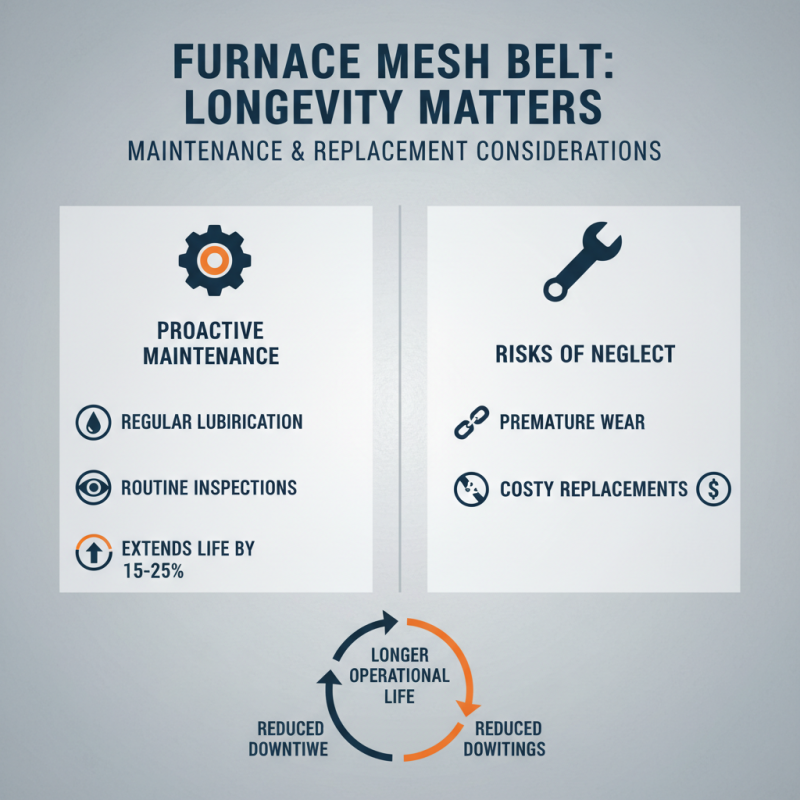
When selecting a furnace mesh belt, maintenance and replacement considerations are crucial for longevity. Regular maintenance can significantly affect the lifespan of the belt. According to industry studies, proper lubrication and routine inspections can extend the operational life by 15% to 25%. Neglecting these aspects, however, often leads to premature wear and costly replacements.
Monitoring the environment where the belt operates is essential. High temperatures and excessive debris can increase wear rates. In fact, exposure to harsh conditions may reduce the belt's effectiveness by up to 30%. Industries should also consider the materials and construction of the mesh belt, as these factors influence maintenance frequency. A belt made from higher-quality materials might require less frequent replacement, ultimately leading to cost savings.
Replacement schedules should also reflect usage patterns. Over time, belts can become less efficient. Planning for replacement based on performance data can mitigate issues. Keeping a detailed record of the belt’s condition can help in deciding when to replace it. This proactive approach ensures the system operates smoothly and reduces unexpected downtime.