How to Choose the Right Material Handling Conveyor Belt?
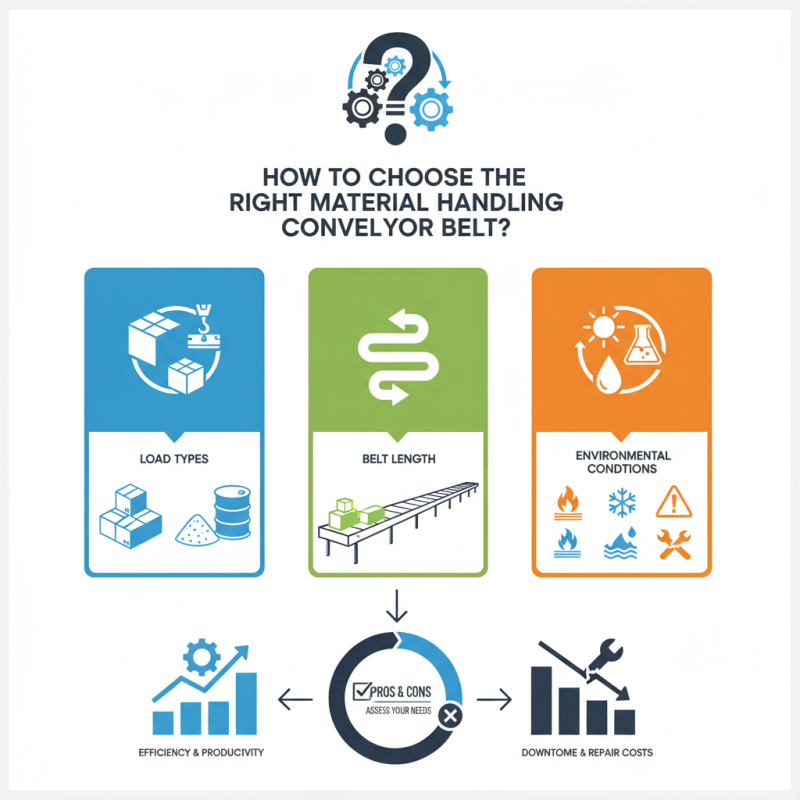
Choosing the right material handling conveyor belt can significantly impact efficiency and productivity. According to industry expert John Smith, "The right conveyor belt can make or break your material flow." This statement highlights the importance of selecting a suitable belt.
Material handling conveyor belts come in various types and materials. Factors like load type, belt length, and environmental conditions must be considered. For example, rubber belts may offer excellent grip, but are they resistant to chemicals?
Each choice comes with its own set of pros and cons. Take time to assess your specific needs. Mistakes in selection can lead to increased downtime and repair costs. Reflect on the specific requirements of your operation for optimal results.
Understanding the Different Types of Conveyor Belt Materials
Choosing the right conveyor belt material is crucial for efficient material handling. Different types of conveyor belt materials offer unique advantages. Here are some common types:
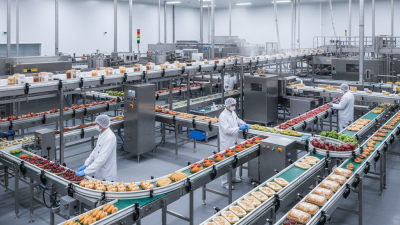
**PVC Belts**: These are durable and resistant to abrasion. They suit light to medium-weight items. Think about food processing, packaging, and assembly lines.
**Rubber Belts**: Known for high durability, rubber belts can handle heavy loads. They offer excellent grip. This makes them ideal for steep inclines and rough materials.
**Metal Belts**: Metal conveyor belts have high tensile strength. They are suited for extreme temperatures and heavy-duty applications. Consider them in the automotive and foundry industries.
Tips: Always analyze the product weight. The wrong choice could lead to premature wear. Evaluate the environment too. Dust, heat, and moisture affect performance.
Another important factor is flexibility. A rigid belt might not fit all applications. You may need a belt that can adapt to various shapes and sizes. Remember, a perfect belt is difficult to find. Adjustments may be necessary over time.
Ensure regular maintenance. Ignoring small issues can lead to bigger problems. Always reflect on the performance of the belt. Simple tweaks can enhance overall efficiency significantly.
Evaluating Load Capacity and Weight Requirements for Conveyor Belts
When selecting a conveyor belt, evaluating load capacity is crucial. Each type of belt supports different weights. For example, a lightweight belt may suffice for simple tasks. However, heavier operations need stronger belts. Understand the maximum weight your system will encounter. This knowledge helps prevent damage and failures.
Consider weight distribution too. Are loads concentrated in one spot, or are they evenly spread? Uneven weight can stress certain areas of a belt. A sudden overload can lead to wear and tears. Frequent wear might mean a review of your choice. It’s wise to think about future loads as well. You might need to increase capacity later.
Choosing the right materials matters at this stage. The composition affects durability. Some materials wear down quicker than others. Think about the environment too. Extreme temperatures or moisture can impact material lifespan. Reflect on the total cost of ownership. Investing in a suitable conveyor belt now can save money down the road.
How to Choose the Right Material Handling Conveyor Belt?
| Material Type |
Load Capacity (lbs) |
Belt Width (inches) |
Weight Requirement (lbs/ft) |
Environmental Suitability |
| PVC |
500 |
24 |
15 |
Dry, Indoor |
| Rubber |
1000 |
30 |
25 |
Wet, Outdoor |
| Polyurethane |
300 |
18 |
10 |
Chemical Resistance |
| Metal |
1500 |
36 |
40 |
High Heat, Heavy Loads |
Considering Environmental Factors Affecting Conveyor Belt Performance
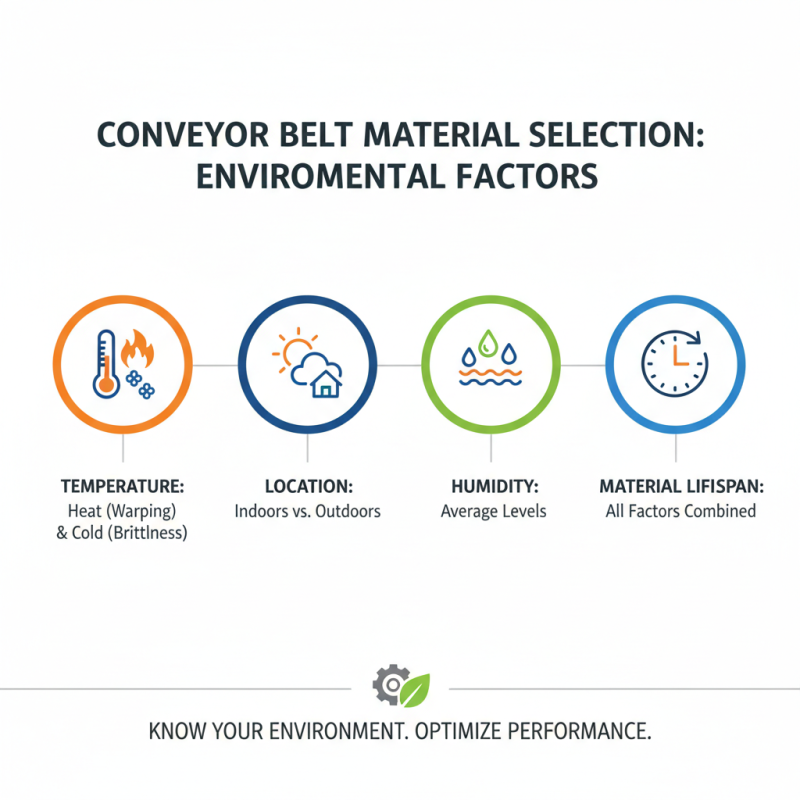
When selecting the right material handling conveyor belt, environmental factors play a crucial role. Temperature variations can significantly impact a belt's performance. For instance, extreme heat may cause some materials to warp, while cold can lead to brittleness. It's vital to know your working environment. Is it indoors or outdoors? What is the average humidity? These elements can dictate the material's lifespan.
Another consideration is the presence of chemicals or abrasives. Certain substances can degrade specific belt materials. It's important to evaluate the potential exposure to such elements. For example, belts in food processing must resist oils and fats, while those in mining operations require resistance to abrasive materials. It's easy to overlook these factors during the selection process, leading to costly replacements.
Additionally, dust and debris can hinder belt function. A clean environment is necessary for optimal performance. However, maintaining cleanliness can be challenging. Dust accumulates quickly, especially in industrial settings. Regular maintenance and cleaning schedules can mitigate these risks. It's a constant balancing act between efficiency and practicality.
Assessing the Impact of Surface Texture and Grip on Material Handling
The surface texture of a conveyor belt plays a crucial role in material handling efficiency. A smooth belt may seem ideal for low-friction materials. However, it can lead to slippage. This is especially problematic in inclined systems. A study by the Conveyor Equipment Manufacturers Association (CEMA) indicates that improper grip can increase product loss by up to 15%. This data highlights the need for careful selection of materials based on surface characteristics.
Grip prevents items from sliding and ensures a consistent flow in operations. Textured belts, for instance, provide more surface area for friction. This can significantly reduce the risk of product misalignment. Research shows that a belt with a grip coefficient above 0.5 can enhance operational efficiency by 25%. Yet, not all textured surfaces are beneficial. Overly aggressive textures can lead to additional wear on both the belt and transported materials.
Evaluating surface texture is not straightforward. It requires understanding the specific application and materials being handled. Various types of materials, such as powders and bulk solids, interact differently with surface textures. A wrong choice could lead to unwanted wear or maintenance issues. Different loading conditions also affect the required grip. Ignoring these factors can result in unintended consequences in productivity.
Determining Maintenance Needs and Durability of Conveyor Belts
When selecting a conveyor belt, understanding its maintenance needs is crucial. Conveyor belts require regular inspections to ensure they function smoothly. This involves checking for wear and tear, fraying edges, and alignment issues. Neglecting these checks can lead to unexpected breakdowns, costing time and money. Belts may seem like a one-time investment, but ongoing maintenance can prolong their lifespan.
Durability is another key factor. Different materials provide varied resistance to abrasion, chemicals, and temperature fluctuations. For instance, rubber belts excel in resistance to heat, while plastic belts often offer lightweight solutions. However, even the most durable materials have limits. Overloading the conveyor or exposing it to harsh conditions can accelerate degradation. Users should reflect on how their specific operational environments affect these choices.
Ultimately, the right conveyor belt should align with both operational needs and environmental realities. Knowing when to replace or repair can be challenging. Regular training for staff can mitigate risks. Sometimes, even small oversight in maintenance schedules leads to significant failures down the road. Focus on creating a proactive maintenance culture for the best outcomes.