How to Choose the Right Industrial Oven Belt for Your Bakery Needs?
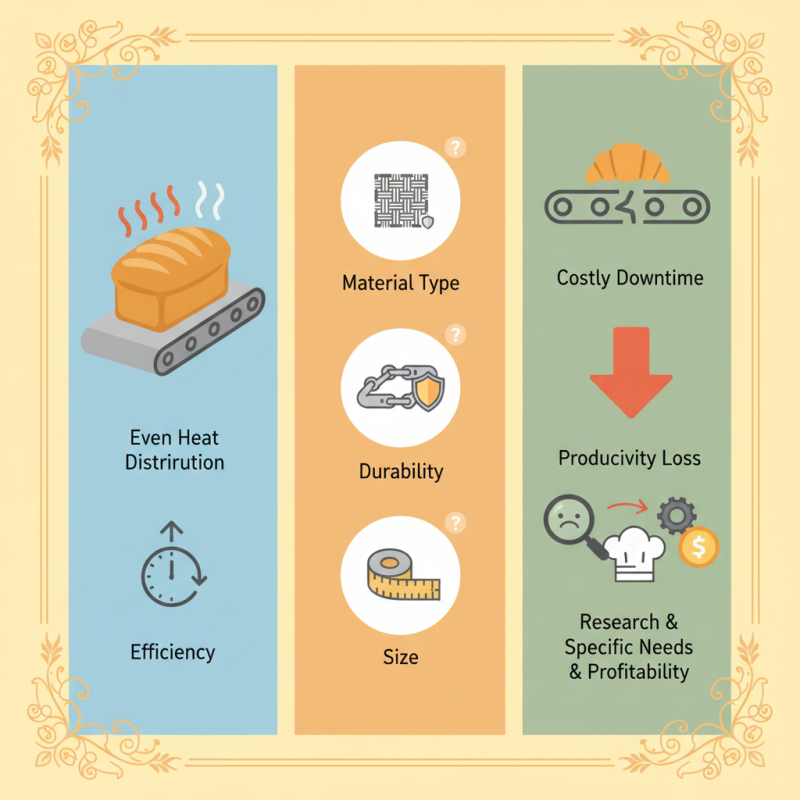
Choosing the right Industrial Oven Belt is crucial for the success of any bakery. As expert Sarah Johnson, a renowned specialist in industrial baking equipment, emphasizes, "The right belt can make or break your baking process." An effective oven belt ensures even heat distribution. This is essential for achieving consistent baking results.
Bakeries often overlook the nuances of selecting an Industrial Oven Belt. Factors like material type, durability, and size can directly impact baking efficiency. With many options available, making the right choice requires careful consideration. Each element affects product quality and oven performance.
Inadequate research and poor choices can lead to costly downtime. Many bakers have faced productivity losses due to the wrong belt specifications. Reflecting on these challenges is vital for improvement. Understanding your specific baking needs can lead to enhanced efficiency and profitability in your operations.
Understanding Different Types of Industrial Oven Belts in Bakeries
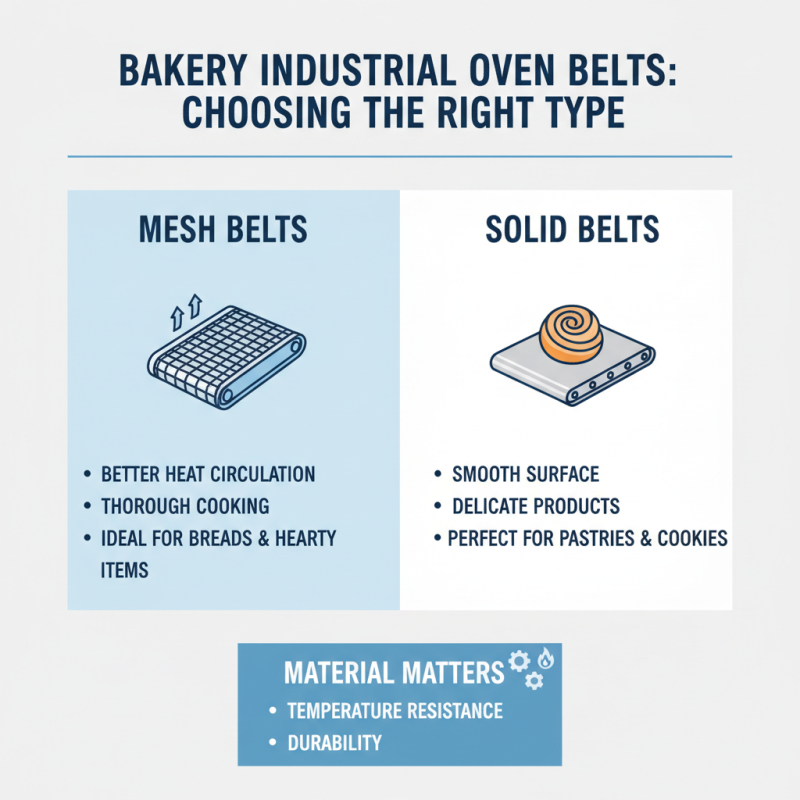
When selecting an industrial oven belt for your bakery, it's essential to understand the various types available. There are mesh belts, which allow for better heat circulation. They work well for items needing thorough cooking. Solid belts, on the other hand, offer a smooth surface that is ideal for pastries and delicate products. Choosing the right material makes a difference; some materials withstand higher temperatures, while others may not be as durable.
Consider the width and length of the belt. A belt that is too narrow may limit your production capacity. If it's too wide, it may not fit your oven properly. They come in different thicknesses too. Thicker belts tend to last longer but can be pricier. Reflecting on your bakery's needs is crucial. Do you prioritize longevity or affordability?
Maintenance plays a big role, as well. A belt that’s hard to clean can harbor bacteria, impacting your products. Regular checks can ensure they operate efficiently. Remember that a well-chosen belt can enhance productivity but requires ongoing consideration. Think about the future needs of your bakery.
Key Factors to Consider When Selecting an Industrial Oven Belt
Choosing the right industrial oven belt is crucial for any bakery. There are many factors to consider. Material type is one of the most important. Different materials offer various levels of durability and heat resistance. Consider how much wear and tear your belt will face in daily use.
Next, think about the size. Measure your oven to find the right fit. An ill-fitting belt can lead to inefficiencies and baking inconsistencies. Pay attention to the thickness as well. A thick belt may be more durable but can affect heat distribution.
Finally, don’t overlook maintenance requirements. Some materials require more cleaning and care than others. A belt that’s easy to maintain can save time and hassle. Reflect on your bakery’s production volume. A high output may demand a belt that can endure more stress. Assessing these factors will lead you to the best choice for your needs.
Industrial Oven Belt Material Comparison for Bakeries
Material Composition and Durability: What You Need to Know
When choosing an industrial oven belt for your bakery, material composition is essential. The right materials can affect heat distribution, longevity, and overall performance. Common options include fiberglass, steel, and Teflon. Each type has its own characteristics. For example, fiberglass offers good insulation but may wear down quickly. Steel is robust but can corrode over time. Teflon is non-stick and easy to clean, making it popular for many bakers.
Durability should also be a key consideration. A belt that frays or tears can halt production suddenly. Regular inspections mean less downtime. However, choosing a durable material can be challenging. Sometimes it leads to unexpected costs. Finding a balance between cost and quality is tricky. It’s not uncommon for bakers to overlook this until it’s too late.
Furthermore, consider temperature resistance. High heat can damage some materials. Make sure the belt can withstand your oven's temperature ranges. Sometimes, bakers select a belt that can't handle these extremes. This oversight can lead to frequent replacements or malfunctions. Regular evaluations of your needs will help you avoid these mistakes.
How to Choose the Right Industrial Oven Belt for Your Bakery Needs?
| Belt Type |
Material Composition |
Temperature Range (°C) |
Durability (hours) |
Maintenance Needs |
| PTFE Coated Fiberglass |
Fiberglass with PTFE coating |
-60 to 260 |
2000+ |
Low |
| Silicone Coated |
Silicone and fiberglass |
-40 to 230 |
1500+ |
Moderate |
| Stainless Steel |
304 or 316 stainless steel |
-200 to 1000 |
5000+ |
Low |
| Nylon Mesh |
Nylon with mesh structure |
-10 to 120 |
1000+ |
High |
| Kevlar |
Kevlar fiber |
-50 to 200 |
3000+ |
Low |
Sizing and Compatibility: Ensuring the Right Fit for Your Equipment
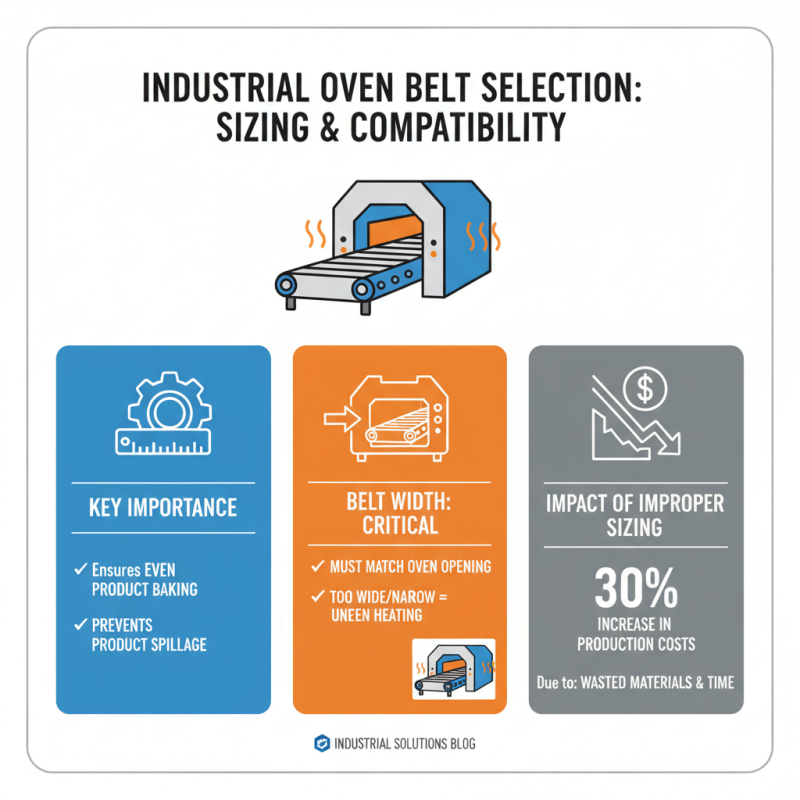
When selecting the right industrial oven belt, sizing and compatibility are critical. A well-fitted belt ensures that products bake evenly. The width of the belt should match the oven's opening. If it’s too wide or too narrow, you might face uneven heating or product spillage. According to industry reports, improper sizing can lead to a 30% increase in production costs due to wasted materials and time.
Check the material of the belt, too. Most bakery applications require heat-resistant materials. They should endure high temperatures without warping. For instance, Teflon-coated belts provide excellent non-stick properties but may not hold up under extreme heat. Regularly inspect your belts for wear and tear. A worn-out belt can affect product quality and increase energy consumption.
**Tip:** Always measure your existing belt before purchasing a new one. A 5-10% variation in size can make a big difference.
**Tip:** Consult with a technician if you’re unsure about compatibility. They can help you avoid costly mistakes.
Being equipped with the right belt can significantly improve efficiency. Yet, many bakers struggle with finding the perfect size. This is an area where attention to detail truly pays off.
Evaluating Cost vs. Performance: Making an Informed Decision
When selecting an industrial oven belt for your bakery, balancing cost and performance is crucial. A quality belt can enhance baking efficiency, ensuring consistent results. Cheaper options may save money upfront, but hidden costs often emerge. Frequent replacements and inefficiencies can drive overall expenses higher over time.
Performance matters significantly in high-demand baking. A durable oven belt resists wear and minimizes downtime. However, these belts can come with a higher price tag. Evaluating materials is essential. Some materials offer better heat retention while others provide easy cleaning. The right choice might not always be the most affordable.
Keep in mind your bakery's specific needs. Do you prioritize speed or reliability? Sometimes, investing a bit more can yield better long-term benefits. Consider energy consumption as well. An efficient belt could reduce your energy bills. Yet, if you choose purely based on cost, you may notice drawbacks later. Balancing these factors wisely leads to a more rational decision for your bakery's future.