How to Choose the Right Woven Wire Mesh for Your Project?
Woven Wire Mesh is a versatile material widely used in various industries, including construction, agriculture, and filtration. According to a report by Grand View Research, the global market for wire mesh is projected to reach USD 8 billion by 2025, demonstrating its significant demand. This growth underscores the importance of choosing the right type for specific applications.
Selecting the appropriate Woven Wire Mesh involves understanding its specifications, including wire diameter, mesh opening size, and material type. For instance, stainless steel meshes offer superior corrosion resistance, making them ideal for harsh environments. In contrast, plastic meshes may suffice for lighter applications.
Yet, with such diverse options, buyers often face challenges. Misjudging the mesh type can lead to structural weaknesses or inefficient filtering. Therefore, having a thorough understanding of project requirements is crucial. Exploring various products empowers users to make informed decisions, reducing risks and improving overall effectiveness.
Understanding Woven Wire Mesh: Types and Applications
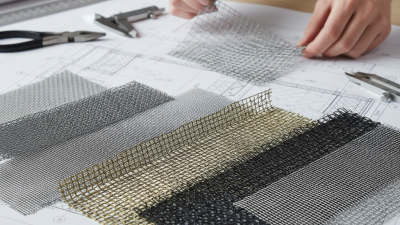
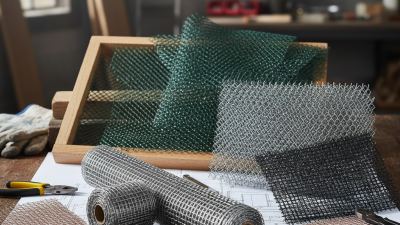
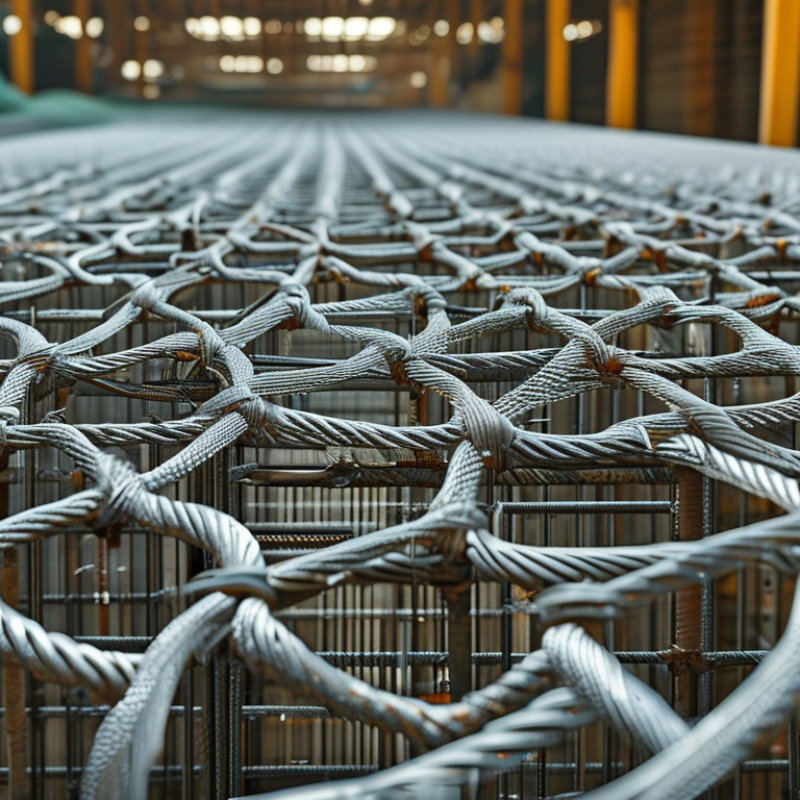
Woven wire mesh is versatile and widely used in various applications. Understanding its types, properties, and uses is essential for selecting the right mesh for your project. Common types include stainless steel, galvanized, and fiberglass. Each offers unique benefits depending on the environment and requirements.
Stainless steel woven wire mesh is durable and corrosion-resistant, making it ideal for outdoor applications. Galvanized options are often used in construction and agriculture due to their cost-effectiveness. Fiberglass mesh, lightweight and rust-proof, is perfect for screens and filtration.
Tips: Always consider the mesh size carefully. A smaller opening provides better filtration but may restrict airflow. Assess the specific environmental conditions, such as exposure to chemicals or moisture, when choosing materials. Regular maintenance can prolong the life of your mesh, revealing another layer of complexity in your selection process.
Key Factors to Consider When Choosing Woven Wire Mesh
When choosing woven wire mesh, several key factors come into play. The material type is crucial. Stainless steel offers strength and corrosion resistance, while galvanized options are more cost-effective but less durable over time. Your project’s environment affects this choice. Consider the presence of moisture or chemicals that could compromise the mesh’s integrity.
The mesh opening size is another significant aspect to evaluate. Smaller openings provide better filtration but can limit airflow while larger openings allow for better ventilation but may sacrifice filtration efficiency. It’s important to balance these needs based on application. Remember, the mesh’s wire diameter impacts both strength and flexibility. Thicker wires can endure heavy loads but may be challenging to work with.
Lastly, consider the project’s specific requirements. Are there aesthetic concerns? Different weaves can add visual appeal. How crucial is the mesh's lifespan? Sometimes, a cheaper option may require frequent replacements, leading to higher costs. Evaluating long-term value is vital. Each decision influences the final outcome and can lead to reflections on your project’s overall success.
Evaluating Material Options for Durability and Performance
When selecting woven wire mesh, considering material options is crucial for durability and performance. Stainless steel is a popular choice. It offers resistance to corrosion and high temperatures. According to a report by the International Wire Mesh Association, stainless steel can last up to 50 years under standard conditions. This makes it suitable for both indoor and outdoor applications.
Another option to evaluate is galvanized steel. It is coated with zinc, enhancing its durability. This type of mesh can withstand harsh environmental conditions. However, it may have lower performance in corrosive environments compared to stainless steel. Analysts indicate that galvanized mesh can deteriorate within 10 years if exposed to constant moisture and salt. This raises questions about its long-term reliability.
Plastic meshes are also worth considering. They are lightweight and resistant to chemicals. However, they may not provide the same load-bearing capacity as metal alternatives. A recent study showed that plastic meshes lose structural integrity faster than expected when exposed to UV light. Understanding the performance of these materials helps in making informed decisions for any project.
How to Choose the Right Woven Wire Mesh for Your Project? - Evaluating Material Options for Durability and Performance
| Mesh Type |
Material |
Wire Diameter |
Opening Size |
Durability Rating |
Typical Applications |
| plain weave |
Stainless Steel |
0.5 mm |
1 mm |
High |
Food Processing, Chemical |
| twilled weave |
Carbon Steel |
1 mm |
2 mm |
Medium |
Filtration, Construction |
| Dutch weave |
Bronze |
0.75 mm |
0.5 mm |
High |
Oil and Gas, Water Treatment |
| woven mesh |
Polyester |
0.3 mm |
3 mm |
Low |
Screening, Decorative Uses |
| expanded metal |
Aluminum |
0.8 mm |
4 mm |
Medium |
Construction, Security Grills |
Determining Mesh Size and Opening Specifications
Choosing the right woven wire mesh involves understanding mesh size and opening specifications. This ensures the mesh fits your project's needs effectively. Mesh size refers to the number of openings per inch. Smaller numbers mean larger openings. Select a size based on the material you're filtering or supporting.
When determining opening specifications, consider both the diameter of the wire and the size of the openings. These factors influence strength and flexibility. For example, a thicker wire may offer more durability but could limit airflow or visibility. Pay attention to project requirements, whether it's for construction or filtration.
Tips: Always assess the environment where the mesh will be used. Corrosive substances or physical stress may impact your choice. Experiment with different sizes to see which fits your specific needs best. Take note of failures in previous projects; analyze what didn't work. This reflection can guide you toward better decisions in future selections.
How to Choose the Right Woven Wire Mesh for Your Project?
Assessing Cost-Effectiveness and Procurement Sources
When selecting woven wire mesh for your project, understanding cost-effectiveness is essential. According to the Wire Mesh Manufacturers Association, a well-defined budget is crucial, as project expenses can escalate due to high-quality mesh options. Prices can vary significantly based on materials, weave patterns, and application. Stainless steel options, though initially pricier, offer durability that can reduce long-term costs. Meanwhile, lower-cost alternatives might require frequent replacements.
Procurement sources also play a vital role. Studies indicate that local suppliers often provide faster service. Moreover, engaging with multiple suppliers enables better price negotiations. It's important to consider logistics and delivery times. Delays can disrupt project timelines. Research suggests that customer reviews and industry certifications can help evaluate suppliers' reliability. Make sure to ask for references or case studies. This highlights their experience in your specific application, enhancing your trust in their products.
Choosing the right woven wire mesh is not only about pricing but also about assessing the value it brings to the project. Reflecting on past choices can provide insights. Were cheaper options worth the effort spent on replacements? An effective approach balances quality, price, and supplier reliability.