10 Essential Tips for Choosing the Right Steel Wire Mesh for Your Project?
Choosing the right Steel Wire Mesh for your project can significantly impact your outcomes. Industry expert Dr. Robert Simmons emphasizes, “Selecting the right mesh is crucial for structural integrity.” This insight highlights the importance of informed decisions in the wire mesh selection process.
Steel Wire Mesh comes in various types, each suited to different applications. Enhancements in technology have led to improved materials and designs. However, many individuals still underestimate the complexity involved. It’s essential to understand that not all steel wires are created equal. You may encounter challenges if you rush through the selection process.
Consider the specifics of your project. Is it for construction, landscaping, or industrial use? Each sector requires distinct qualities in mesh. For example, corrosion resistance is vital in outdoor projects. Analyze your needs thoroughly before making a decision. Delve into the specifications and potential applications. Selectivity in your choice can lead to better durability and performance.

Understanding the Different Types of Steel Wire Mesh and Their Applications
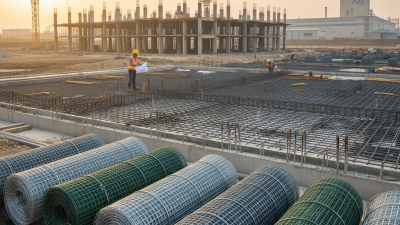
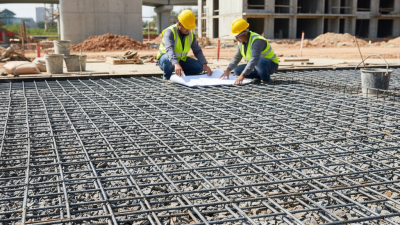
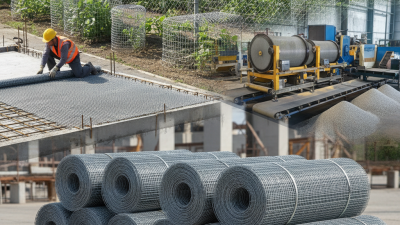
When selecting steel wire mesh, understanding its various types is crucial. Wire mesh typically comes in several forms, each with unique applications. For instance, welded wire mesh is noted for its strength and is commonly used in construction and agriculture. It is great for reinforcing concrete structures. In contrast, hexagonal wire mesh, often used in fencing and poultry enclosures, provides a flexible solution with a distinctive shape.
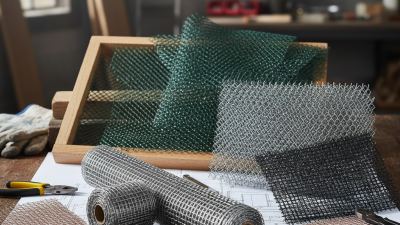
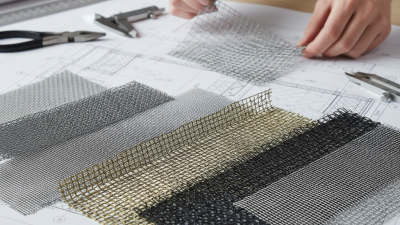
Another important type is stainless steel wire mesh. This one excels in environments prone to corrosion. It is often used in industrial applications, where hygiene is vital. For filtration processes, woven wire mesh provides reliable support. However, using the wrong type can lead to issues. For example, using welded mesh in corrosive areas might compromise durability. Sometimes, the right decision reveals itself only through trial and error. Be mindful of the mesh's gauge, as it impacts its weight and strength. Balancing your project's needs with the appropriate mesh type can be challenging, yet it's necessary for optimal results.
Steel Wire Mesh Applications
Assessing Wire Diameter and Open Area for Optimal Strength and Support
Choosing the right steel wire mesh for your project is crucial. Wire diameter and open area significantly impact strength and support. A thicker wire can provide better strength. However, it may also increase the weight. If you need flexibility, consider a smaller diameter. But remember, this can reduce load-bearing capability.
The open area is just as vital. It determines airflow and drainage. A mesh with too little open area may trap moisture. This can lead to rust and weaken the structure over time. Think about your project's specific needs. For concrete reinforcement, a balance between wire diameter and open area is key.
Reflect on your choices before deciding. Measuring the right mesh size can be daunting. You may find that a mesh that works for one project fails another. Don’t let one failure discourage you. Testing different combinations can lead to better outcomes. Understanding how wire diameter and open area contribute to overall performance is essential. The right mix strengthens your project and ensures long-term durability.
Evaluating Corrosion Resistance and Coating Options for Longevity
When selecting steel wire mesh, evaluating corrosion resistance is crucial.
Corrosion can weaken the mesh over time, especially in harsh environments. Many projects require durable materials that can withstand moisture, chemicals, and even salt. Consider using stainless steel mesh, which offers excellent corrosion resistance.
However, not all stainless steel is created equal. Some grades have better resistance to specific environments than others. Look for options that suit your project's unique conditions. Simple tests can reveal how well a material holds up under stress. Opt for projects in marine settings to prioritize corrosion-resistant features.
Coating options also enhance longevity. Polyester and galvanization can provide additional protection. Coatings can act as barriers against oxidation. Yet, they may wear off, especially in areas with heavy usage. Think about how long the mesh will be exposed. Regular maintenance is vital to ensure the coatings remain intact.
Remember that different applications may demand different specifications. For instance, outdoor use often requires increased durability. Take time to reflect on these factors before making a decision.
Calculating Load-Bearing Capacity Based on Project Requirements
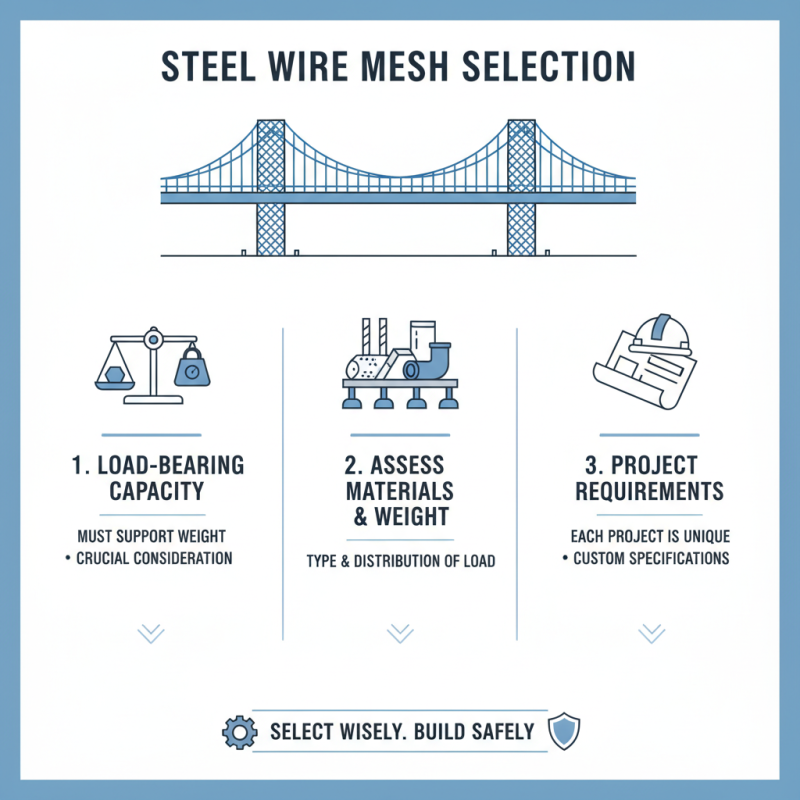
When selecting steel wire mesh, it's crucial to consider load-bearing capacity. The mesh must support the weight it will bear. This involves assessing the materials that will be used, their weight, and distribution. Each project has unique demands.
Tip: Assess the overall design before choosing a mesh. Does the layout influence load distribution? Understand how loads interact with the mesh. You might need calculations or some past project references. They can guide your decisions.
Another point to ponder is the spacing of the wires. Wider spacing may save materials, but it can lead to weaknesses. Consider the environment as well. Is it wet or dry? Different conditions affect durability.
Tip: Always account for potential overloading. Future changes might demand higher capacity. Unfortunately, many overlook this detail. Be thorough in your evaluations. Proper calculations lay the groundwork for success.
Considering Industry Standards and Compliance for Safety and Performance
When selecting steel wire mesh for a project, compliance with industry standards is crucial. The American Society for Testing and Materials (ASTM) sets specifications that guarantee safety and performance. For instance, ASTM A1064 outlines the requirements for steel wire and welded wire reinforcement. Following these guidelines helps ensure the product can withstand necessary loads and conditions.
Fabrication quality is equally important. The International Organization for Standardization (ISO) provides standards that highlight best practices in manufacturing. Mesh that does not meet these standards may compromise structural integrity. In a recent report, 45% of project failures were linked to inadequate material compliance. This is a stark reminder for industry professionals to prioritize thorough inspections and quality checks.
The environment also impacts material choice. Exposure to corrosive substances can weaken steel wire mesh significantly over time. Consideration of the installation location is essential. Factors like humidity and chemical exposure should drive material selection. A mismatched choice can have dire consequences. Balancing industry standards and environmental factors ensures safety while maintaining performance quality.
10 Essential Tips for Choosing the Right Steel Wire Mesh for Your Project
| Tip No. |
Tip Description |
Industry Standards |
Compliance Considerations |
| 1 |
Determine the Application |
ASTM A185 |
Assess environmental conditions |
| 2 |
Select the Right Wire Diameter |
ISO 4766 |
Consider load-bearing needs |
| 3 |
Assess Mesh Opening Size |
AASHTO M232 |
Match specifications with required performance |
| 4 |
Consider Corrosion Resistance |
ASTM A641 |
Evaluate environmental exposure |
| 5 |
Choose Appropriate Coating Options |
ASTM A653 |
Identify project-specific requirements |
| 6 |
Check Load Ratings |
ISO 15630 |
Consult structural engineering guidelines |
| 7 |
Evaluate Mesh Strength |
BS EN 10223 |
Ensure it meets safety factors |
| 8 |
Consider Installation Method |
ASTM C150 |
Align with construction practices |
| 9 |
Request Samples for Testing |
ASTM D1308 |
Conduct real-world performance evaluations |
| 10 |
Review Supplier Certifications |
ISO 9001 |
Ensure quality assurance compliance |