10 Essential Tips for Maintaining Your Industrial Oven Belt
Maintaining an Industrial Oven Belt is crucial for efficiency and safety in manufacturing. John Smith, a leading expert in industrial machinery, once said, "A well-maintained oven belt can extend the life of your equipment significantly." This wisdom highlights the importance of proper care for these essential components.
Industrial Oven Belts endure intense heat and heavy loads. Over time, wear and tear can compromise their performance. Ensuring regular inspections and timely replacements can prevent costly downtimes. Ignoring these needs may lead to unexpected breakdowns and reduce productivity.
Many companies overlook basic maintenance tasks. Cleaning residue and checking for damages should be routine. Small lapses can spiral into larger issues. Understanding the intricacies of your Industrial Oven Belt can help avoid these pitfalls. Taking proactive steps is always more efficient than reactive measures.
Understanding the Role of Industrial Oven Belts in Manufacturing Processes
Industrial oven belts play a critical role in various manufacturing processes. They are responsible for transporting products through heat zones, ensuring uniform cooking or drying. A well-functioning belt influences product quality and production efficiency. If a belt malfunctions, it can cause delays and increased costs.
Understanding the specific properties of your oven belt is essential. Different materials are suitable for various applications. Some belts handle high temperatures better than others. Regular inspections are necessary. Look for signs of wear and tear. Small issues can create significant problems later.
Industrial oven belts require proper maintenance to function optimally. Cleaning procedures should be established to prevent buildup of materials. Inspect alignment periodically to avoid uneven wear. Ignoring these aspects can lead to costly repairs. Reflecting on the belt's performance can highlight areas needing improvement. Regular adjustments and updates are part of the process. Keeping a log of maintenance can assist in tracking issues over time.
Key Indicators of a Well-Maintained Industrial Oven Belt
A well-maintained industrial oven belt is critical for operational efficiency. Key indicators include temperature consistency, belt alignment, and signs of wear. According to industry reports, improper temperature regulation can increase energy costs by up to 20%. Maintaining uniform heat across the belt enhances product quality and decreases processing time.
Regular inspections are essential for identifying issues early. A belt showing signs of fraying or uneven wear should be replaced. Visual checks can reveal alignment problems. Belts that are not properly aligned may lead to uneven heating, compromising the baking process. In the long run, this not only affects product quality but also reduces the oven's lifespan.
Understanding these indicators helps maintain optimal performance. Industry studies show that a proactive maintenance approach can extend belt life by up to 50%. However, many facilities overlook this aspect, leading to unplanned downtimes. Regular training for the maintenance team can enhance their ability to spot these telltale signs, preventing costly interruptions and ensuring operational reliability.
10 Essential Tips for Maintaining Your Industrial Oven Belt
This chart illustrates the importance rating of various maintenance tips for industrial oven belts. Regular inspections and cleaning procedures are rated the highest, highlighting their critical role in ensuring optimal oven performance and longevity.
Step-by-Step Cleaning Process for Industrial Oven Belts
Cleaning industrial oven belts is crucial for optimal efficiency. A dirty belt can lead to contamination and uneven cooking. Regular maintenance is key to ensuring long-lasting performance.
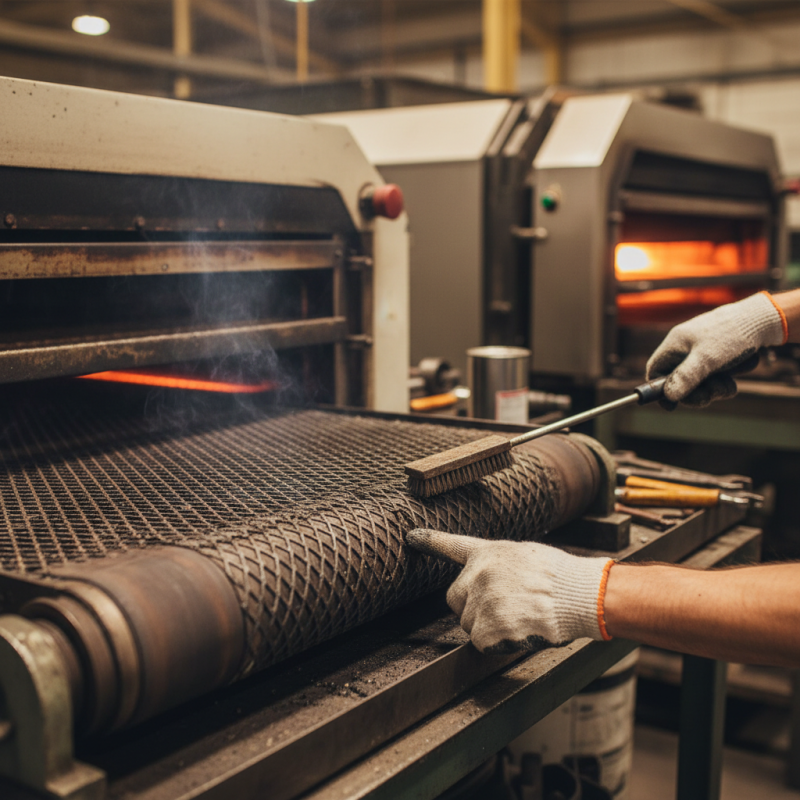
Start by removing the belt from the oven. This may require assistance due to its weight. Lay the belt flat on a clean surface. Use a nylon brush to scrub off any food residue. Focus particularly on crevices where debris builds up. After scrubbing, rinse the belt with warm water. Pay attention to areas that seem especially grimy.
Next, prepare a solution of mild detergent and warm water. Soak the belt for about 15-20 minutes. This helps to loosen stubborn dirt. Once the time is up, use the brush again for a thorough clean. Rinse the belt with clean water and dry it completely before reinstalling. Checking for wear or damage during this process can save future headaches. Without routine checks, problems can go unnoticed, leading to costly repairs. Regular cleaning ensures your oven belt works effectively, maintaining a food-safe environment.
10 Essential Tips for Maintaining Your Industrial Oven Belt - Step-by-Step Cleaning Process for Industrial Oven Belts
| Tip Number |
Maintenance Tip |
Frequency |
Description |
| 1 |
Regular Inspection |
Weekly |
Check for wear and tear or damage to the oven belt. |
| 2 |
Clean Thoroughly |
Monthly |
Remove debris and residue using suitable cleaning agents. |
| 3 |
Adjust Tension |
Monthly |
Ensure correct tension to prevent slippage or damage. |
| 4 |
Lubrication |
Bi-Annually |
Lubricate moving parts as per manufacturer recommendations. |
| 5 |
Check Alignment |
Quarterly |
Verify that the oven belt is correctly aligned to avoid premature wear. |
| 6 |
Replace Worn Belts |
As Needed |
Monitor signs of wear; replace belts when necessary to ensure optimal performance. |
| 7 |
Monitor Temperature |
Continuous |
Keep track of the internal temperature to avoid overheating. |
| 8 |
Check for Foreign Objects |
Weekly |
Ensure no foreign objects obstruct the belt operation. |
| 9 |
Use Appropriate Cleaning Supplies |
Monthly |
Select cleaning agents that are safe for belt materials. |
| 10 |
Document Maintenance Tasks |
Ongoing |
Keep records of maintenance activities for future reference. |
Monitoring Temperature and Load Conditions for Optimal Belt Longevity
Monitoring the temperature and load conditions of your industrial oven belt is crucial.
High temperatures can warp the belt material, leading to premature wear. Check the temperature regularly using calibrated tools.
Keep a log of readings to identify patterns or anomalies. Excessive heat may indicate issues with the heating elements or insulation.
Load conditions also play a significant role in belt longevity. Overloading can cause stretching and misalignment.
Regularly assess the load being placed on the belt. Ensure it is within recommended limits. A visual inspection can reveal signs of strain or damage.
Even minor irregularities should not be ignored. Address them promptly to prevent further complications.
Inconsistent monitoring can lead to unexpected breakdowns. Operators often underestimate the impact of
temperature fluctuations on belt performance. Create a routine inspection schedule.
This routine should include both temperature checks and load assessments. While it may seem tedious,
consistency is key. A little effort can extend the lifespan of your oven belt significantly.
Routine Inspection and Replacement Schedule for Oven Belts
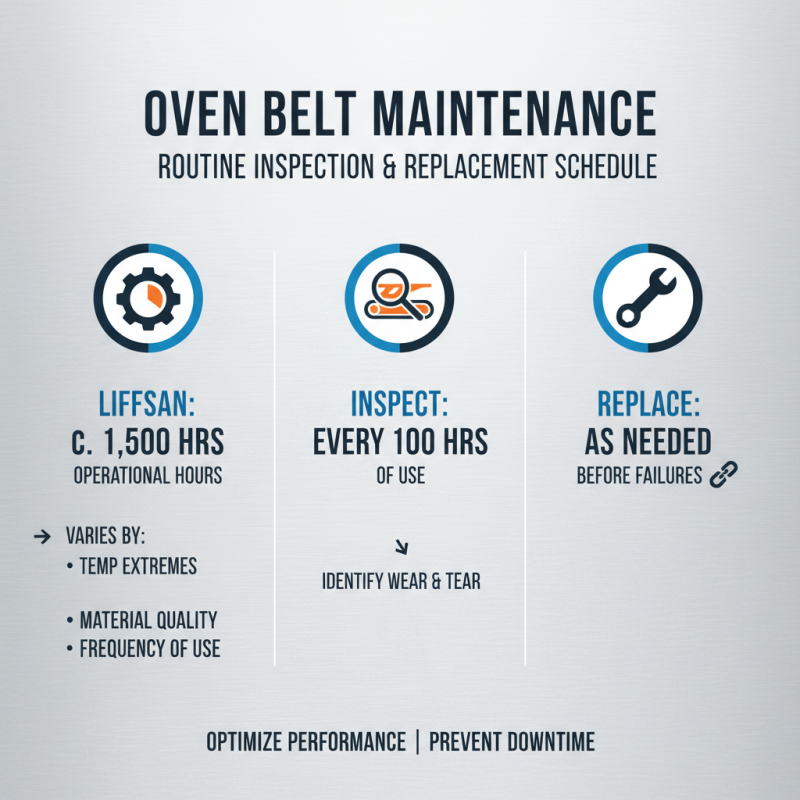
Maintaining an industrial oven belt requires a solid routine inspection and replacement schedule. The average lifespan of an oven belt is around 1,500 operational hours, but this can vary. Factors such as temperature extremes, material quality, and frequency of use greatly influence durability. Regular checks every 100 hours of use are recommended. This helps identify wear and tear before major failures occur.
During inspections, pay attention to signs like fraying, cracking, or unusual noises. Such indicators often signal that replacement is imminent. Industry data shows that 40% of unplanned downtime in baking operations is linked to belt failures. Staying proactive can reduce these chances significantly. In some cases, a belt can deteriorate without visible signs. Monitoring your production environment can help catch issues early, ensuring a seamless operation.
It's crucial to establish a replacement timeline based on these inspections. Even with a reliable belt, unexpected factors can lead to premature failure. A comprehensive record of usage can aid in planning for replacements. Staying informed on industry standards and best practices is essential for efficient maintenance. Emphasizing routine evaluations will ultimately save costs and minimize interruptions.