10 Essential Tips for Maintaining Your Oven Conveyor Belt
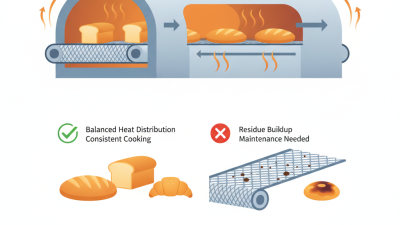
In the world of food production, maintaining an Oven Conveyor Belt is crucial for efficiency. Expert John Smith, a veteran in industrial kitchen management, once said, “A well-maintained oven conveyor belt is key to consistent cooking results.” This statement highlights the importance of regular care. Neglecting this equipment can lead to uneven cooking, wasted energy, and increased costs.
Each component of the oven conveyor belt needs attention. For instance, keeping the belt clean prevents food buildup, which can impact performance and hygiene. Regularly inspecting drive motors, tension systems, and alignment can avoid costly breakdowns. However, many operators overlook these details, leading to frustrating operational issues.
In this fast-paced industry, taking shortcuts can be tempting. But reflecting on your maintenance practices can reveal areas for improvement. By integrating these ten essential tips, you can enhance the lifespan and efficiency of your Oven Conveyor Belt, ensuring optimal performance for your kitchen operations.
Understanding the Importance of Oven Conveyor Belt Maintenance
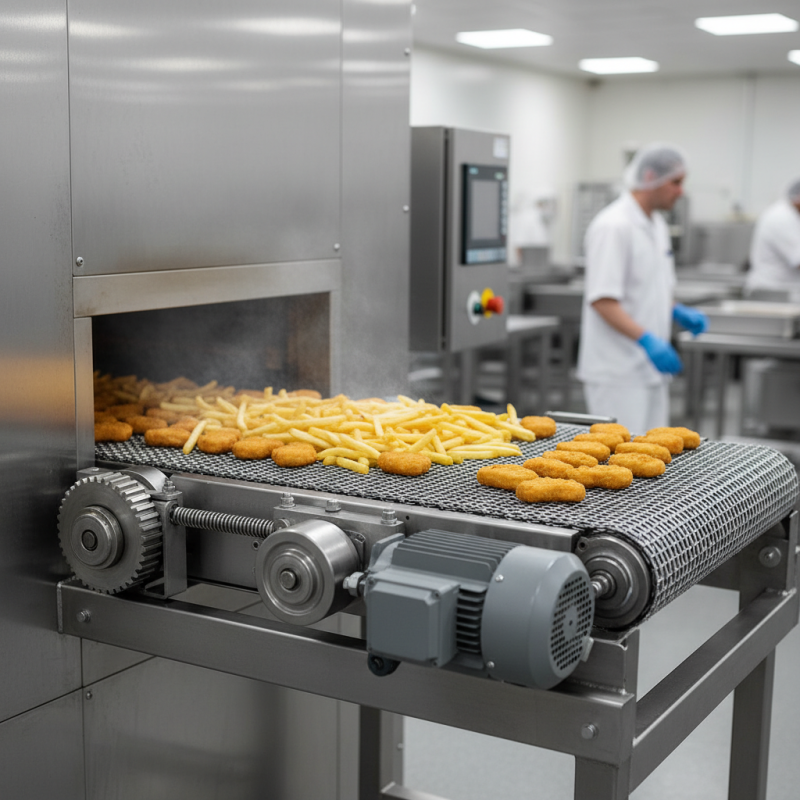
Oven conveyor belts play a crucial role in maintaining efficiency in food processing and baking operations. Neglecting them can lead to costly repairs and downtime. Proper maintenance ensures sustained performance and optimal safety. A well-kept conveyor belt can avoid material buildup and misalignments that compromise productivity.
Regular cleaning is essential. Remove crumbs and spills regularly. This prevents burning smells and contamination. Pay attention to belt alignment. Misalignment can cause uneven cooking and wear on the belt. Inspect rollers and guides too; they should be free of debris. Make sure they move smoothly to avoid additional friction.
Check for signs of wear and tear. Look for cracks or fraying on the belt surface. If you notice issues, don’t ignore them. Timely repairs save money in the long run. Lubrication is another key aspect. It reduces friction and enhances the lifespan of the components. Find a good schedule that works for your operation. Regular maintenance will keep your conveyor belt running efficiently.
10 Essential Tips for Maintaining Your Oven Conveyor Belt
| Tip Number |
Maintenance Tip |
Frequency |
Importance Level |
| 1 |
Clean the conveyor belt regularly |
Daily |
High |
| 2 |
Inspect for wear and tear |
Weekly |
High |
| 3 |
Lubricate the drive system |
Monthly |
Medium |
| 4 |
Adjust the tension of the belt |
Monthly |
High |
| 5 |
Check alignment of the belt |
Bi-weekly |
Medium |
| 6 |
Replace worn belts |
As needed |
High |
| 7 |
Examine for surface damage |
Weekly |
Medium |
| 8 |
Maintain proper cleaning spills |
After each shift |
High |
| 9 |
Ensure proper ventilation |
Monthly |
Medium |
| 10 |
Schedule professional maintenance |
Annually |
High |
Key Signs Indicating Your Oven Conveyor Belt Needs Attention
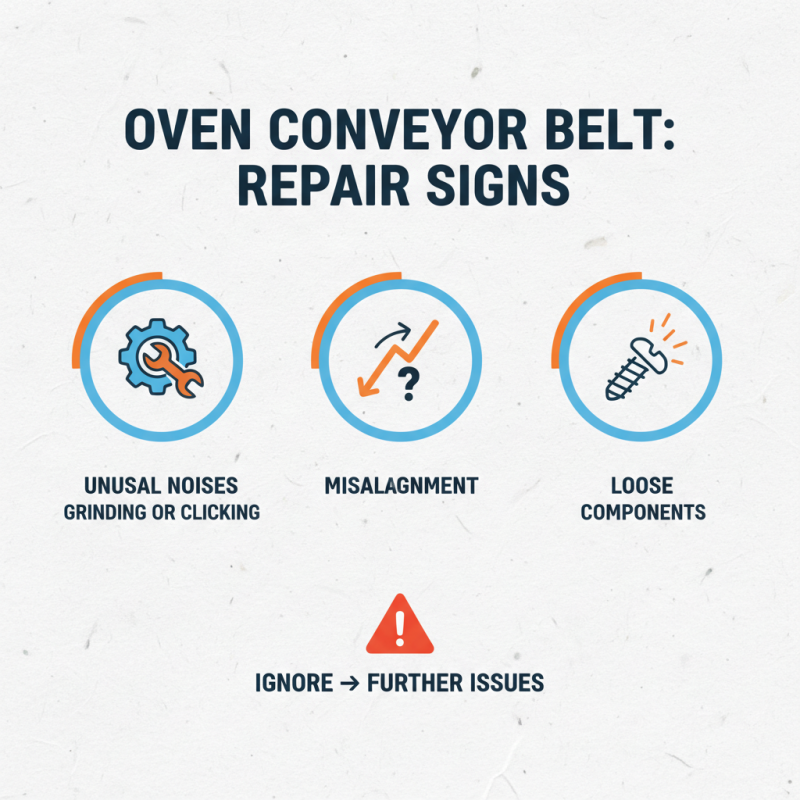
When operating an oven conveyor belt, it’s crucial to recognize signs that indicate it needs repair or maintenance. One key sign is unusual noises. If you hear grinding or clicking sounds, it’s time to investigate. These noises often suggest that the belt is misaligned or that there are loose components. Ignoring these sounds could lead to further issues.
Another sign to watch for is uneven cooking results. If you notice that some items are burning while others are undercooked, the conveyor belt might not be functioning properly. This could mean the speed is off or the heating elements aren’t distributing heat evenly. Regular checks on the consistency of baked goods can highlight underlying problems with your equipment.
Additionally, look for any visible wear and tear on the belt itself. Cracks, fraying, or discoloration can indicate significant wear. These imperfections can compromise performance and safety. Keeping a close eye on the belt’s condition ensures that you address minor issues before they escalate into major repairs. Simply put, if something seems off, don’t dismiss it. Act swiftly to maintain efficiency.
Step-by-Step Guide to Cleaning Your Oven Conveyor Belt
Cleaning your oven conveyor belt is essential for maintaining consistent
food quality and efficiency. Over time, grease and residue can
accumulate, impacting performance. According to industry reports, nearly 30%
of kitchen equipment failures are linked to improper maintenance. Regular attention to your conveyor belt can help prevent
costly repairs.
Begin by disconnecting your oven from power.
This ensures safety during cleaning. Use a soft brush to remove loose debris and crumbs. Then, apply a designated cleaner
to break down grease. Avoid harsh chemicals that can damage the belt material. It’s noteworthy that using the wrong cleaner
can void warranties. After scrubbing, rinse thoroughly with hot water to remove all cleaner residue.
Consider using a diluted vinegar solution for a more eco-friendly option. Many professionals report success with this method.
Pay attention to hidden areas where grime can build up. These spots often get overlooked, leading to larger issues down the line.
A clean conveyor belt improves efficiency by up to 20%, according to some studies.
Regular maintenance may seem tedious, but the long-term benefits outweigh the effort.
Recommended Products for Oven Conveyor Belt Care
Maintaining your oven conveyor belt is crucial for efficiency. Regular care ensures that it operates smoothly. Without proper maintenance, you could face serious issues. Sudden breakdowns can disrupt your cooking schedule.
When it comes to recommended products, consider using a specialized cleaning solution. This type of cleaner works effectively on grease and residue. A soft brush can help reach tight areas. It prevents buildup that often leads to malfunctions.
Don’t forget to check the belt tension regularly. Loose belts can cause uneven cooking.
Investing in a high-quality lubricant is also wise. It minimizes friction and enhances performance.
Pay attention to the manufacturer’s instructions for applying lubricant. Over-application can attract dirt, leading to more problems. Remember,
neglect can turn minor issues into major repairs. Take the time to reflect on your maintenance routine.
Small adjustments today can save you from expensive repairs tomorrow.
Best Practices for Regular Inspection and Maintenance of Conveyor Belts
Regular inspection and maintenance of oven conveyor belts are crucial. These components endure constant stress and high temperatures. A small issue can lead to significant downtime. Check for wear and tear frequently. Look for cracks, fraying, or any misalignment. Even minor signs should not be ignored.
Cleaning is an essential task. Accumulated grease and food particles can impact performance. Use a suitable cleaning solution and a soft scrubber. Be gentle yet thorough to preserve the belt’s integrity. It's also important to monitor tension. A too-tight or too-loose belt can cause operational problems. Adjust as necessary, but avoid over-correcting.
Consider your inspection routine. Set reminders for regular checks. Sometimes, we get complacent and skip steps. This can lead to unexpected breakdowns. Document any changes or issues you find. Keeping records helps to identify patterns over time. Learn from past mistakes to improve your maintenance strategy.
10 Essential Tips for Maintaining Your Oven Conveyor Belt