What is an Oven Mesh Belt and How Does It Work?
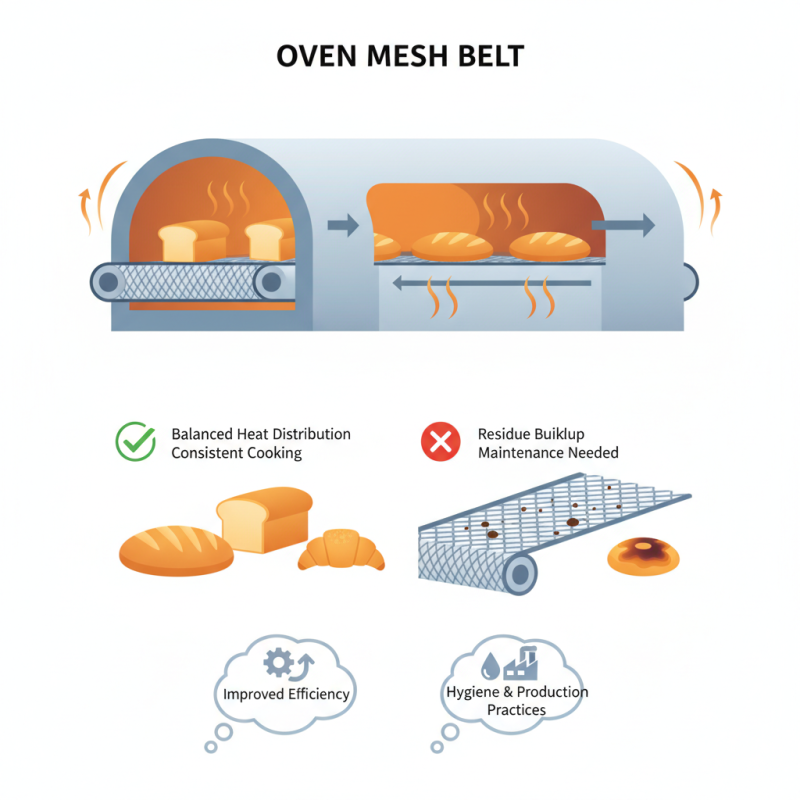
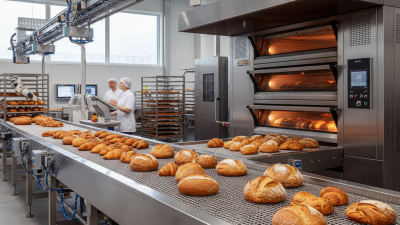
An Oven Mesh Belt is a unique component used in various baking processes. It serves as a conveyor system in industrial ovens, optimizing how food is cooked. The design features a series of interconnected strands, allowing heat to circulate evenly.
One of the main advantages of the Oven Mesh Belt is its ability to hold food securely while providing consistent exposure to heat. This is crucial for achieving the desired texture and flavor in baked goods. For example, bread and pastries require balanced heat distribution. Without this, some parts may burn while others remain undercooked.
While the Oven Mesh Belt increases efficiency, it also presents challenges. Maintenance is necessary to ensure it functions correctly. If not regularly checked, residue can buildup, affecting the food's quality. Understanding the role of the Oven Mesh Belt can help improve baking processes, but it also invites reflection on our practices in production and hygiene.
What is an Oven Mesh Belt?
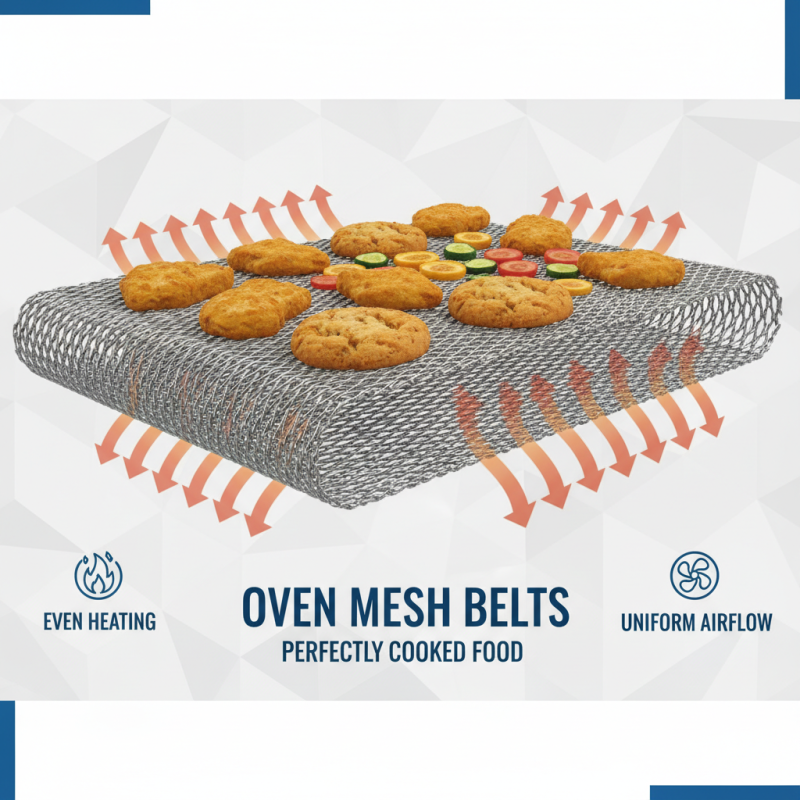
An oven mesh belt is a specialized conveyor system used in baking and cooking applications. It’s usually made of stainless steel. The mesh design allows for even heat distribution. This feature ensures that food products bake uniformly without hot spots. Additionally, the open structure allows for good airflow around the food.
The belt moves continuously in a cooking chamber. This means that items can enter and exit without delay. You can see it in action in many industrial kitchens. The mesh material is durable yet flexible, making it ideal for handling various foods. Types of foods processed include bread, snacks, and pastries.
Tips: Regular cleaning of the mesh belt is essential. It prevents residue buildup. Keep an eye on any wear and tear. If a section starts to break down, address it quickly to avoid further damage. Make sure to monitor temperatures and adjust as needed. Consistency is key for baking success.
The Structure of an Oven Mesh Belt
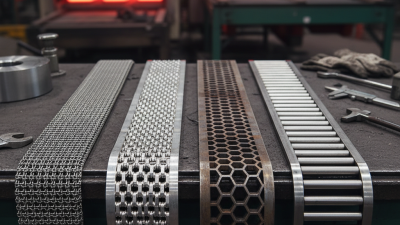
An oven mesh belt is a crucial component in industrial baking and cooking processes. Its structure consists of interconnected metal wires that form a flexible mesh. This design allows for versatility and efficiency in transporting food through various heat zones. The mesh pattern promotes even airflow, enhancing the cooking process and aiding in consistent temperature distribution.
One interesting aspect of the oven mesh belt is its material choice. Stainless steel is commonly used due to its resistance to high temperatures and corrosion. However, not all stainless steel has the same quality. Inferior materials may lead to premature wear and tears. Regular inspections are vital to ensure the belt remains in good condition.
**Tip:** Keep an eye on the belt’s tension. A belt that is too loose might cause uneven cooking, while one that is too tight can lead to unnecessary wear.
The design of the mesh also impacts cleaning. A belt with a tighter weave may collect more debris, making it harder to clean. Consider how often the belt needs maintenance. A less frequent cleaning schedule could be beneficial, but this might lead to potential hygiene issues if not managed correctly.
What is an Oven Mesh Belt and How Does It Work? - The Structure of an Oven Mesh Belt
| Dimension |
Description |
| Material |
Made from high-strength stainless steel or other heat-resistant materials. |
| Width |
Typically ranges from 12" to 60", depending on the oven size. |
| Length |
Customizable length to fit different industrial oven sizes. |
| Mesh Size |
Varies from 0.5" to 2" to allow for proper air circulation. |
| Temperature Resistance |
Can withstand temperatures up to 500°F (260°C) or higher. |
| Functions |
Used for conveying products through heating processes in ovens. |
| Benefits |
Allows for even cooking, easy cleaning, and durability. |
How Oven Mesh Belts Function in Cooking Processes
Oven mesh belts are essential in many cooking processes. They are usually constructed of stainless steel or other heat-resistant materials. These belts allow for even heating and cooking of food items. The mesh design facilitates airflow, which promotes uniform heat distribution. This is crucial for preventing undercooked sections.
During operation, the mesh belt moves continuously. Food items are placed on the belt, allowing them to gradually cook as they pass through the oven. However, the speed of the belt must be carefully monitored. If it moves too quickly, food may not cook thoroughly. If too slow, items could burn. Finding the right balance can be challenging.
The open design of the mesh belt can lead to unexpected results. Ingredients may fall through, causing waste. This can happen especially with smaller items. Regular maintenance is required to address wear and tear. Operators should emphasize proper training to reduce errors. A focus on observation can help improve cooking processes. Issues often reveal opportunities for improvement.
Advantages of Using Oven Mesh Belts in Food Production
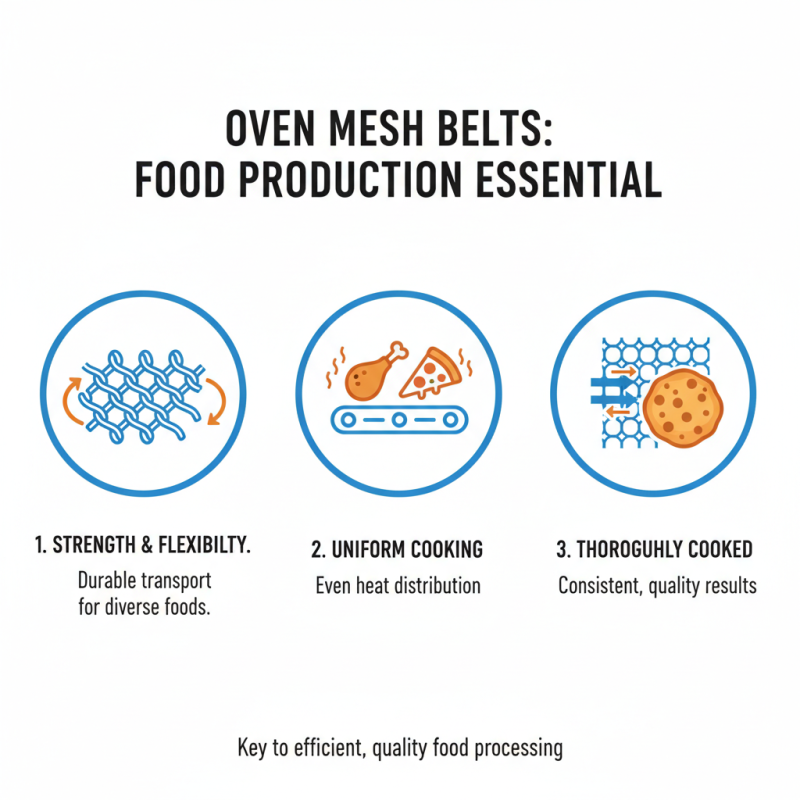
Oven mesh belts are essential in food production. They provide a strong, flexible solution for cooking various food items. Their open mesh design allows for even heat distribution, ensuring that food is cooked thoroughly.
Using oven mesh belts offers several advantages. They promote airflow around the food, which can improve cooking efficiency. This can lead to better texture and flavor. Additionally, the belts are easy to clean, which saves time and effort in busy kitchens. Not all ovens work well with these belts, though. Some may struggle to maintain the right temperature, affecting the final product.
Another benefit is durability. Oven mesh belts can withstand high temperatures and are resistant to wear and tear. However, improper use may cause damage over time. Regular maintenance is necessary to avoid issues. While they simplify cooking, ensuring consistent results requires attention to detail.
Maintenance and Care for Oven Mesh Belts
Maintaining an oven mesh belt is crucial for its longevity and efficiency. Regular cleaning is essential. Food residue can build up, leading to performance issues. Use a soft brush or cloth to remove debris gently. Avoid harsh chemicals that can damage the belt. An occasional deep clean, using warm soapy water, is also beneficial.
Check for signs of wear. A frayed or damaged belt can disrupt cooking processes. Tension adjustments may be necessary as the belt stretches over time. Look for loose fittings or misalignment. These problems can lead to uneven cooking results. If issues arise, prompt repairs can save time and prevent costly breakdowns.
Monitor the operating temperature. Excess heat can warp or damage the belt material. It’s essential to keep an eye on temperatures during use. Consider keeping a maintenance log to track cleaning schedules and repairs. Reflect on any recurring issues. Regular assessments can offer valuable insights into the belt's condition and help guide future maintenance efforts.
Oven Mesh Belt Usage and Maintenance
This bar chart illustrates key characteristics of oven mesh belts, including cleaning frequency, replacement frequency, temperature impact, and load capacity. Regular maintenance and understanding these factors are essential for optimal performance and longevity of the oven mesh belts.