How to Source Steel Wire Mesh for Your Global Needs?
Sourcing Steel Wire Mesh for global needs is a complex process. The demand for high-quality wire mesh is increasing across various industries. According to a recent report by Global Market Insights, the steel wire mesh market is projected to reach $10 billion by 2026, driven by growth in construction and infrastructure projects.
Expert John Turner, a veteran in the steel industry, emphasizes, "Quality sourcing of steel wire mesh can significantly impact construction safety and durability." This highlights the importance of selecting reliable suppliers. However, not all suppliers meet stringent quality standards. This inconsistency in quality presents an ongoing challenge for businesses.
Navigating through the myriad of options can be daunting. Companies must assess the technical specifications and certifications of steel wire mesh. Engaging with local and global suppliers can provide insights but also introduces risks. Many businesses often overlook the importance of establishing clear communication with suppliers. Each step in sourcing steel wire mesh demands careful consideration to ensure optimal outcomes.
Understanding Steel Wire Mesh and Its Applications
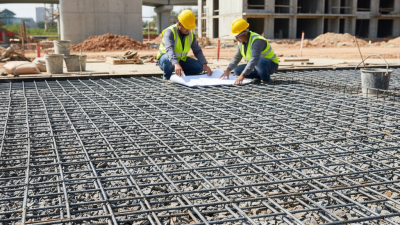
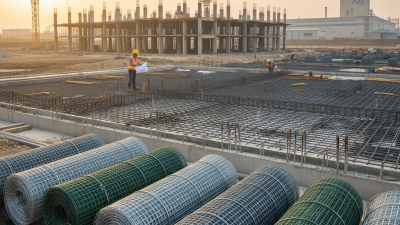
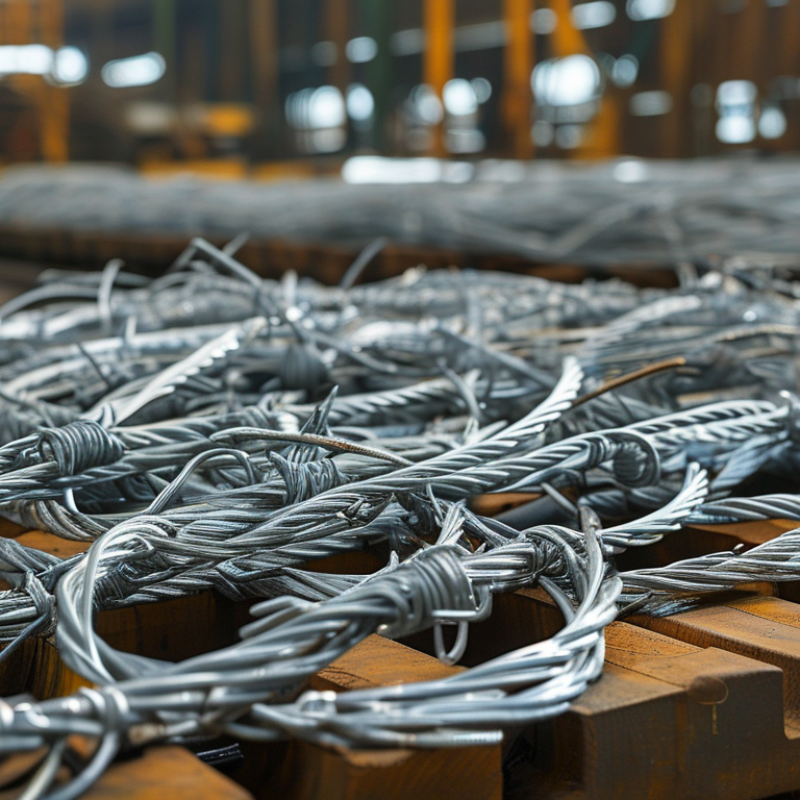
Steel wire mesh is a versatile material widely used across various industries. This mesh consists of interwoven steel wires, providing strength and flexibility. Its applications can be found in construction, agriculture, and even in fencing. In construction, it reinforces concrete, enhancing durability. Similarly, in agriculture, it is used for crop protection and animal enclosures.
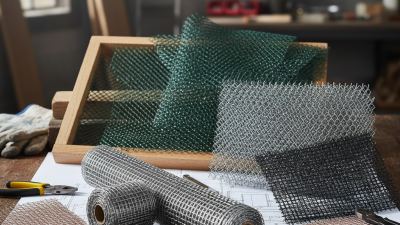
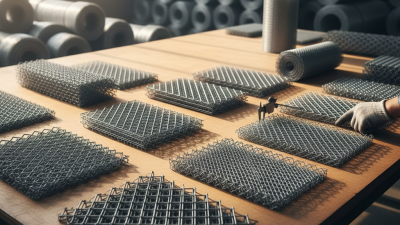
Understanding the different types of steel wire mesh is crucial. There are various patterns and sizes available. Some might be designed for heavy-duty applications, while others are more suited for lightweight uses. It's essential to identify the right specifications for your needs. This can be challenging, requiring careful consideration of factors like wire diameter and mesh opening size.
When sourcing steel wire mesh, consider regional suppliers. Local sourcing can reduce lead times and shipping costs. However, it's vital to verify the supplier’s credibility. Look for reviews and certifications to ensure quality. This process may take time, but securing reliable materials is worth the effort. Inconsistent quality can lead to project delays and additional expenses, prompting reflection on the sourcing strategy.
How to Source Steel Wire Mesh for Your Global Needs?
| Application |
Wire Diameter (mm) |
Mesh Size (mm) |
Material Type |
Coating Type |
Country of Origin |
Typical Order Quantity (kg) |
| Construction |
3.0 |
25 |
Low Carbon Steel |
Galvanized |
China |
500 |
| Agriculture |
2.5 |
50 |
Stainless Steel |
PVC Coated |
India |
300 |
| Industrial |
4.0 |
10 |
High Carbon Steel |
Electro Galvanized |
USA |
1,000 |
| Mining |
5.0 |
15 |
Alloy Steel |
None |
Australia |
800 |
| Fencing |
2.0 |
40 |
Mild Steel |
Vinyl Coated |
Mexico |
600 |
Identifying Reliable Suppliers for Steel Wire Mesh Globally
When sourcing steel wire mesh, identifying reliable suppliers is crucial. In 2021, the global steel wire mesh market was valued at approximately $5.7 billion and is projected to grow at a CAGR of 5.4% from 2022 to 2028. This growth signifies increasing demand across sectors like construction and agriculture.
Many businesses struggle with choosing the right suppliers. Ensuring quality and compliance with industry standards is essential. One effective strategy is to request samples from multiple suppliers. This allows you to assess material quality firsthand. Additionally, consider suppliers who can provide certifications to verify their products meet either local or international standards.
Tips: Always check for customer reviews and case studies. These can provide insights into other clients' experiences with a supplier. Building a shortlist based on reliability and delivery performance is also vital. Evaluate suppliers based on their capacity to meet both large and small orders. Regular communication about project requirements can prevent future misunderstandings.
Evaluating Quality Standards and Specifications for Steel Wire Mesh
When sourcing steel wire mesh, evaluating quality standards is crucial. The standard specifications include ISO 9001 and ASTM A496, which ensure consistent quality. Each specification delineates the mechanical properties required for different applications. For instance, mesh used in construction must withstand significant loads. In contrast, architectural applications may focus on aesthetics and flexibility.
A recent industry report indicates that as of 2022, over 60% of construction projects face delays due to subpar materials. This highlights the importance of sourcing from reputable suppliers. Quality inspection methods like tensile testing and weld integrity tests can help ensure the mesh meets necessary standards. Knowing these specifics can significantly impact project efficiency and longevity.
It’s worth noting that not all suppliers adhere strictly to these standards. Some might offer lower prices but compromise on quality. This complicates the sourcing process. Evaluating potential suppliers must go beyond cost analysis. Transparency in their quality assurance processes is essential. Understanding these factors not only aids in sourcing but also protects projects from future risks related to material failures.
Global Steel Wire Mesh Sourcing Quality Standards
This chart illustrates the quality ratings of various steel wire mesh standards commonly evaluated for sourcing purposes. Each standard is assessed on a scale from 1 to 10.
Navigating International Shipping and Logistics for Steel Wire Mesh
Navigating international shipping for steel wire mesh involves several key considerations. The global steel wire mesh market is projected to grow at a CAGR of 3.4% from 2021 to 2026, indicating increasing demand. This growth means logistics must be efficient and reliable to meet deadlines.
Shipping steel wire mesh isn't always straightforward. Different countries have varying regulations. Misunderstanding these laws can lead to delays or additional costs. For example, complex customs procedures often arise in major markets like the EU and US. Ensuring your suppliers are aware of these regulations is vital.
Logistics can also impact the overall cost. Data shows that transportation can account for up to 25% of the total project cost. Selecting the right shipping method is crucial. Air freight is fast but expensive. Sea freight is more affordable but takes longer. The choice depends on your project timeline and budget constraints. Remember, poor logistics planning can result in significant issues down the line. Consider discussing logistics with your suppliers early in the sourcing process to mitigate complications.
Cost Considerations and Pricing Strategies for Global Sourcing
When sourcing steel wire mesh globally, cost considerations play a pivotal role. Reports indicate that the price of steel wire has fluctuated significantly in recent years. For instance, the global average price reached approximately $650 per ton in early 2023, influenced by raw material costs and demand spikes. Understanding these dynamics is crucial for strategic sourcing decisions.
Additionally, pricing strategies differ across regions. In North America, the tariff impacts can raise expenses by 10-25%. Meanwhile, Asian markets often offer lower labor costs, yet import fees may offset these savings. It's essential to conduct thorough market analysis, weighing these factors against your firm’s needs.
Consider evaluating suppliers based on their pricing structures. Some suppliers provide tiered pricing based on order volume. This could lead to potential savings for larger orders. However, not all suppliers offer the same quality assurance or delivery timelines. It’s worth noting that sometimes lower prices coincide with lesser quality—an important trade-off to consider. Balancing cost against quality is a reflective process that can significantly impact overall satisfaction.