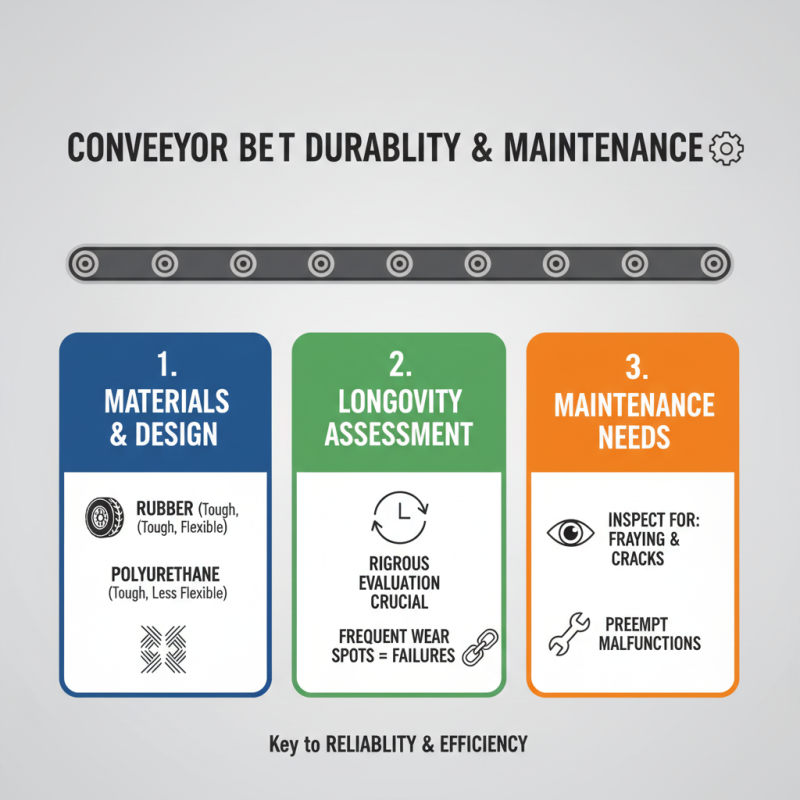
Essential Tips for Choosing Material Handling Conveyor Belt?
In the world of logistics and manufacturing, selecting the right Material Handling Conveyor Belt is crucial for operational efficiency. Expert James Carter, a leading consultant in material handling systems, emphasizes, "The right conveyor belt can make or break a production line." His insight reflects the importance of not only choosing a durable belt but also ensuring it aligns with the specific needs of your operation.
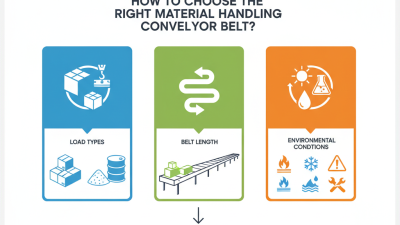
When evaluating options, consider factors such as the material type, weight capacity, and environmental conditions. Choosing a conveyor belt is more complex than it seems. A one-size-fits-all approach often leads to inefficiencies and costly downtimes. For instance, belts designed for heavy loads may not perform well in delicate scenarios. Understanding these nuances can lead to better decisions and improvements in productivity.
However, even experienced professionals can overlook aspects of conveyor belt selection. Common mistakes include underestimating maintenance needs or failing to assess compatibility with machinery. A reflective approach when choosing your Material Handling Conveyor Belt can ensure that your investment pays off in the long run.
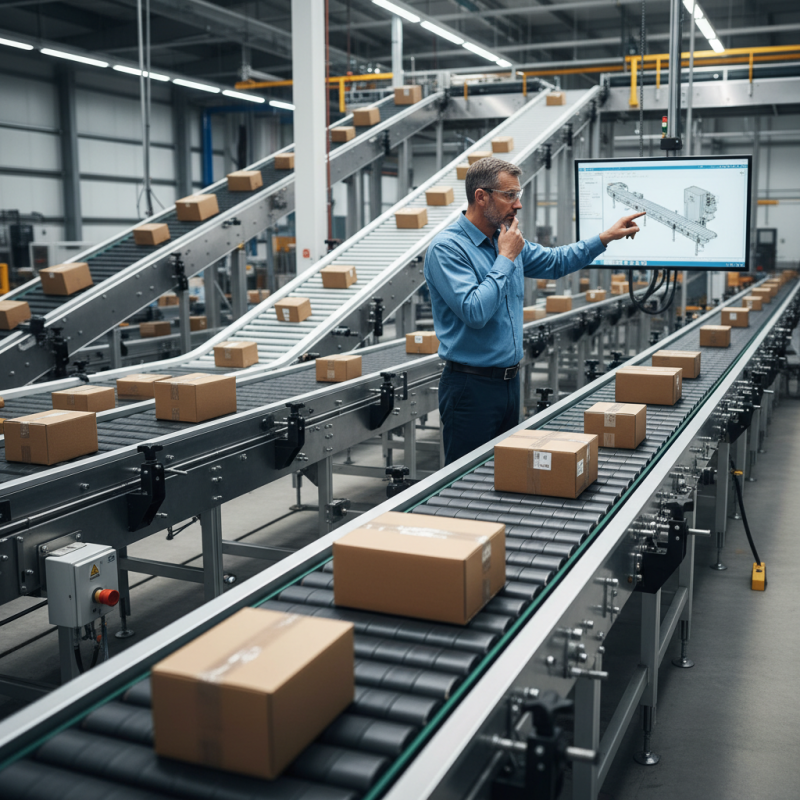
Types of Material Handling Conveyor Belts and Their Applications
When selecting a material handling conveyor belt, it's crucial to understand the different types available and their specific applications. There are several standard types:
flat belts,
modular belts,
cleated belts, and
spiral belts. Each type serves unique purposes in various industries. For instance, flat belts are widely used for transporting lightweight materials, while modular belts are suited for heavy-duty applications, offering flexibility and ease of maintenance.
According to industry reports, the global conveyor belt market was valued at approximately
$4.5 billion in 2022, with a projected annual growth rate of
4.5% through 2030. This growth indicates a rising demand for efficient material handling solutions in sectors such as manufacturing, food processing, and logistics. Choosing the right belt not only enhances productivity but also minimizes operational costs.
However, decision-makers often overlook specific material compatibility. Not every belt material is suitable for all substances, like
chemicals or moisture-sensitive items. Investing time in understanding the application requirements is vital. For example,
cleated belts are ideal for inclined transport, yet they may not be necessary for horizontal layouts. Users could also find standard sizes limiting. Custom solutions might be necessary but come at a higher cost. Evaluating these aspects can significantly affect performance and efficiency in material handling systems.
Key Factors to Consider When Choosing Conveyor Belt Materials
Choosing the right material for a conveyor belt is crucial for efficiency. Different materials offer various benefits and limitations. Understanding these can significantly impact your operations.
One key factor is the environment where the conveyor will operate. For instance, belts in wet environments require materials resistant to moisture and corrosion. Similarly, if the belt will carry heavy loads, a durable material is essential. Pay attention to the surface texture as well; it can affect both grip and wear.
Another consideration is the temperature range. Some materials can handle extreme temperatures better than others. This can be especially important in manufacturing or food processing. Always assess the specific needs of your application to avoid costly mistakes. Each application can have unique demands that should not be overlooked.
Essential Tips for Choosing Material Handling Conveyor Belt
Understanding Load Requirements and Their Impact on Belt Selection
When selecting a material handling conveyor belt, understanding load requirements is vital. The weight and size of the items being transported must guide your choice. A belt designed for light loads may fail under heavy items. It’s crucial to assess not just the static weight, but also dynamic loads. For instance, if your loads are prone to shifting, consider belts with improved grip and tension.
Load type plays a significant role in belt material selection. If you are handling abrasive materials, a tougher belt material is essential. Soft materials on a weaker belt may wear out quickly. Moreover, consider environmental factors such as temperature and moisture. Belts behave differently in varying conditions. Does your environment require more flexibility or sturdiness?
Regular evaluation of your options is necessary. New technologies continuously emerge. Are you keeping pace with these advances? Over time, load requirements may change too. Periodically reassess your current belt against your operational needs. This reflection can help you make informed decisions, ensuring efficiency in your material handling processes.
Essential Tips for Choosing Material Handling Conveyor Belt
| Load Type |
Weight Range (lbs) |
Belt Material |
Belt Width (inches) |
Speed (ft/min) |
Application |
| Light Load |
0 - 50 |
PVC |
12 |
100 |
Packaging |
| Medium Load |
51 - 150 |
Rubber |
18 |
75 |
Manufacturing |
| Heavy Load |
151 - 300 |
Steel |
24 |
50 |
Mining |
| Extra Heavy Load |
301+ |
Heavy-Duty Rubber |
30 |
40 |
Construction |
Safety Standards and Compliance in Material Handling Conveyor Systems
When selecting a material handling conveyor belt, safety is paramount. Compliance with safety standards is essential for any material handling system. The specific regulations depend on the industry and the nature of the materials being transported. Understanding these standards helps prevent accidents and ensures a safe workspace.
Tips for compliance include regularly training staff. Workers should know how to operate the conveyor system safely. Regular maintenance checks are vital. Inspect belts for wear and tear, as failing belts can cause serious injuries. Keeping the work environment clean and organized also reduces hazards.
You might overlook safety features. Always ensure that emergency stops are accessible. Guardrails and covers can protect workers from hazards. Documentation on safety procedures should be readily available. Make it a habit to review these practices regularly to maintain a safe environment. Investing time in safety pays off, as it fosters a culture of awareness.