Leave Your Message

What Are the Top 10 Woven Wire Mesh Types?

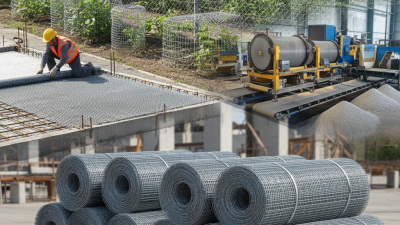
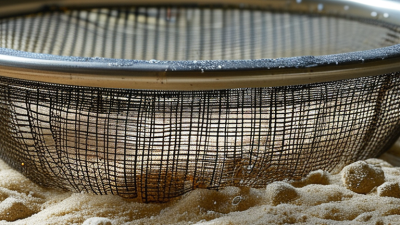
Woven Wire Mesh appears in places where strength, filtration, airflow, and precise separation matter. You may see it across a vibrating screen, inside a filter housing, or guarding a machine opening. Its surface can look simple, yet its performance depends on weave pattern, wire diameter, aperture size, and material choice.

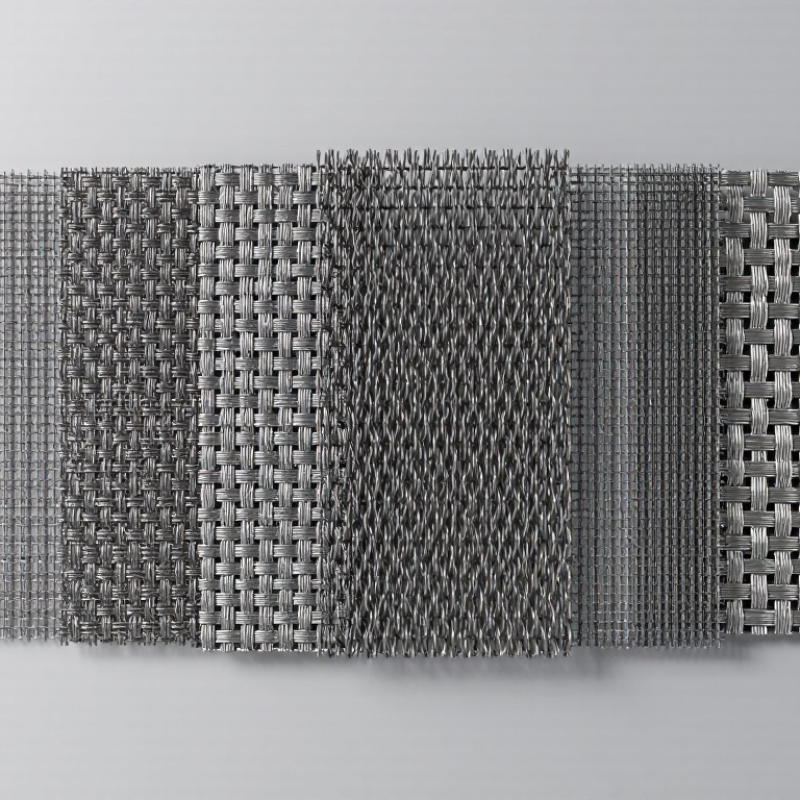
This guide introduces ten widely used woven wire mesh types and explains how each one behaves in practical settings. Plain weave offers a balanced structure for general screening. Twill weave provides greater strength and smaller openings. Dutch and reverse Dutch weaves support demanding filtration tasks. Other patterns, including compound and five-heddle designs, can improve flow, durability, or particle control.

Small differences matter. A tighter mesh may filter better but restrict flow. A heavier wire may last longer but reduce open area. Stainless steel often resists corrosion, while carbon steel can suit less aggressive environments. These choices should match temperature, pressure, chemical exposure, and cleaning methods.

Real projects rarely fit a perfect chart. Installation errors, uneven tension, or unclear particle data can weaken an otherwise suitable mesh. That is why experienced engineers verify specifications before production. Standards such as ASTM and ISO may support quality checks, but they do not replace application testing.

The goal is clarity.

By comparing these ten types, readers can identify useful options without relying on appearance alone. The right selection improves reliability, maintenance planning, and long-term operating value.
What Are the Top 10 Woven Wire Mesh Types?

What Woven Wire Mesh Is and How Its Structure Determines Performance

What Are the Top 10 Woven Wire Mesh Types?

Woven wire mesh is made by interlacing metal wires at controlled angles. Its structure affects strength, filtration, airflow, and resistance to wear. Plain weave is the simplest option, with each wire passing over and under the next. It offers balanced openings and easy inspection. Twill weave creates a stronger cloth for heavier loads. Dutch plain and Dutch twill weaves use finer wires, supporting precise filtration. Reverse Dutch weave adds strength when pressure and fine particle control matter. Five-heddle weave provides smooth openings and good flow. Crimped, lock-crimped, intercrimped, and flattened mesh forms improve stability in screens and guards.

Wire diameter matters as much as the weave. Thicker wires usually improve durability, but they reduce open area. Smaller openings can capture particles effectively, yet they may clog faster. Stainless steel suits humid or corrosive environments, while carbon steel may fit dry, less demanding applications. In practice, a mesh that looks perfect on paper can perform poorly after vibration, heat, or repeated cleaning. That detail is easy to miss.

Tips: Define opening size, wire diameter, load, temperature, and cleaning method before choosing a type. Check the actual mesh sample under light. Measure it if possible. A supplier’s data is useful, but field conditions deserve equal attention. Even experienced buyers sometimes specify filtration precision without considering pressure loss. That is where performance can disappoint.
The Ten Main Woven Wire Mesh Types and Their Defining Features

What Are the Top 10 Woven Wire Mesh Types?

Woven wire mesh is defined by its crossing pattern, wire shape, and opening size. The ten main types serve different filtration, screening, and separation needs.

Plain weave has alternating over-and-under wires. It offers balanced openings and straightforward inspection. Twill weave places each wire over two others, creating greater strength and flexibility. Dutch plain weave uses thicker warp wires and fine weft wires, supporting pressure filtration. Dutch twill weave produces very small openings and improved holding capacity. Reverse Dutch weave reverses the wire arrangement, giving strong support for fine filter cloth.

Five-heddle weave forms rectangular openings with a smooth filtering surface. Six-heddle weave creates a dense structure for demanding separation work. Compound Dutch weave combines multiple wire systems, increasing strength and filtration control. Bolting cloth uses precise, lightweight wires for accurate particle screening. Pre-crimped mesh uses shaped wires before weaving, improving stability and maintaining consistent openings.

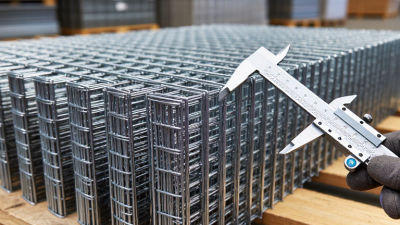
In practical inspection, measure both wire diameter and aperture size. A mesh may look identical but perform differently under pressure. I would not choose solely by mesh count. Flow rate, material temperature, loading, and cleaning method matter too. Terminology can vary between suppliers, which sometimes causes confusion. Requesting a drawing or test sample is wiser than trusting a short specification. Even experienced buyers can overlook edge construction. That detail often affects installation and service life.

What Are the Top 10 Woven Wire Mesh Types?

Representative open-area ranges for the ten main woven wire mesh types. Actual values vary with wire diameter, mesh count, and manufacturing specification.

Plain and twill weaves provide balanced strength and screening performance. Dutch, reverse Dutch, and five-heddle weaves are commonly selected for fine filtration, while crimped, flat-top, and triple-shute meshes emphasize dimensional stability, load capacity, or specialized screening performance.

Plain, Twill, Dutch, and Reverse Dutch Weave Mesh Compared

Plain, twill, Dutch, and reverse Dutch weaves form the practical core of woven wire mesh selection. Plain weave alternates each wire over and under the next, creating square openings and predictable flow. It suits screening, filtration, and protective covers. Twill weave passes each wire over two and under two, producing stronger cloth with smaller openings. However, its diagonal pattern can complicate visual inspection.

Dutch weave uses thicker warp wires and finer weft wires. It offers high mechanical strength and controlled filtration, even when the aperture is extremely small. Reverse Dutch weave changes the wire arrangement, placing more emphasis on longitudinal strength and fine particle retention. In plant trials, the difference is visible: plain mesh sheds dust easily, while reverse Dutch mesh may hold residue in deeper pockets. That matters during cleaning.

ISO 9044:2016 defines industrial woven wire cloth through mesh count, wire diameter, and aperture requirements. ASTM E2016 also supports consistent terminology and dimensional checks. A 2024 Grand View Research assessment placed the broader global wire mesh market at roughly US$8 billion in 2023, with continued growth forecast through 2030. This demand reflects filtration, construction, mining, and process equipment applications. Yet market growth does not make every weave interchangeable. My practical caution is simple: specify aperture, wire diameter, material, and operating temperature together. A cheaper plain weave can fail quickly under abrasion; a Dutch weave can become unnecessarily restrictive. The wrong choice is often discovered only after pressure rises.

Specialized Woven Mesh for Filtration, Screening, Safety, and Decoration

What Are the Top 10 Woven Wire Mesh Types?

Specialized woven mesh supports filtration, screening, safety, and decoration across demanding industries. The ten common types include plain weave, twill weave, Dutch plain, Dutch twill, reverse Dutch, five-heddle, crimped, flattened, square-opening, and bolting cloth. Plain weave offers balanced openings for general screening. Twill weave handles finer wires and heavier loading. Dutch weaves create dense surfaces for hydraulic and polymer filtration. Five-heddle cloth provides high flow with strong support. Crimped and flattened mesh suits aggregate screening, guards, partitions, and architectural panels.

Selection should follow particle size, pressure, temperature, corrosion exposure, and cleaning method. A 45-micrometer filter may capture small particles, but it can block quickly when dust is irregular. That detail is often underestimated. The 2024 MarketsandMarkets Industrial Filtration report projects the market to grow from about 41 billion dollars in 2024 to more than 58 billion dollars by 2029. This growth increases demand for repeatable mesh openings and traceable materials. ISO 9044:2016 defines requirements for industrial woven wire cloth, while ASTM E11 supports standardized sieve and cloth testing.

Safety mesh needs stable apertures, firm edges, and reliable mounting. Decorative mesh needs visual consistency under changing light.

Stainless steel, galvanized steel, and nickel alloys each behave differently during forming and cleaning. In practice, a specification should state wire diameter, opening size, weave, tolerance, and alloy grade.

One overlooked tolerance can change flow performance. The best design is not always the finest mesh. Sometimes, a coarser cloth lasts longer.

How to Choose the Right Woven Wire Mesh for a Specific Application

What Are the Top 10 Woven Wire Mesh Types?

How to Choose the Right Woven Wire Mesh for a Specific Application

Choosing woven wire mesh starts with the application, not the catalogue image. Common options include plain weave, twill weave, Dutch plain, Dutch twill, reverse Dutch, five-heddle, flat-top, compound Dutch, bolting cloth, and heavy-duty square mesh. Each design changes the opening, strength, flow, and filtration behavior.

Start with the opening.

In practical testing, I check the target particle size, operating pressure, temperature, and cleaning method. Plain weave suits general screening and light filtration. Twill weave offers greater strength when finer openings are needed. Dutch weaves support pressure filtration because their surface wires create controlled openings. Flat-top mesh can reduce wear and improve material flow.

A few millimeters matter here.

Wire material also deserves careful attention. Stainless steel handles many wet and heated environments, while carbon steel may suit dry, low-corrosion service. The selected wire diameter affects both service life and open area. A thicker wire usually lasts longer, but it can restrict flow.

Do not choose by mesh count alone. Ask for aperture tolerances, tensile data, surface condition, and inspection records.

I have seen projects fail because the mesh was strong enough, but the opening was slightly wrong. That detail is easy to miss. Test a sample under real conditions before approving full production. Allow for vibration, abrasion, and repeated cleaning, since laboratory performance may not match the working line.