Top 10 Conveyor Belt Transport Systems for Global Buyers
Choosing among the Top 10 Conveyor Belt Transport Systems for Global Buyers is not simply a matter of belt speed or price. A system must suit its material, route, operating hours, and maintenance capacity. Fine powders behave differently from wet gravel. A long, exposed route also faces weather, dust, and temperature changes. Small details matter.
Conveyor specialist R. Todd Swinderman’s bulk-material handling guidance can be summed up in this editorial paraphrase: “Reliable conveying depends on the whole system, not the belt alone.” This is not presented as a verbatim quotation. It points to a practical truth: transfer points, rollers, drives, guards, and belt-cleaning equipment all affect performance. Buyers should compare load capacity, energy use, safety features, service access, and the availability of replacement parts. A polished specification sheet cannot show every operating problem. A poorly placed chute, for example, may cause spillage and extra cleanup.
This guide introduces ten system types used across industries and regions. It considers where each design fits, what trade-offs deserve attention, and which questions buyers should ask suppliers. The rankings are a starting point, not a universal verdict. Real sites differ. A compact package may work well in a warehouse but prove unsuitable for a steep, dusty quarry route. That distinction is easy to miss. A careful site assessment, supported by clear technical data and experienced engineering review, helps turn a shortlist into a dependable investment.
Define Global Buyer Requirements: Material, Route, Capacity, and Duty Cycle
A conveyor selection begins with the material, not the catalogue. Record particle size, bulk density, moisture, temperature, and abrasiveness. Wet sand may cling to a belt, while sharp rock can wear its cover quickly. A sample test helps, but it may not capture seasonal changes. Small details matter.
Map the full route before comparing systems. Note horizontal distance, elevation changes, transfer points, available space, and access for maintenance. A steep rise may need cleats or another conveying arrangement. Each transfer chute should limit spillage and impact. Measure the actual peak flow, not only the daily average. Uneven loading can change the required belt width and speed.
Capacity must match the duty cycle: hours per day, starts per hour, and expected load variation. Continuous operation places different demands on drives, bearings, and belt strength than occasional use. Check ambient temperature, dust, and washdown conditions at the site. These details are sometimes missing from early requests for quotation. That creates risk. Experienced teams can still overlook a short seasonal surge or a difficult inspection point. Leave room for verified operating data, and have a qualified conveyor engineer review the proposed load, route, and maintenance plan.
Compare 10 Conveyor Types for Bulk, Unit-Load, and Enclosed Transport
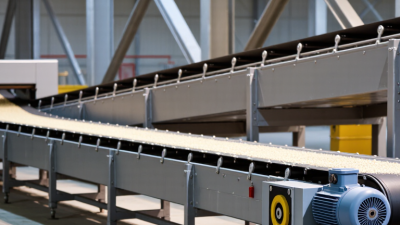
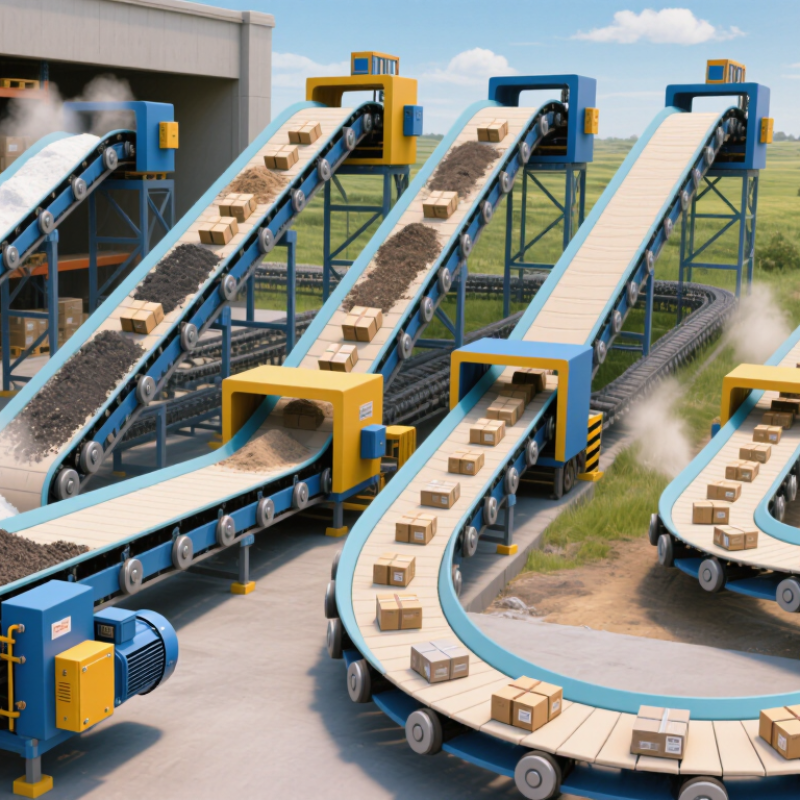
Choosing a conveyor starts with the load, route, and transfer points. For bulk material, troughed belts carry steady flows of ore, grain, or aggregate across long distances. Flat belts suit cartons and parts with stable bases. Cleated belts help move loose material uphill, while sidewall belts contain it on steep routes. Pipe belts fold around the load. They can reduce spillage, but loading and discharge need careful design.
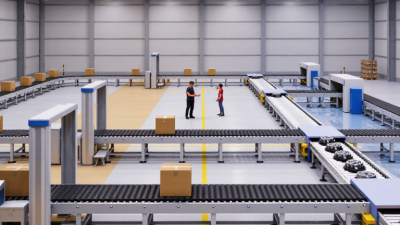
For unit loads, roller conveyors move boxes efficiently when their bottoms are firm and even. Slat conveyors support heavier or irregular items, though their joints need regular inspection. Chain conveyors handle pallets and fixtures, but can be noisy. Enclosed screw conveyors move powders or small particles through a casing; check for wear and heat buildup. Bucket elevators lift bulk material vertically in a compact footprint. They require attention to bucket spacing and discharge behavior.
These are not interchangeable machines. A dusty grain line may need sealed transfer points, while a carton line depends on package dimensions and spacing. Measure the steepest incline and the smallest item before selecting a belt. Small details matter. I would also question any design that assumes material will flow perfectly in every season. Moisture changes behavior, and a test with actual material can reveal problems that drawings miss. Keep access clear for cleaning and maintenance.
Benchmark Throughput: Mining Belt Systems Can Exceed 10,000 t/h
In large mines, conveyor systems can be engineered to exceed 10,000 tonnes per hour. That figure is a design benchmark, not a guarantee of daily output. Actual throughput depends on belt width, speed, material density, and steady loading. A wide belt moving coarse ore may carry more than a narrow belt at the same speed.
Small details matter. Wet fines can cling to the belt, while oversized rocks may cause impact damage at loading points. Transfer chutes need to control material flow and limit spillage. These conditions affect uptime as much as the motor rating does. That is substantial. But the estimate can look tidy; the plant rarely does.
For a fair comparison, buyers should ask whether quoted capacity is continuous or peak throughput, and what material assumptions support it. Request operating data for similar duty, including belt availability, maintenance intervals, and measured tonnes per hour. Route length, elevation changes, and environmental exposure also shape energy use and reliability. A system rated above 10,000 t/h may be unsuitable if feed arrives unevenly or transfer points become bottlenecks. I would treat the headline number as a starting point, then test it against the mine’s actual material and operating schedule.
Mining Conveyor Belt Throughput Benchmarks
High-capacity mining belt systems can exceed 10,000 tonnes per hour (t/h). The chart shows reference capacity milestones, not guaranteed operating rates.
Actual throughput depends on belt width and speed, material properties, loading conditions, and system design.
Evaluate Belt Speeds, Typically 1–7 m/s, Against Load and Route Needs
Conveyor speed should match the material and route, not simply maximize tonnes per hour. At about 1 m/s, a belt may suit fragile goods, short transfer points, or careful loading. Faster belts can move bulk material efficiently, but they also increase impact at chutes and make spillage harder to control. Small details matter.
A practical review starts with hourly tonnage, belt width, material density, and lump size. A narrow belt carrying heavy ore needs a different speed assessment from a wide belt moving light packages. Route length and elevation matter too. Steep sections may need cleats or other retention features, while curves and transfer points can limit speed. Check dust, noise, and stopping distance in the operating area.
Speeds near 7 m/s are not automatically better. They can raise wear and demand precise alignment, reliable tracking, and well-designed loading zones. A trial run with the actual material can reveal problems that calculations miss. Watch for bouncing pieces, uneven loading, and buildup beneath the belt. One overlooked issue: seasonal moisture can change material flow, so a setting that works in dry conditions may not work after rain. Compare expected capacity with real operating conditions before selecting a speed.
Check Design and Safety Against ISO 5048 and ISO 14890 Standards
A conveyor can look suitable on paper and still struggle under a real load.
For global buyers, ISO 5048 and ISO 14890 offer useful checks, but they address different parts of the system. ISO 5048 provides methods for calculating operating power and belt tensile forces on belt conveyors with carrying idlers. Ask suppliers to show the assumptions behind their calculations, including belt speed, lift, loading, and resistance.
ISO 14890 covers rubber- or plastics-covered textile conveyor belts for general use. Compare the belt’s stated construction and performance with the conveyed material, operating temperature, and expected duty. A belt moving abrasive stone faces different wear conditions from one carrying dry grain. Check that the submitted belt documentation matches the selected system, not just a similar model.
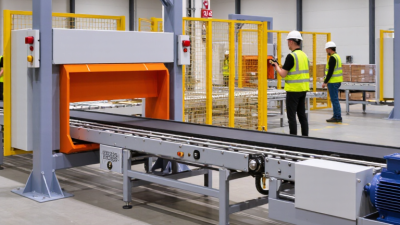
These standards do not replace a site-specific safety review. Inspect guarding around pulleys and nip points, emergency stops, access routes, and maintenance procedures. Look for practical details: a test record, clear operating limits, and space to reach a take-up unit safely. I would also question calculations that omit frequent starts or uneven loading. Real sites are rarely as tidy as the drawing.