Top Wire Belting Manufacturers for Global Procurement Needs?
In today's industrial landscape, Wire Belting is a critical component for efficient production processes. With various manufacturing demands, finding reliable suppliers is essential. Global procurement needs require careful consideration of different factors. Quality, durability, and performance of Wire Belting directly influence operational success.
Numerous manufacturers exist, each claiming expertise. However, discerning the best requires an understanding of industry standards and supplier reputation. A manufacturer’s history can reveal much about their reliability. It’s important to note that not all options will fit your specific requirements. Evaluating performance through user experiences is crucial for effective decision-making.
Assessing supplier capabilities in Wire Belting is complex. Some may excel in certain applications, while others may lack experience. Engaging with established manufacturers often ensures better outcomes. Yet, emerging companies may offer innovative solutions that challenge traditional methods. Awareness of your operational needs will guide you toward the most suitable partners in this dynamic market.
Overview of Wire Belting and Its Applications in Various Industries
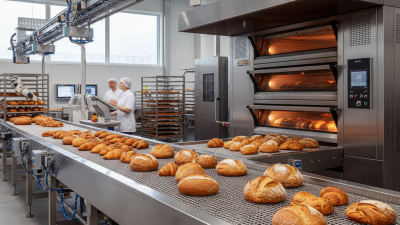
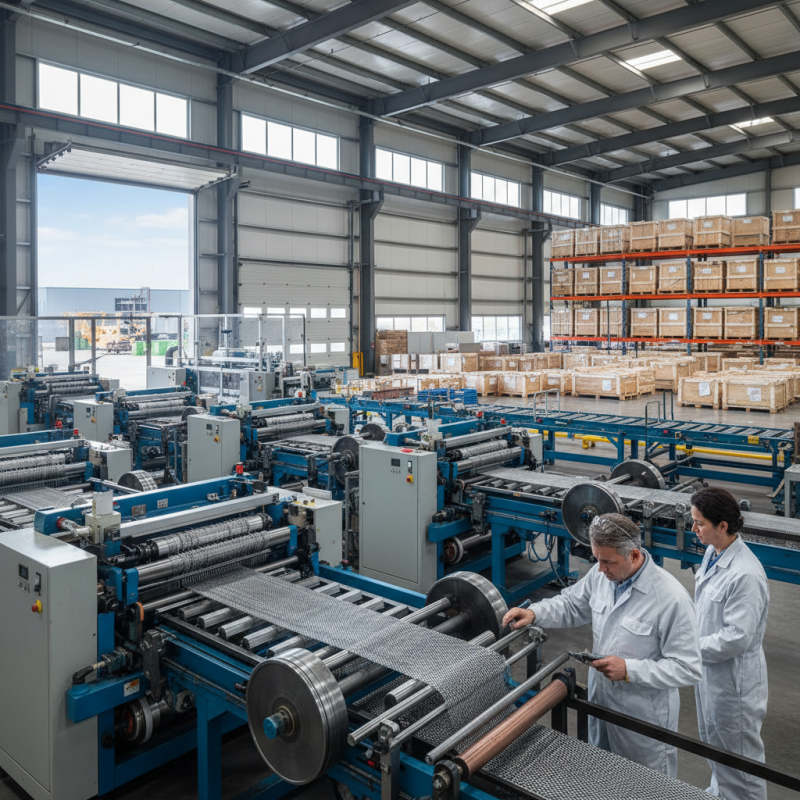
Wire belting plays a crucial role in numerous industries. It offers durability and stability for conveying materials. Common applications include food processing, packaging, and manufacturing. The versatility of wire belting allows it to withstand extreme temperatures and heavy loads. This makes it essential for operations that demand reliability.
Tips: Regular maintenance of wire belts can enhance their longevity. Inspect for wear and tear frequently. Address issues promptly to avoid costly downtimes.
In the food industry, wire belts facilitate hygiene and efficiency. They are easy to clean and resistant to corrosion. In manufacturing, these belts help transport heavy items smoothly. However, choosing the right material based on specific requirements can be challenging.
Tips: Always evaluate your operational needs before selecting a belt. Consider factors like load capacity and operating environment. Balancing these will lead to optimal performance.
Top Wire Belting Manufacturers for Global Procurement Needs
| Manufacturer Location |
Product Type |
Industries Served |
Key Features |
Typical Applications |
| North America |
Stainless Steel Wire Belts |
Food Processing, Pharmaceuticals |
Corrosion Resistance, High Durability |
Baking Ovens, Conveyors |
| Europe |
Plastic Modular Belts |
Automotive, Packaging |
Easy Cleaning, Lightweight |
Assembly Lines, Packaging Systems |
| Asia |
Wire Mesh Belting |
Mining, Recycling |
High Strength, Flexible Design |
Material Handling, Aggregate Processing |
| Australia |
Chain Driven Belts |
Textile, Wood Processing |
Robust Construction, Customizable |
Drying Racks, Conveyor Systems |
| South America |
Flat Wire Belting |
Food Processing, Chemical |
High Temperature Resistance, Easy Maintenance |
Frying, Cooling, Chemical Transport |
Key Factors to Consider When Selecting Wire Belting Manufacturers
Selecting the right wire belting manufacturer is crucial for any procurement strategy. Consideration of factors like material quality is essential. High-quality materials prolong the lifespan of belting. This leads to reduced downtime and maintenance costs. Seek manufacturers who prioritize material sourcing. If they fail to do this, you may face performance issues later.
Another key factor is manufacturing capabilities. A reputable manufacturer should offer a variety of belting options. This can include different sizes, styles, and custom specifications. You might find a manufacturer that only produces standard sizes. This could limit your operational flexibility. Ensure they can meet both current and future needs.
Customer support cannot be overlooked. Reliable manufacturers offer robust support throughout the procurement process. This includes timely responses to inquiries and efficient delivery schedules. Lack of communication may indicate future challenges. Check reviews and seek references to gauge customer service quality. A strong support system builds trust and eases the procurement journey.
Top Global Manufacturers for Wire Belting: A Comparative Analysis
The wire belting industry plays a crucial role in various sectors,
including food processing, manufacturing, and logistics. Companies sourcing wire belting need to evaluate manufacturers closely.
Factors such as material quality,
design innovation, and manufacturing techniques should be key considerations.
A comparative analysis can bring clarity to these choices.
Wire belts are often made from stainless steel or plastic, each serving distinct applications.
For example, stainless steel belts excel in high-temperature environments.
On the other hand, plastic belts may offer flexibility and lightweight handling.
However, assessing the durability and maintenance requirements of each type is vital.
Sometimes, companies overlook the long-term costs associated with less durable materials.
Choosing a manufacturer also involves understanding support services.
Some companies provide excellent after-sales support and customization options. Others may fall short in these areas,
leading to issues down the line. Engaging with multiple suppliers for detailed consultations can provide insights but may also create confusion.
Clear communication of needs helps ensure suitable matches between manufacturers and industries.
Innovations and Trends in Wire Belting Manufacturing Technology
The wire belting industry is evolving rapidly. Manufacturers are embracing new technologies, enhancing both efficiency and product quality. Automation in production processes is a key innovation. This change reduces human error and speeds up output. It also allows for more precise manufacturing, which is essential for meeting strict industry standards.
Sustainability has also become a priority in wire belting. Manufacturers are exploring eco-friendly materials. This shift addresses global environmental concerns. However, the transition to sustainable materials can be challenging. Some materials may not perform as well as traditional options. Companies need to balance sustainability with performance expectations.
Additionally, digital integration is becoming widespread. Smart manufacturing techniques are helping monitor production in real-time. This ensures higher quality and less waste. Still, many companies struggle with implementing these technologies. They face challenges like costs and workforce training.
As innovation continues, wire belting manufacturers must evaluate their processes. The future may hold both opportunities and hurdles in this field.
Sourcing Strategies for Efficient Global Procurement of Wire Belting
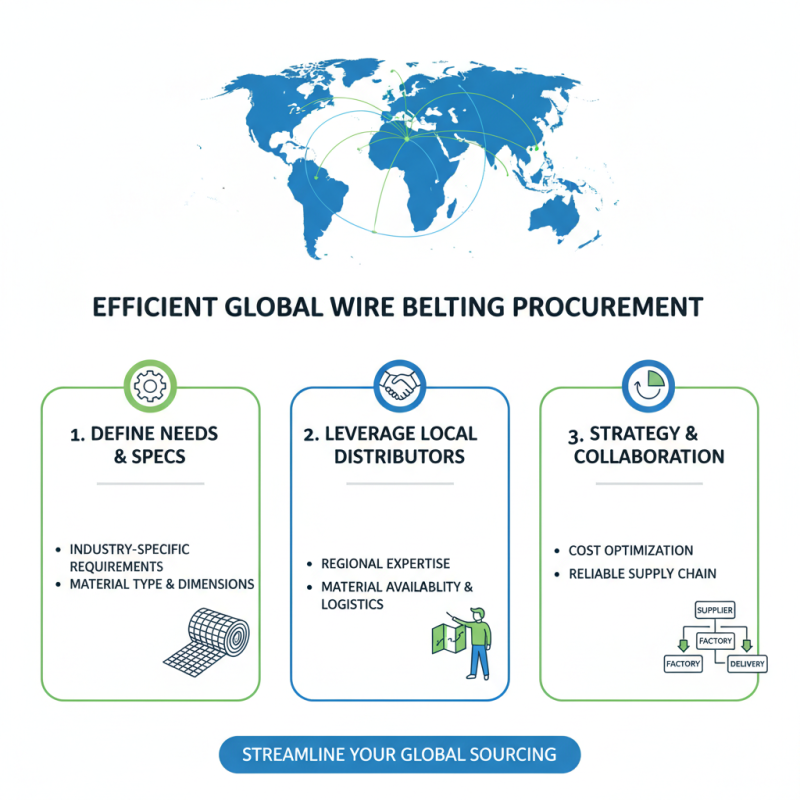
Efficient global procurement of wire belting requires a well-structured sourcing strategy. Companies should start by identifying their specific needs and applications. Different industries have unique requirements; therefore, clarity in specifications is crucial. Collaborating with local distributors can streamline the procurement process. They understand regional variations and can offer insights into material availability.
Utilizing technology is essential for enhancing procurement efficiency. Industrial platforms can facilitate communication between buyers and manufacturers. These platforms often showcase product catalogs and technical specifications, making it easier to compare options. However, relying solely on online resources can be risky. It is vital to validate supplier credentials through references or certifications. A thorough due diligence process can prevent future delays and financial losses.
Global logistics also play a pivotal role in the successful procurement of wire belting. Understanding shipping regulations and customs requirements ensures smooth transit. Delays often arise from miscommunication regarding documentation. Even with the best strategies, unexpected challenges occur. These can include fluctuating material costs or supply chain disruptions, emphasizing the need for contingency plans. Balancing cost-effectiveness with quality remains a perennial challenge in procurement.