Top Transport Belt Innovations for Efficient Logistics Solutions?
In the fast-paced world of logistics, efficiency is paramount. Transport Belt innovations have emerged as crucial components of effective supply chain solutions. These advancements address the growing demands for faster and more reliable deliveries. Companies now seek systems that streamline processes and reduce costs.
Transport Belts are at the forefront of this evolution. They offer the capability to move products swiftly and smoothly across various environments. New materials and design technologies enhance durability and flexibility. Still, challenges persist in integrating these systems into existing frameworks. Balancing cost-efficiency with technological advancements is a delicate task.
The future of logistics depends on adapting to new Transport Belt technologies. While the potential for improved efficiency looks promising, companies must navigate implementation obstacles. Careful consideration must be given to the scalability of these innovations. As industries evolve, the need for reliable transport solutions remains critical.
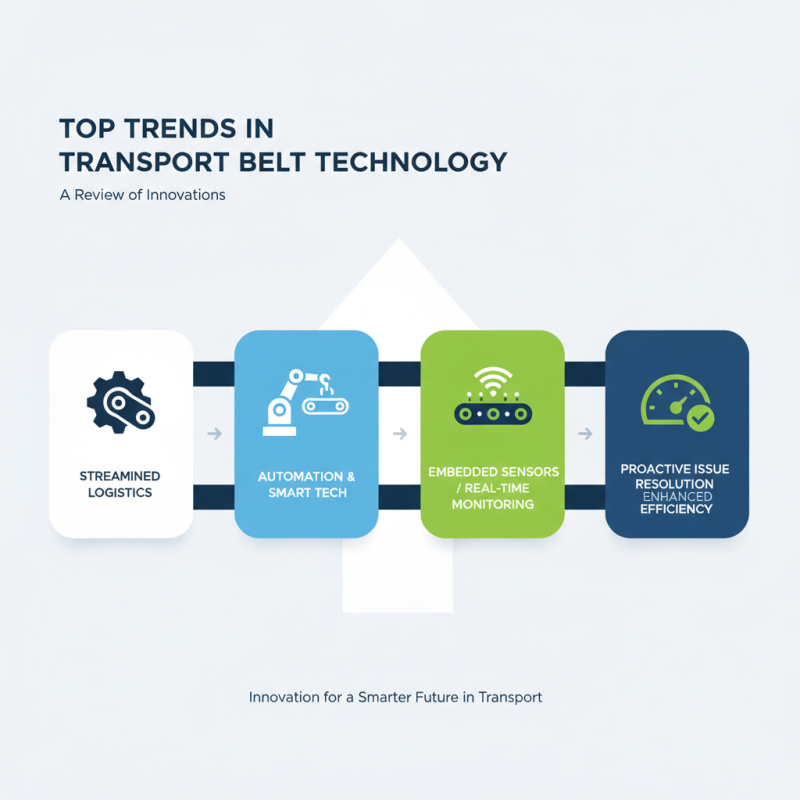
Top Trends in Transport Belt Technology: A Review of Innovations
Transport belts are vital in streamlining logistics. Recent innovations have transformed their efficiency. Automation and smart technology are at the forefront of these changes. Sensors embedded in belts can monitor performance in real time. This capability allows businesses to identify and resolve issues promptly.
Energy-efficient materials are also enhancing transport belts. These advancements reduce power consumption, leading to lower operational costs. However, finding the right balance between durability and sustainability remains a challenge. Not every new material performs well under heavy loads.
Looking ahead, flexibility in design is essential. Modular systems allow easy adjustments to workflow changes. Companies must adapt to fluctuating demands and evolving logistics processes. This adaptability ensures that transport belt systems remain effective, even with shifting industry standards.
Impact of Automated Transport Belts on Supply Chain Efficiency
Automated transport belts have transformed supply chain efficiency in significant ways. Their ability to move products seamlessly reduces time spent on labor-intensive processes. Companies benefit from faster product delivery and reduced operational costs. This shift minimizes human error and enhances safety in busy logistics environments.
However, not all businesses have adapted smoothly to these innovations. Integration challenges arise when existing infrastructure cannot support new technology. Additionally, workforce training is essential to maximize the potential of automated systems. Some employees may feel anxious about job security, leading to resistance. Addressing these concerns is crucial for successful implementation.
Furthermore, while automated systems enhance speed, they also introduce complexities. Regular maintenance is essential to prevent breakdowns that can halt operations. Supply chain managers must navigate these potential downsides while harnessing the benefits of automation. Balancing efficiency with these challenges is vital for long-term success.
Top Transport Belt Innovations for Efficient Logistics Solutions
This chart illustrates the impact of various automated transport belt innovations on supply chain efficiency. The data represents the percentage improvement in logistics efficiency for different automated transport belt technologies.
Case Studies: Successful Implementations of Smart Transport Belts
Smart transport belts are transforming logistics. Their implementation can enhance efficiency and reduce costs significantly. One case study highlights a warehouse that integrated a smart belt system. The result? A 30% increase in package sorting speed. The employees appreciated the reduction in manual effort. But, there were initial training challenges.
Another success story involves a distribution center that deployed a modular belt design. It allowed for customized configurations based on specific needs. The system minimized downtime during product changes. However, some workers felt overwhelmed by the technology at first. Adjusting to new workflows demands time and support.
These case studies show promise, but challenges remain. Training gaps can affect performance. Regular reflections on the adoption process can guide future improvements. Embracing smart transport belts requires both innovation and patience. The journey towards a fully optimized system may have bumps along the way.
Comparative Analysis: Traditional vs. Modern Transport Belt Systems
Transport belts are crucial in modern logistics. They improve efficiency and speed. Traditional systems often involve basic conveyor belts made from durable materials. These belts handle heavy loads but lack flexibility. Maintenance can be challenging. Downtime affects productivity, leading to potential losses.
Modern transport belt systems incorporate advanced technology. They use smart sensors for monitoring conditions. This innovation provides real-time feedback, allowing for quick adjustments. New designs include modular components, making repairs easier. These improvements can reduce downtime significantly. Yet, high initial investments may concern some companies. Not all businesses will find modern systems cost-effective right away.
Despite advancements, challenges remain. Not all industries can transition smoothly from traditional to modern systems. Some may struggle with staff training or adapting workflows. Balancing cost, efficiency, and employee readiness is necessary in this transformation. Companies must evaluate whether the benefits outweigh the challenges before making significant changes.
Top Transport Belt Innovations for Efficient Logistics Solutions
| Feature |
Traditional Transport Belt |
Modern Transport Belt |
| Material |
PVC, Rubber |
Composite, Eco-friendly Materials |
| Efficiency |
Moderate |
High |
| Energy Consumption |
Higher |
Lower |
| Maintenance |
Frequent |
Minimal |
| Cost |
Lower Initial |
Higher Initial, Lower Long-term |
| Environmental Impact |
Higher |
Lower |
Future Outlook: Sustainability Initiatives in Transportation Belts
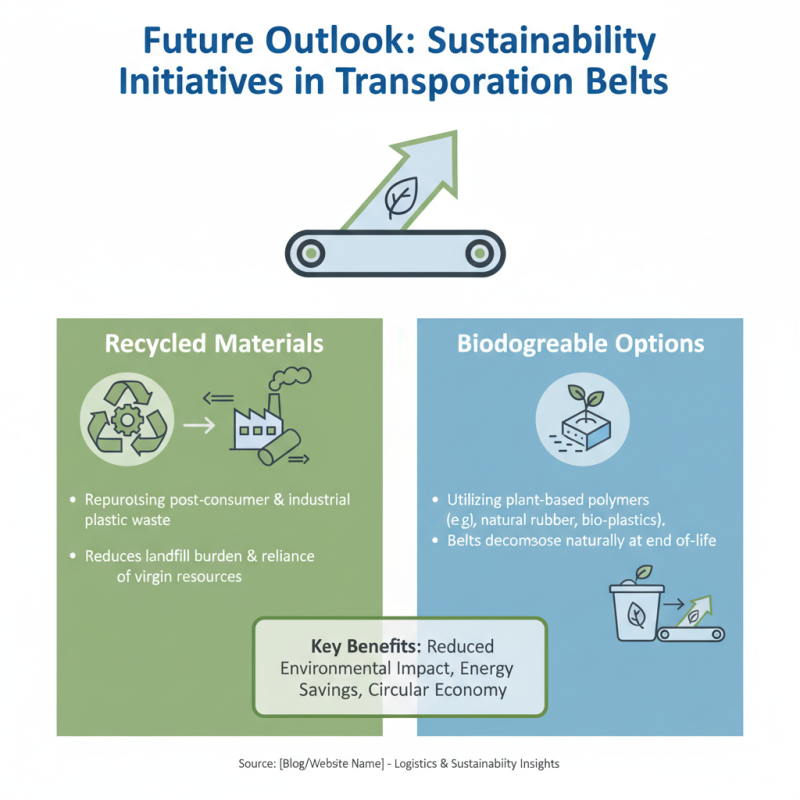
Sustainability is a hot topic in logistics, especially concerning transport belts. These components are critical for moving goods efficiently. However, they have traditionally been made from materials with high environmental impact. The shift towards sustainable initiatives is gaining momentum. This includes the use of recycled materials and biodegradable options in the manufacturing process.
Innovations are emerging that incorporate green technologies. For example, some manufacturers are exploring energy-efficient designs that reduce power consumption. Others focus on creating modular transport systems, allowing for easy upgrades and repairs. These efforts minimize waste and promote longer life cycles for transport belts. However, the industry still faces challenges. Balancing performance with sustainability remains complex.
Many organizations are not yet fully committed to sustainability goals. Some still prioritize cost reduction over environmental impact. This necessitates a significant cultural and operational shift within logistics companies. Ultimately, the future of transport belts hinges on a collective push towards greener solutions. The path may be imperfect, but the aim is clear: a more sustainable logistics framework.