Wire Mesh is easy to overlook until it shapes how a space works. You may see it in a garden fence, a concrete slab, a machine guard, or a fine kitchen sieve. Its open pattern allows air, water, or light to pass while helping contain, support, filter, or protect. The right choice depends on more than appearance. Wire material, opening size, wire diameter, weave, and finish all affect performance.
For a transparent editorial framing—not a sourced quotation—consider this line from hypothetical wire-mesh specialist Jordan Lee: “Choose the opening for the job, then check the wire and finish.” It captures a useful starting point, not a universal design rule. A mesh that works well around plants may be unsuitable for screening fine particles. Likewise, a sturdy-looking panel can corrode or deform if its material and installation do not match the conditions. Small details matter.
This guide explores what Wire Mesh is used for across construction, agriculture, industry, filtration, and everyday products. It also explains how common mesh types differ and what to consider when selecting one. Expect practical examples: reinforced concrete, ventilated enclosures, and sieves with openings measured in millimeters. Not every application is obvious. Some choices require testing or advice from a qualified supplier, especially when loads, chemicals, or precise filtration are involved.
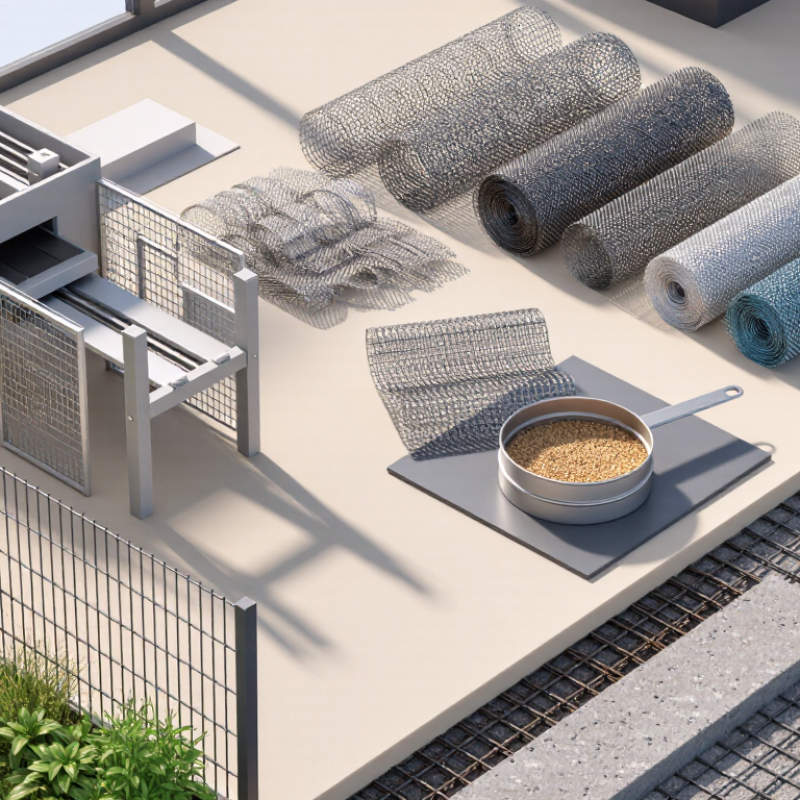
Wire mesh is a grid of intersecting metal wires, joined by welding or weaving. Its performance depends on wire diameter, opening size, spacing, and material. A tight grid can screen smaller particles; wider openings allow airflow and drainage. Welded mesh often supports concrete reinforcement, while woven mesh is common in screening and protective barriers. Small details matter. A coating can improve corrosion resistance, but damaged or poorly applied coatings may leave cut edges exposed.
ASTM A1064/A1064M specifies requirements for carbon-steel wire and welded wire reinforcement used in concrete. For broader industry context, World Steel Association’s World Steel in Figures 2025 reports 1,882.6 million tonnes of global crude steel production in 2024. That figure describes the steel sector, not mesh output or mesh quality. It is useful context, but it cannot replace product-level checks. Mesh strength also depends on wire grade, weld quality, and manufacturing tolerances; a neat-looking grid alone proves little.
Tips: Check the stated wire diameter and opening dimensions against the actual application. For concrete work, confirm the specified reinforcement grade and placement details. Measure a sample panel if tolerances are important. A specification can look precise yet leave one practical question unanswered: how will the mesh be supported on site?
Wire mesh is used in screens, filters, guards, and partitions. It starts as metal wire, commonly made from steel, stainless steel, aluminum, or copper. The wire is drawn through dies to reach a chosen diameter, then cleaned and sometimes coated. Small details matter. Oils or uneven wire can affect the finish and how well coatings adhere.
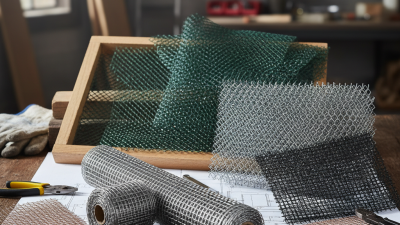
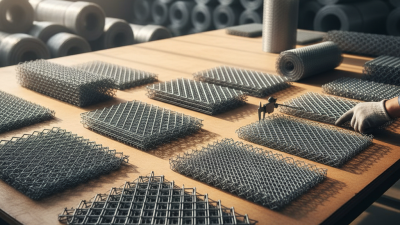
Two common production methods are weaving and welding. In woven mesh, wires pass over and under one another, much like a compact fabric. Welded mesh joins crossing wires at fixed points, creating a regular grid. Other products are made by expanding slotted sheet metal or crimping wires before weaving. These methods affect flexibility, strength, and edge behavior. A physical sample can reveal details that a product label misses.
Mesh is classified by material, wire diameter, opening size, and pattern. Openings may be measured between wire centers or by the clear gap, so check the specification carefully. That distinction is easy to miss. Mesh count describes openings per linear inch, but it does not indicate strength by itself. Coatings, manufacturing tolerances, and intended loads also matter. Two meshes with similar openings may perform differently after cutting or bending. Appearance alone cannot guarantee a precise fit.
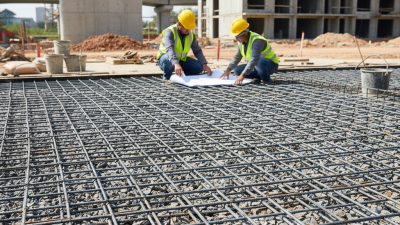
Wire mesh supports many construction and infrastructure tasks because it combines strength with open space for concrete, air, or water. In concrete slabs and pavements, reinforcing mesh helps distribute loads and control cracking. It does not prevent every crack, and it cannot replace a design suited to the site.
In retaining structures, welded mesh can hold stone in gabion baskets, allowing water to drain while stabilizing slopes. That drainage matters after heavy rain.
On roads and bridges, mesh may reinforce concrete barriers, culverts, and other elements. At construction sites, sturdy mesh panels create temporary boundaries and protect work zones. Mesh is also used in drainage screens and architectural façades, where airflow and visibility are useful.
Small details matter. Opening size, wire diameter, coating, and expected loads all affect performance. A specification that works indoors may fail in a wet or coastal setting.
Tips: Match the mesh material and protective coating to moisture and exposure. Check drawings before cutting or placing it; incorrect laps or positioning can reduce its intended function. Keep mesh supported at the specified height within concrete, rather than letting it rest on the ground. It is easy to assume all mesh is interchangeable. It is not. When conditions are unusual, ask a qualified engineer to review the selection.
Wire mesh serves practical roles across industrial, agricultural, and everyday settings. In factories, welded or woven mesh can guard machinery, separate materials, and support ventilation. A steel screen with small openings may filter debris from a production line, while heavier panels form walkways or storage cages. Aperture size and wire thickness matter. A poor match can clog, bend, or fail under load.
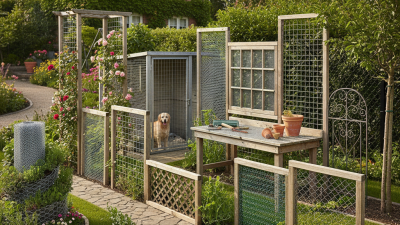
On farms, mesh helps protect crops and animals. Fencing keeps poultry within a run, and finer screening can reduce insects around greenhouse vents. It also supports climbing plants such as beans and peas. Outdoor exposure changes the choice: galvanized or stainless wire often resists corrosion better than untreated steel. Not forever. Check for loose joints and damaged areas, especially near soil and water.
At home, wire mesh appears in window screens, shelving, compost bins, and garden trellises. A mesh panel can keep leaves out of a drain while allowing water through, but very fine openings may trap dirt. Small detail, big difference. The right option depends on what must pass through, what must stay out, and how much weight the mesh will bear. One easy mistake is focusing on the material and overlooking installation; even sturdy mesh can sag when its edges are poorly supported.
What Is Wire Mesh Used For?
Choosing Wire Mesh for a Specific Application
Choosing wire mesh starts with the job it must do. A garden screen needs different openings and strength than a machine guard or filter. Measure the space, then consider what must pass through and what must stay out. Small details matter. A 6 mm opening may stop larger debris but let fine particles through. Check the actual opening size, not just the mesh count, since measurement conventions can vary.
Wire material matters too. Stainless steel often suits damp or washdown areas, while coated or galvanized steel may work for less demanding outdoor use. Match wire thickness and weave to expected impact, weight, and airflow. For example, a storage basket holding heavy parts needs stiffer wire than a light ventilation screen. Think about cleaning and edge handling; cut mesh can have sharp ends. A sample panel helps. It can still mislead if the finished frame changes its tension or support. When the choice is uncertain, test a small section under real conditions before ordering a large quantity. That extra check can reveal clogging, sagging, or poor fit early.