Leave Your Message

What Is Woven Mesh and How Is It Used?

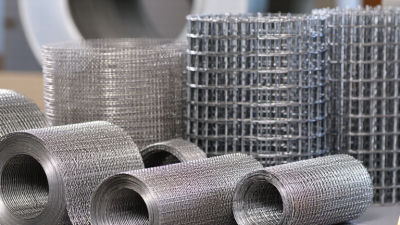
Woven Mesh is a structured material made by interlacing wires or threads in a controlled pattern. Each strand passes over and under another, creating openings with measurable width, shape, and consistency. The result may look simple, but its performance depends on wire diameter, weave style, material grade, and manufacturing accuracy. Common patterns include plain weave, twill weave, and Dutch weave. Each design changes strength, filtration behavior, airflow, and surface appearance.

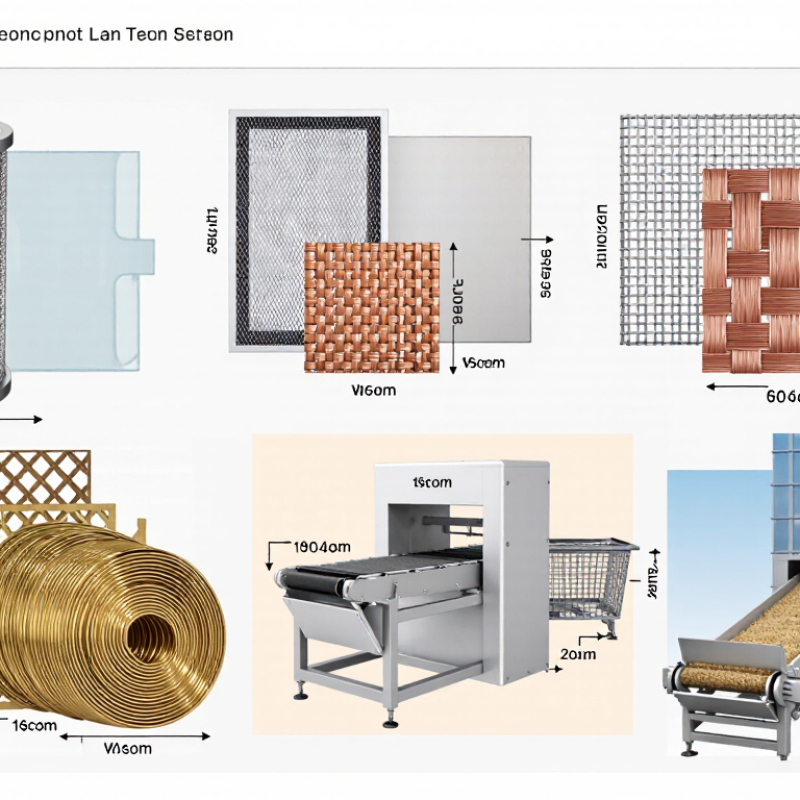
In practical settings, woven mesh appears in filter screens, machine guards, ventilation panels, laboratory equipment, food-processing lines, and architectural features. Stainless steel mesh can resist moisture and repeated cleaning, while brass or copper mesh may suit electrical or decorative applications. Engineers often compare aperture size, open area, tensile strength, corrosion resistance, and temperature tolerance before selecting a specification. Small details matter. A mesh opening that seems adequate may clog quickly when exposed to dust, fibers, or sticky particles.

This guide explains what Woven Mesh is, how it is manufactured, and why different industries depend on it. It also considers installation conditions, maintenance needs, and realistic performance limits. Mesh is not automatically suitable for every environment. A strong product can still fail when chemical exposure, vibration, pressure, or incorrect sizing is ignored. Some specifications look convincing on paper, yet field conditions may reveal weaknesses. Careful testing remains essential, especially where filtration accuracy, worker protection, or product cleanliness matters. Reliable decisions should draw from supplier data, recognized testing methods, and the actual demands of the application.
What Is Woven Mesh and How Is It Used?

Definition and Basic Structure of Woven Mesh

Woven mesh is a sheet of interlaced wires. The wires cross at right angles, forming repeated openings. Each crossing is created by passing warp wires over and under weft wires. This simple structure gives the material strength, flexibility, and controlled permeability.

Mesh specifications depend on measurable details. Mesh count indicates the number of openings per linear inch. Aperture describes the clear distance between neighboring wires. Wire diameter affects strength, weight, and flow resistance. ISO 9044:2016 defines industrial woven wire cloth through aperture size, wire diameter, and dimensional tolerances. ASTM E2016 also supports consistent terminology for metallic wire products. These standards matter because a small opening change can alter filtration performance.

The structure is practical. Coarse mesh can separate larger particles, while fine mesh supports precision screening. Engineers may select square openings for predictable separation or rectangular openings for higher throughput. A 2024 industrial filtration market assessment reported that demand is increasing for finer, more consistent screening media. The exact figure varies by region and application. That uncertainty deserves attention. Laboratory results may not match field conditions, especially when vibration, moisture, or abrasive material is present. In practice, technicians inspect aperture uniformity, wire damage, and tension before installation. A mesh that looks identical may perform differently.

Materials Commonly Used in Woven Mesh Production

Woven mesh is produced by crossing wires or threads in a controlled over-and-under pattern. The selected material affects strength, flexibility, corrosion resistance, and cost. Stainless steel is widely used because it tolerates moisture, heat, and repeated cleaning. It appears in filtration screens, food-processing equipment, guards, and architectural panels.

Carbon steel offers high tensile strength and practical pricing. However, it needs protective treatment in damp environments. Aluminum is lighter and resists natural oxidation, making it useful for ventilation covers, lightweight filters, and decorative screens. Copper and brass provide good electrical conductivity and warm colors. They are often chosen for grounding components, fine screening, and interior design details. Synthetic options, such as polyester, nylon, and polypropylene, are flexible and resistant to many chemicals. They suit liquid filtration, laboratory screens, and separation processes.

Tips: Match the mesh material to the real working conditions. Check temperature, moisture, chemical exposure, load, and opening size. A fine mesh may improve filtration but reduce flow. A lighter alloy may simplify installation but deform under pressure. No material is perfect. I have seen specifications fail when designers considered only wire diameter. Review the full environment, then confirm performance through supplier data or a small test sample.

What Is Woven Mesh and How Is It Used?

Typical densities of materials commonly used in woven mesh production

Woven mesh is produced by interlacing wires or filaments in a regular pattern. Stainless steel and carbon steel provide strength and durability, aluminum offers low weight, copper and brass provide electrical conductivity and corrosion resistance, while nylon and polyester are lightweight options for filtration, screening, and separation applications. Density is shown in grams per cubic centimeter and represents typical material values rather than a specific product specification.

How Woven Mesh Is Manufactured

Woven mesh is made by crossing metal wires in a controlled pattern. Manufacturers select wire material, diameter, and weave style for the intended application. Common patterns include plain, twill, and Dutch weaves. Each pattern changes strength, opening size, and filtration performance.

Production usually begins with straightening and preparing the wire. The loom then passes warp wires lengthwise and weft wires across them. Tension must remain stable during weaving. Small variations can affect the final aperture. After weaving, the mesh may be cut, rolled, welded, or edged.

Some products receive cleaning or surface treatment. Inspection often includes measuring wire diameter, mesh count, opening size, and overall flatness. In practice, visual inspection alone is not enough. A mesh can look uniform but still contain inconsistent openings.

Tips: Confirm the required opening size before ordering. Measure samples with suitable tools, not by sight. Ask for material certificates when corrosion resistance matters. Store mesh in a dry area, away from sharp contact. Avoid pulling tightly during installation. It can distort the weave. Also, consider operating temperature, pressure, and cleaning methods. These details are sometimes overlooked, yet they influence service life. A practical trial can reveal problems that specifications miss.

Key Properties and Performance Factors

What Is Woven Mesh and How Is It Used?

Woven mesh is made by interlacing metal wires in a controlled pattern. Each crossing creates openings that can filter, separate, shield, or support materials. Its performance depends on more than the stated mesh count. Wire diameter, opening size, weave style, and material grade all influence daily service.

A fine mesh can capture small particles, but it may restrict flow and clog quickly. A coarse mesh allows faster movement, yet unwanted particles may pass through.

Plain weave offers predictable openings and easy inspection. Twill weave can provide greater strength for demanding applications. The right balance matters. There is no universal “best” mesh.

Temperature, moisture, abrasion, and chemical exposure can change performance over time. Stainless steel mesh often suits humid environments, while other alloys may handle heat more effectively. Engineers should check tensile strength, open-area percentage, and dimensional tolerance before installation. A two-millimeter opening may look accurate, but uneven tension can reduce actual separation quality.

Cleaning method also deserves attention. High-pressure washing may damage delicate wires or enlarge openings. Routine inspection should look for broken wires, corrosion spots, blocked areas, and loose edges. Small defects can become serious under vibration. Field conditions are rarely perfect. Some specifications seem sufficient on paper but fail after repeated loading, so testing the mesh under realistic operating conditions is a wiser choice.

Common Applications Across Different Industries

What Is Woven Mesh and How Is It Used?

Common Applications Across Different Industries

Woven mesh is made by crossing metal or synthetic wires in a repeated pattern. The openings may be square, rectangular, or tightly controlled for precise separation. Its strength depends on wire material, diameter, weave style, and opening size.

In food processing, woven mesh supports sieving, drying, and product screening. Fine mesh can separate flour particles, while heavier grades handle grain and seeds. In mining, larger openings help classify crushed stone by size. However, abrasive materials can wear the wires faster than expected. Regular inspections matter.

Construction teams use woven mesh for ventilation panels, protective barriers, and concrete reinforcement support. It can also cover drainage openings while limiting debris entry. In agriculture, mesh appears in animal enclosures, seed cleaning equipment, and crop protection structures. The correct opening size is crucial. Too small, and airflow suffers.

Manufacturing plants often use woven mesh in filters, conveyor surfaces, and heat-treatment fixtures. Stainless steel grades suit environments with moisture or repeated cleaning. Synthetic mesh can reduce weight in lighter screening tasks. Still, material selection should consider temperature, chemical exposure, and load. A visually strong mesh may fail under vibration. This is an easy detail to miss. Field measurements, supplier specifications, and trial installations provide more reliable decisions than appearance alone.