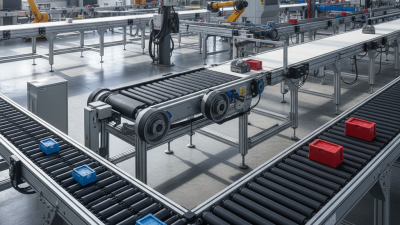
2026 Top Industrial Belting Trends What Buyers Need to Know
In the rapidly evolving world of Industrial Belting, staying ahead of market trends is crucial for manufacturers and buyers alike. According to Dr. Ethan Roberts, a leading expert in the field, "Understanding the shifting dynamics of Industrial Belting is key to optimizing operational efficiency." This insight reflects the importance of keeping informed about innovations and challenges.
As we approach 2026, several key trends are shaping the Industrial Belting landscape. Advances in materials and technology are enhancing performance and durability. Sustainability has become a priority, with many companies seeking eco-friendly options. These shifts demand that buyers think critically about their choices.
However, the challenges are not negligible. Buyers often struggle to balance cost and quality. The influx of new suppliers complicates decision-making. Staying informed is more important than ever in navigating this complex terrain. Understanding these trends is not just beneficial; it's essential for survival in the competitive Industrial Belting market.
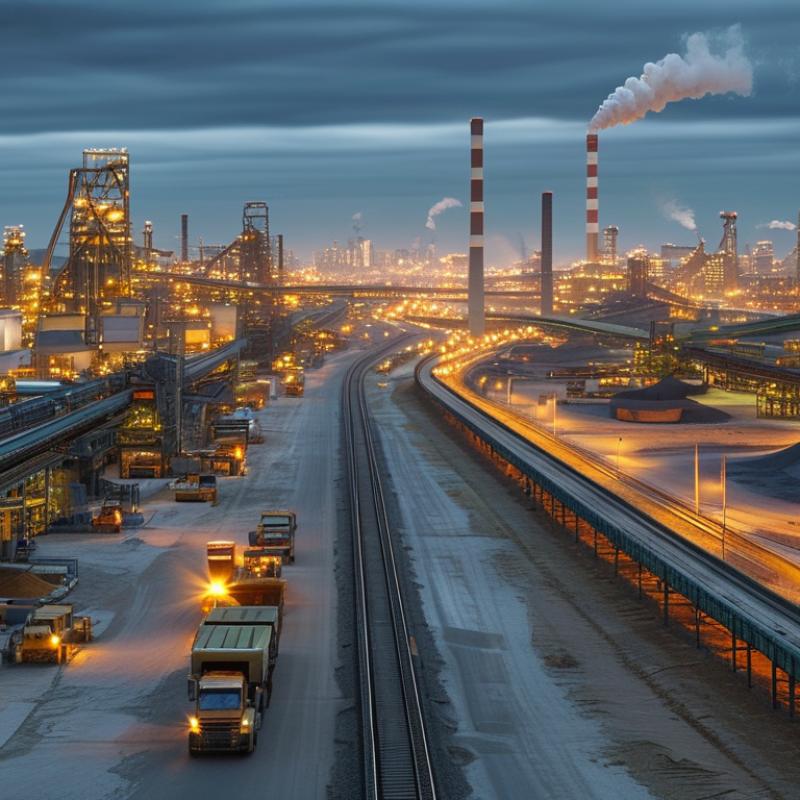
Emerging Innovations in Industrial Belting for 2026
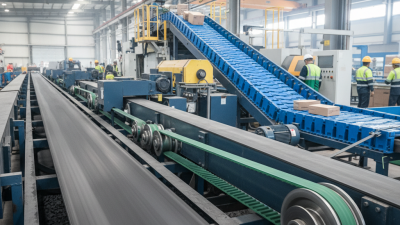
Emerging innovations in industrial belting for 2026 are transforming the industry landscape. New materials are being developed to improve durability and efficiency. For example, research shows a shift towards synthetic options that can withstand harsh environments. This offers businesses increased longevity in their operations.
Additionally, smart technology integration is becoming a game changer. IoT-enabled belts monitor performance in real-time. This can lead to predictive maintenance, minimizing downtime. According to a recent industry report, companies that adopt smart solutions can cut maintenance costs by up to 30%. However, the initial investment can be a barrier for some businesses.
Sustainability is another critical trend. Many manufacturers are focusing on eco-friendly materials. The global demand for recycled products is on the rise. Yet, it’s important to evaluate the efficacy of these sustainable solutions. The need for robust performance remains paramount. Buyers must weigh the trade-offs carefully during their procurement processes.
Key Materials Driving the Future of Industrial Belts
The industrial belting sector is set to evolve significantly by 2026. The materials used in these belts are crucial. Advanced polymers, such as thermoplastic elastomers, offer enhanced durability and flexibility. These materials can withstand extreme temperatures and resist abrasion effectively. Additionally, they are lightweight, which translates to energy savings in operations.
Another notable development is the increase in the use of recycled materials. Sustainability is becoming a priority for many industries. Buyers are now leaning towards eco-friendly options that reduce waste. While these materials offer several benefits, their long-term performance needs careful evaluation. It’s essential to ensure that the quality remains consistent when using recycled components.
The choice of materials can vastly impact belt performance. Some manufacturers are exploring composite materials that combine metals with synthetic fibers. This approach can yield stronger belts that cater to heavy-duty applications. However, there remains a concern about balancing strength with weight. Companies must remain flexible and innovative as they adapt to these trends while addressing potential material shortcomings.
Understanding the Impact of Automation on Belting Solutions
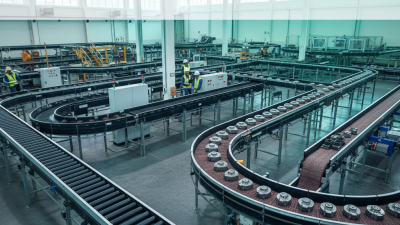
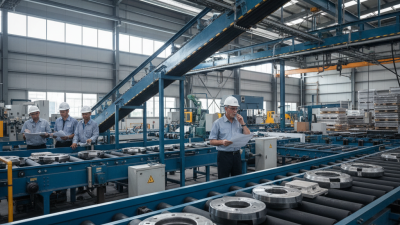
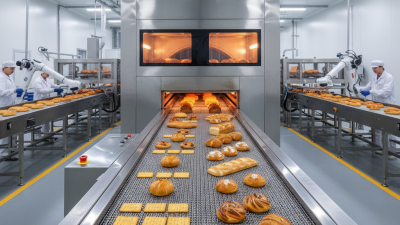
Automation is reshaping numerous industries, and industrial belting is no exception. Advanced technologies are streamlining production processes and enhancing efficiency. Automated systems can adapt quickly to changing demands. This adaptability is crucial for businesses aiming to stay competitive.
The rise of automation also impacts the selection of belting materials. Manufacturers are focusing on durable, lightweight options that withstand high-speed operations. For buyers, understanding how these materials perform under automation is essential. It affects not only productivity but also maintenance costs.
Tips: Consider your specific operational needs carefully. Look for belts that resist wear and minimize downtime. Always ask for data on performance in automated systems. This kind of detailed insight can guide your purchasing decisions effectively. Remember, the right selection can make a significant difference in overall efficiency and profit.
Critical Market Trends for Industrial Belting Buyers in 2026
The industrial belting market is evolving rapidly. Buyers in 2026 need to be aware of critical trends that will shape their purchasing decisions. According to a report by the Global Belting Association, the market is projected to grow by 7% annually, largely driven by advancements in material technology. Buyers should consider the types of materials in use. Rubber, thermoplastic, and fabric belts are all experiencing shifts in demand.
Sustainability is another vital focus. Many manufacturers are moving towards eco-friendly materials. A recent study found that 55% of buyers prioritize sustainability when choosing suppliers. It’s important to ask about production practices and material sourcing. Sustainability isn't just a trend; it's a vital aspect of responsible purchasing.
Tips: Ensure you evaluate suppliers based on their environmental policies. Seek certifications that guarantee sustainable practices. In addition, consider the long-term costs of using different types of belts. Cheaper options may lead to higher maintenance expenses. Reflecting on these aspects can help make informed, strategic decisions in your procurement process.
Sustainability Considerations in Industrial Belt Manufacturing
The focus on sustainability in industrial belt manufacturing is becoming increasingly vital. According to recent industry reports, nearly 70% of manufacturers are now prioritizing eco-friendly materials. This shift reflects a broader trend towards sustainability across various sectors. Many companies are investing in advanced materials that reduce environmental impact while maintaining durability.
Recycled materials play a crucial role in this movement. The use of reclaimed rubber and plastic in belt production not only lowers waste but also conserves resources. For instance, a leading study indicates that using recycled materials can reduce carbon emissions by up to 30%. However, challenges remain. Many manufacturers struggle with sourcing consistent, high-quality recycled inputs. This inconsistency can lead to variations in product performance.
Additionally, lifecycle assessment has become essential. It helps quantify the environmental impact of belts from production to disposal. Still, many companies lack the tools to fully implement these assessments. Improving this aspect requires collaboration across the supply chain. A commitment to transparency and innovation is essential to drive meaningful change. Embracing sustainable practices will ultimately establish a more responsible manufacturing landscape in the industrial belt industry.