2026 Best Wire Mesh Belt Manufacturers Worldwide
Choosing the right Wire Mesh Belt manufacturer in 2026 requires more than comparing catalog prices. Belt performance depends on alloy selection, weave accuracy, weld quality, and documented production controls. In food processing, heat treatment, powder coating, and chemical handling, a small design error can cause uneven loading, product marks, or premature belt failure. Experienced buyers examine wire diameter, pitch, belt width, tensile strength, operating temperature, and cleaning requirements before approving a supplier.
This global guide evaluates leading manufacturers through practical industry criteria. These include manufacturing experience, engineering capability, material traceability, inspection procedures, customization support, delivery reliability, and after-sales service. Factory evidence matters. Clear drawings, sample testing, weld inspections, and operating references provide stronger confidence than polished marketing language. A manufacturer should also explain how its belts perform under real production conditions, including continuous heat, abrasive products, moisture, and repeated washing.
No ranking remains perfect.
Market positions can change as factories expand, technologies improve, or supply chains weaken. Public information may also be incomplete, especially for regional manufacturers. Therefore, each company should be verified through current certificates, technical documents, customer references, and direct communication. This approach helps separate genuine engineering capability from broad claims. It also recognizes an important limitation: the best supplier for a high-temperature furnace may not suit a delicate bakery conveyor. The final decision should match the belt design to the process, not merely to brand visibility or online popularity.
What Wire Mesh Belts Are and How They Work
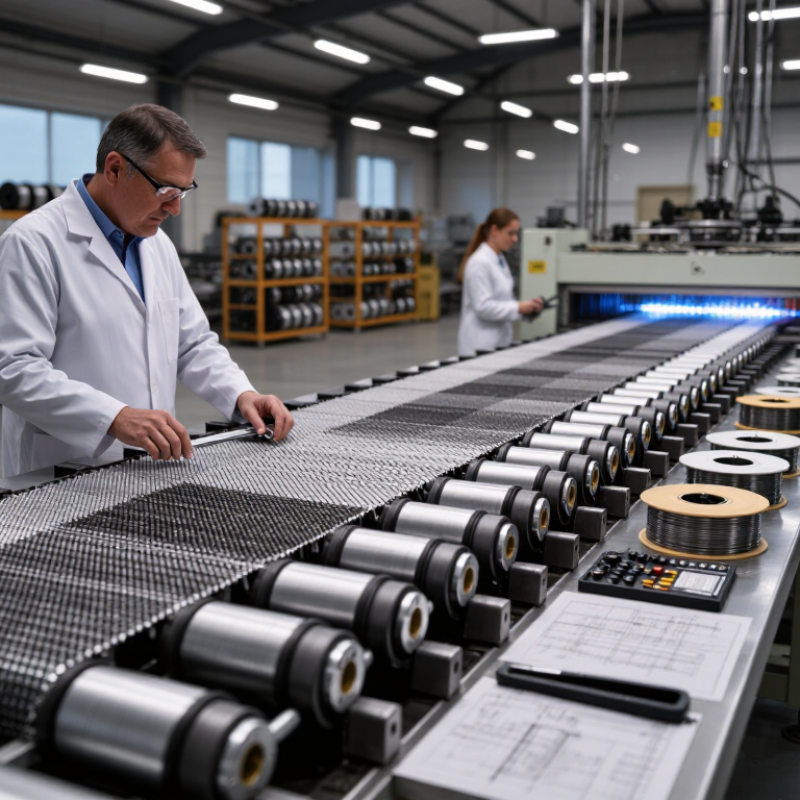
Wire mesh belts are continuous conveyor surfaces made from interlinked metal wires. Their open structure lets air, water, oil, and light pass through during processing. Unlike solid belts, they support products while exposing more of each surface. Common patterns include balanced weaves, rod-reinforced designs, and dense meshes. Selection depends on load, temperature, speed, and product size.
In operation, sprockets or friction drums drive the belt along a controlled path. Edge links keep the mesh aligned, while cross rods carry tension across the conveyor width. A furnace may heat the belt above 800°C, whereas a washing line needs drainage and corrosion resistance. Engineers check wire diameter, pitch, tensile strength, and allowable bend radius before installation. Small openings can hold delicate parts, but they may collect residue more easily. That trade-off is often missed.
From practical maintenance work, tracking problems usually begin with uneven loading, worn sprockets, or poor frame alignment. Operators should inspect joints, welds, and belt tension at scheduled intervals. Measurements should be recorded, not guessed. I have found that a belt can look clean while hidden buildup changes its balance. Cleaning methods must match the alloy and process chemicals. Even a reliable design needs adjustment after real production starts.
How to Assess Wire Mesh Belt Manufacturers Worldwide
How to Assess Wire Mesh Belt Manufacturers Worldwide
Choosing a wire mesh belt manufacturer requires more than comparing prices. According to MarketsandMarkets’ 2024 Conveyor System Market report, automation demand continues to expand across food processing, logistics, and industrial production. This growth makes supplier verification essential. Ask for material certificates, heat-treatment records, and wire diameter tolerances. A reliable manufacturer should identify stainless steel grades by batch, not only by product label. Small details matter.
Inspect production evidence. Request tensile-test results, weld inspection records, and belt-opening measurements from recent orders. ISO 9001 certification supports process control, but it does not guarantee belt performance. The supplier should explain how it manages elongation, edge deformation, and sprocket alignment. According to Grand View Research, the global conveyor belt market is projected to grow steadily through the decade, increasing pressure on capacity and delivery schedules. Check realistic lead times, spare-part availability, and export packaging before signing.
A factory audit can reveal more than a polished catalogue. Look for calibrated measuring tools, clean welding stations, and traceable inspection logs. Ask whether the belt was tested under your actual temperature, load, and washdown conditions. I have found that many evaluations overlook return-belt tracking. That mistake becomes expensive later. Price still matters, but an unusually low quote may hide thinner wire, weaker welds, or limited technical support. Allow room for doubt. Supplier claims should be tested against samples, references, and documented performance data.
Applications, Quality Standards, and Buyer Selection Criteria
2026 Best Wire Mesh Belt Manufacturers Worldwide
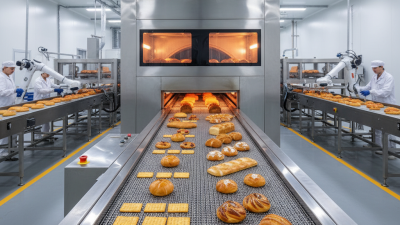
Wire mesh belts support continuous heating, cooling, washing, drying, and conveying. Common users include bakeries, heat-treatment plants, food processors, and electronics factories. Each application demands different mesh openings, belt strength, and temperature resistance. Stainless steel grades are often selected for corrosion control and repeated cleaning. However, material choice should match the actual chemicals, heat cycles, and load.
Quality inspection should cover wire diameter, mesh pitch, belt width, weld consistency, edge finish, and running stability. Reliable manufacturers can provide material traceability, dimensional reports, and load-test records. ISO 9001 certification shows controlled quality processes, but it does not guarantee perfect belt performance. For critical projects, request inspection documents, sample sections, and references from similar applications. A polished sample can still hide poor tracking under production tension. That risk deserves attention.
Tips: Share conveyor speed, operating temperature, product weight, cleaning method, and working width before requesting a quotation. Ask how the supplier handles repairs, spare parts, and installation guidance. Compare total service life, not only the purchase price. Short lead times may look attractive, but rushed welding or weak support can create costly downtime. I would also check communication quality during technical discussions. If answers remain vague, reconsider the supplier. There is no flawless selection process; even experienced buyers can underestimate maintenance conditions.
2026 Best Wire Mesh Belt Manufacturers Worldwide
Buyer selection criteria for applications, quality standards, and supplier evaluation.
The chart presents an illustrative 100-point procurement model. Product fit should be verified against the actual process temperature, load, belt dimensions, material specification, traceability requirements, and applicable quality-management standards such as ISO 9001 and relevant ASTM or EN wire specifications.