Top 10 Benefits of Using Thermal Oven Belt for Your Business?
In the fast-paced world of manufacturing, efficiency is vital. A Thermal Oven Belt can significantly enhance production quality and speed. According to a recent report by the Manufacturing Efficiency Institute, businesses using thermal oven belts saw a 30% reduction in processing time. This innovative technology ensures uniform heating, leading to consistent product output.
Expert Robert Lang, a seasoned engineer in thermal processing, emphasizes the importance of this technology: “Investing in a Thermal Oven Belt is investing in your product’s future.” With this equipment, businesses can improve their workflow and minimize waste.
However, the transition to using thermal oven belts is not without challenges. Companies need to consider setup costs and training for staff. Thorough testing and adjustments may also be necessary. Despite these hurdles, the long-term benefits can outweigh initial drawbacks, leading to a more competitive edge in the market.
Benefits of Improved Energy Efficiency in Thermal Oven Belts
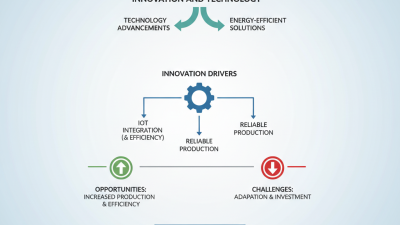
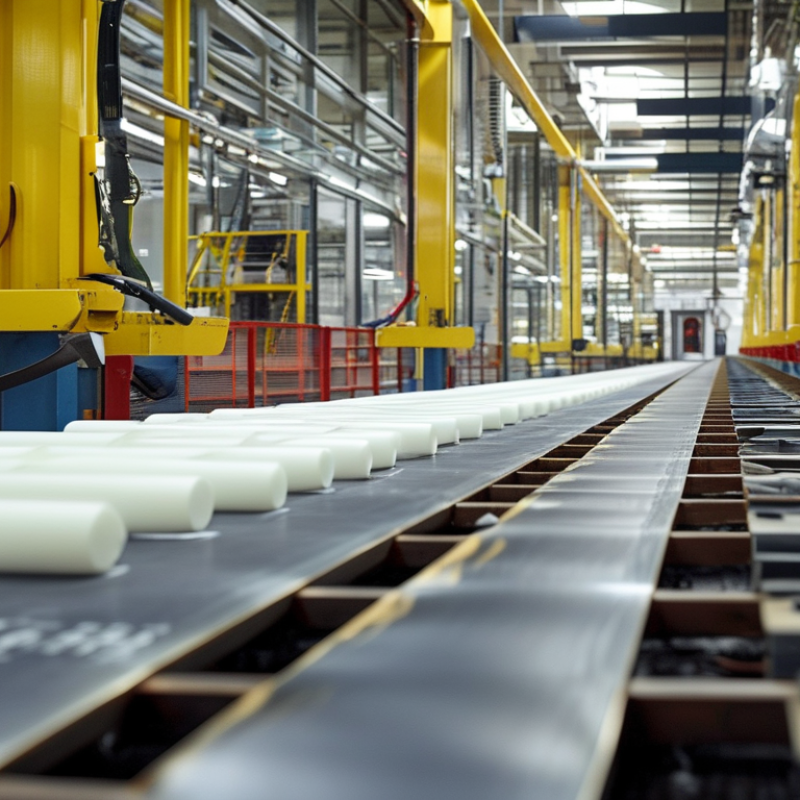
Energy efficiency plays a pivotal role in the performance of thermal oven belts. According to industry reports, using advanced thermal oven belts can result in up to 30% energy savings. This reduction not only lowers operational costs but also enhances overall productivity. Businesses can achieve higher output with lower energy consumption, making it an attractive option for manufacturers seeking to improve their bottom line.
Moreover, efficient thermal oven belts contribute to reduced carbon emissions. A study by the Energy Efficiency and Renewable Energy department indicates that switching to energy-efficient systems can cut greenhouse gas emissions by 15%. This transition is not just beneficial for the environment. It also reflects positively on a company’s reputation among environmentally-conscious consumers. Improving energy efficiency can, therefore, be a key differentiator in a competitive market.
However, achieving these benefits involves careful consideration. Transitioning to a new thermal oven belt system requires upfront investment and adaptation. Many businesses might underestimate the time needed for training staff and integrating new machinery. It is crucial for companies to plan adequately and assess both short-term and long-term impacts before making such changes. Energy efficiency is not merely about switching equipment; it involves a strategic approach to operations.
Top 10 Benefits of Using Thermal Oven Belt for Your Business
Enhanced Product Quality Through Consistent Temperature Control
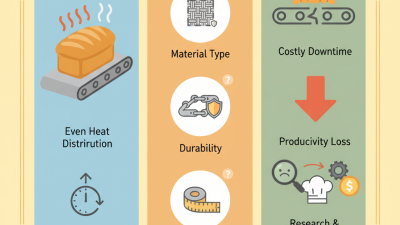
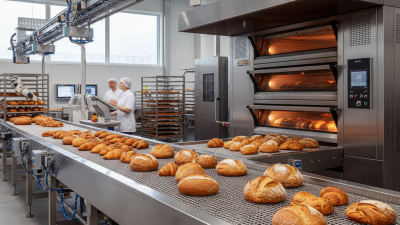
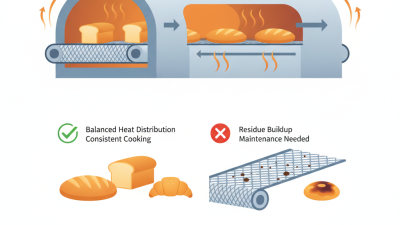
Thermal oven belts play a crucial role in maintaining product quality. By ensuring consistent temperature control, businesses can achieve uniform results across large production runs. This precision minimizes variations, resulting in higher-quality products. The importance of even heat distribution cannot be overstated, especially when dealing with sensitive materials. It allows for optimal cooking or curing processes, leading to better flavor, texture, and overall appeal.
Tips: Regularly monitor and maintain the thermal oven belt. Check for wear and tear. This simple act can prevent costly interruptions and ensure efficiency. It’s also beneficial to train staff on proper handling. Knowledgeable employees can significantly enhance production quality.
However, businesses must recognize that not all thermal belts are created equal. Analyze specific needs before making a purchase. The incorrect choice may lead to inconsistent results, affecting product quality adversely. Reflecting on past experiences can guide future decisions and improve overall outcomes. Quality control should always be a continuous process, rather than a one-time effort. Evaluate performance regularly to catch potential issues early.
Increased Production Speed and Efficiency with Advanced Conveyor Systems
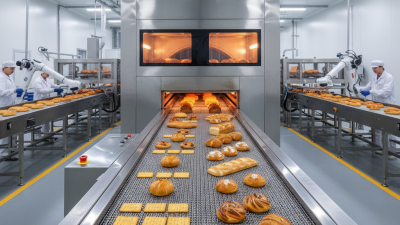
In today's competitive manufacturing landscape, increased production speed and efficiency are crucial. Advanced conveyor systems, such as thermal oven belts, play a significant role in achieving these goals. Research indicates that using high-quality conveyor systems can enhance production rates by 25% or more. They ensure a steady flow of materials through various processing stages, minimizing downtime and manual handling.
The right thermal oven belt can significantly improve workflow. For instance, a well-designed system maintains consistent temperatures, ensuring uniform cooking or processing. This consistency is vital for product quality. However, businesses must be cautious. Not all thermal belts are built equally. Choosing the wrong type can lead to inefficiencies and wasted resources. A 2022 industry report noted that improper selection could result in production losses of up to 15%.
Investing in advanced conveyor systems often requires substantial initial capital. Balancing this investment against potential gains can be challenging. Nonetheless, the long-term benefits frequently outweigh the costs. Companies that leverage state-of-the-art thermal oven belts report not only improved output but also reduced energy consumption. In an era where sustainability is paramount, such efficiency gains are vital for both the bottom line and environmental responsibility.
Reduction in Labor Costs Due to Automation Integration
One notable benefit of using a thermal oven belt is the significant reduction in labor costs. Automation has transformed many aspects of food production and manufacturing. By integrating thermal oven belts, businesses can minimize the need for manual labor. Employees spend less time monitoring ovens. This shift allows them to focus on more critical tasks, improving overall efficiency.
Automating cooking processes leads to consistent results. With less human intervention, the products created maintain quality and uniformity. Such reliability can be challenging to achieve when relying heavily on manual inputs. Additionally, businesses can allocate labor more strategically, allowing workers to engage in tasks that require higher skill levels.
However, transitioning to automation isn’t without challenges. Some employees may feel threatened by the changes. Training might be necessary to help them adapt to new technology. Investment in automation also demands careful financial planning. Understanding these challenges is crucial. Yet, the potential savings on labor costs can be substantial and worth the effort. Investing in automation can reap long-term benefits for businesses committed to growth and productivity.
Minimized Downtime with Durable and Low-Maintenance Oven Belts
Using durable and low-maintenance thermal oven belts can significantly reduce downtime in manufacturing processes. According to industry reports, downtime can cost businesses up to $250,000 per hour. Traditional oven belts often require frequent replacements, disrupting workflows and leading to productivity losses. In contrast, high-quality thermal oven belts are designed to minimize wear and tear, extending their lifespan and improving operational efficiency.
Studies show that businesses using advanced oven belt technologies experience a 30% reduction in maintenance-related stoppages. This is crucial for industries where continuous operation is key. Regular maintenance is still necessary, but modern belts are engineered to withstand high temperatures and abrasive conditions. This means fewer failures and less time spent on repairs.
However, not all thermal oven belts are created equal. Companies should be careful in choosing the right materials and specifications for their needs. An ill-suited belt can still lead to inefficiencies and unexpected breakdowns. Businesses need to assess their specific applications to make informed decisions. Balancing performance with durability is an ongoing challenge that requires constant attention.