Leave Your Message

Top 10 Benefits of Using Continuous Oven Mesh Belt in Baking Industry?

The baking industry has seen remarkable advancements with technologies like the Continuous Oven Mesh Belt. This innovation optimizes baking processes and enhances product quality. According to a report by Grand View Research, the market for industrial ovens is projected to grow significantly, emphasizing the need for efficient baking solutions.

Experts in the field, such as Dr. Samuel Hayes, highlight the impact of this technology. He states, "The Continuous Oven Mesh Belt transforms traditional baking methods, ensuring even heat distribution and consistent results." This specific design allows for better airflow and moisture control, which is vital for achieving the perfect crust and texture in baked goods.

However, the transition to a Continuous Oven Mesh Belt may not be seamless for all operations. Some bakeries struggle with the initial investment costs, and training staff to adapt can be challenging. A critical assessment of these factors is essential for any business considering this upgrade. Balancing cost with the long-term benefits is a reflection worth pondering in this rapidly evolving segment.
Top 10 Benefits of Using Continuous Oven Mesh Belt in Baking Industry?

Benefits of Continuous Oven Mesh Belts in Baking Process Efficiency

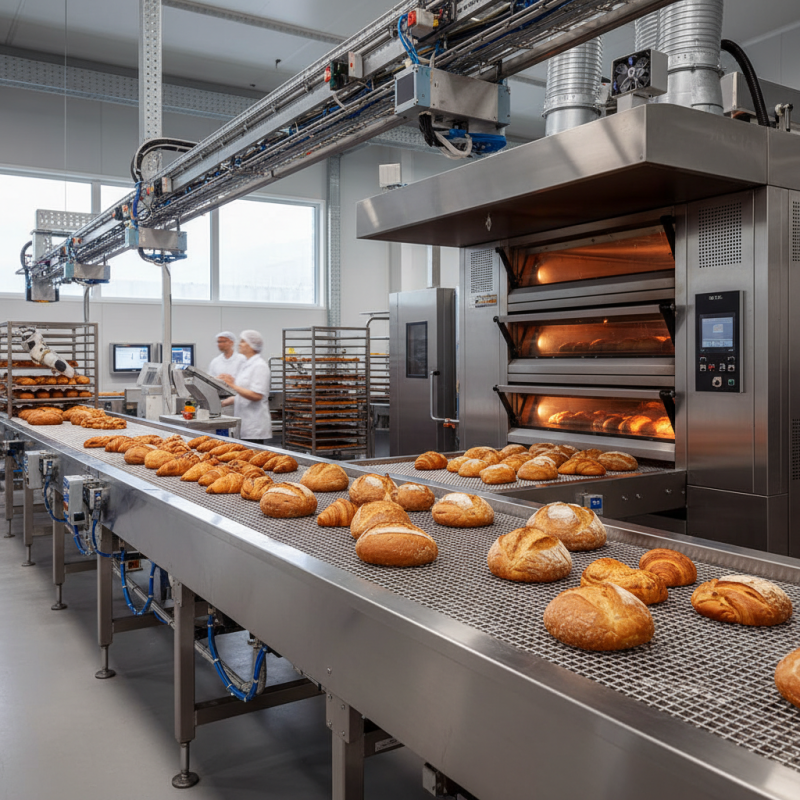
In the baking industry, continuous oven mesh belts are transforming efficiency. Reports indicate that these belts can reduce baking time by up to 20%. This reduction in time leads to increased production without sacrificing quality. The uniform heat distribution provided by mesh belts ensures that each product is perfectly baked.

Using these belts enhances airflow around the products, improving the consistency of the final product. A study suggested that improved airflow can decrease baking energy by approximately 15%. This efficiency not only cuts costs but also supports sustainable practices in the industry.

Tips: Regularly inspect your mesh belts for wear and tear. This maintenance can prevent unexpected downtime. If belts are not properly maintained, it may lead to inconsistent baking results or even product loss. Investing in quality monitoring systems can also ensure precise temperature control, optimizing your baking process.
Enhanced Airflow and Heat Distribution in Baking Operations

Top 10 Benefits of Using Continuous Oven Mesh Belt in Baking Industry?

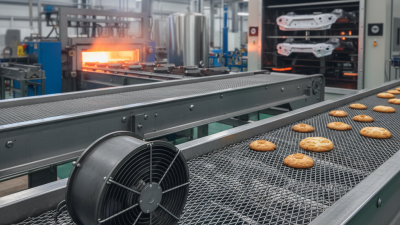
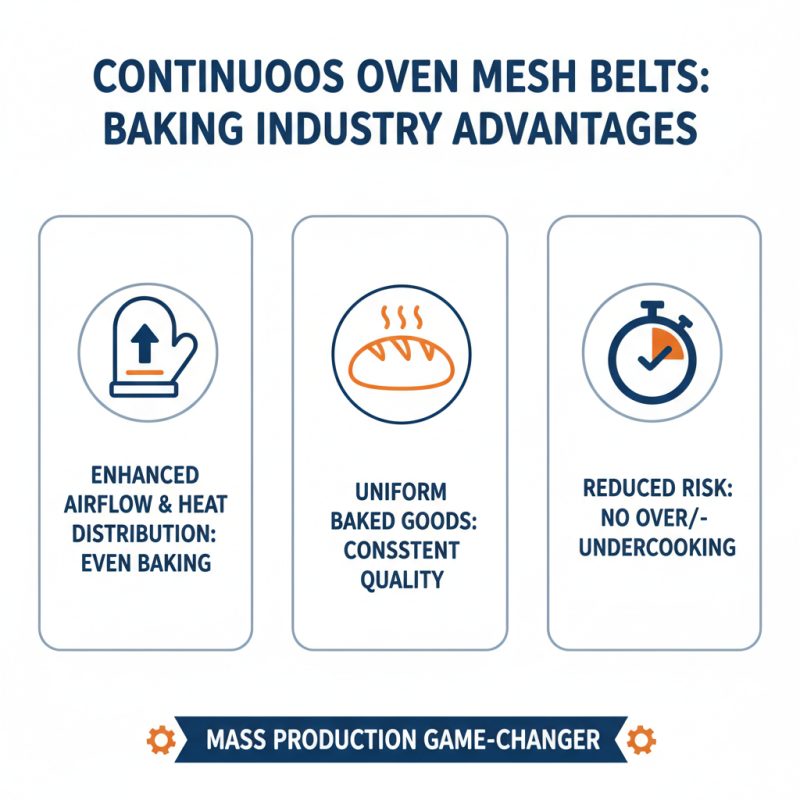
In the baking industry, continuous oven mesh belts offer significant benefits. The enhanced airflow and heat distribution are crucial. This technology ensures that heat envelops the baked goods evenly. As a result, items bake more uniformly. There is less risk of overcooking or undercooking certain areas. It is a game-changer for mass production.

When considering a baking setup, remember airflow matters. A well-designed mesh belt allows hot air to circulate freely. This feature prevents cold spots. It also helps maintain consistent temperatures. When goods move through the oven, they receive the same exposure to heat. This consistency is essential for achieving perfect results every time.

Tip: Keep the mesh belt clean and well-maintained. It can affect airflow. Regular checks prevent buildup. Additionally, ensure your oven settings match the belt type. Not all belts are the same. Experiment to find the perfect alignment. Ultimately, the right mesh belt can elevate your baking. Improving outcomes requires thoughtful selection and careful monitoring.

Improved Product Quality and Consistency with Mesh Belts

In the baking industry, achieving consistent product quality is crucial. Continuous oven mesh belts play a vital role in enhancing this consistency. Research indicates that using mesh belts can reduce temperature fluctuations by up to 30%. This stabilizes the baking process and ensures uniform cooking. The mesh design allows for optimal airflow, promoting even heat distribution.

Moreover, the ability to handle various product sizes efficiently is another significant benefit. Mesh belts can accommodate different shapes without compromising quality. They minimize breakage, which is essential for delicate items like pastries. A report from an industry standards organization noted that using mesh belts can lead to a 25% reduction in product defects.

However, the transition to mesh belts is not without challenges. Some bakers may struggle with initial setup and adjustment. There can be a learning curve that requires staff training, potentially disrupting production. Balancing these factors is essential for long-term success. Nonetheless, the positive impact on product quality and consistency makes mesh belts a valuable asset in modern baking.

Top 10 Benefits of Using Continuous Oven Mesh Belt in Baking Industry

Benefit Description Impact on Quality
Improved Heat Distribution Ensures even baking temperatures across the entire belt. Reduces hot spots, enhancing product consistency.
Increased Production Speed Facilitates continuous baking processes, maximizing output. Higher throughput with consistent quality.
Better Product Texture Promotes optimal moisture retention during the baking process. Improves crust and crumb quality.
Reduced Downtime Efficient operation leads to less frequent maintenance stops. Enhances overall productivity.
Enhanced Product Handling Mesh design allows for easier transfer of products through the oven. Minimizes breakage and improves product integrity.
Consistent Bake Time Each product experiences the same time and environment in the oven. Standardizes product quality across batches.
Temperature Control Allows for precise adjustments to baking temperatures. Ensures optimal baking results.
Durability High-quality materials withstand harsh oven environments. Reduces the risk of equipment failure.
Energy Efficiency Optimized design minimizes energy consumption. Lowers operating costs.
Versatility Can be used for a wide range of products and recipes. Enhances product offerings.

Durability and Maintenance Advantages of Continuous Oven Belts

Top 10 Benefits of Using Continuous Oven Mesh Belt in Baking Industry?

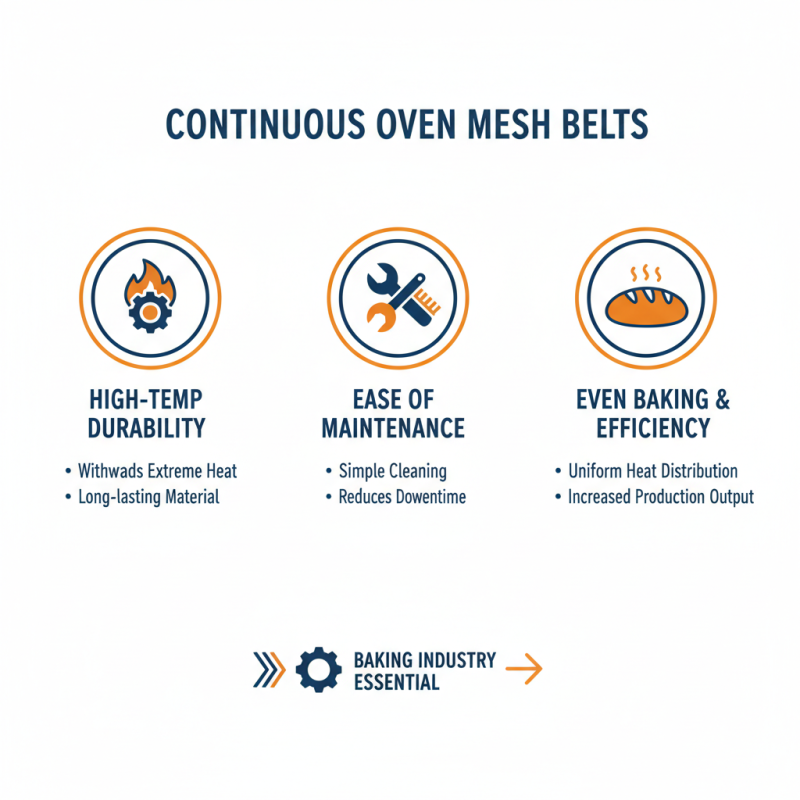
Continuous oven mesh belts are integral to the baking industry. These belts are designed to offer durability and ease of maintenance. They withstand high temperatures while safely transporting baked goods. This mesh structure allows for even heat distribution, minimizing the risk of uneven baking. A well-maintained belt operates more efficiently, which can enhance overall production.

Maintenance is crucial for the longevity of these belts. Regular cleaning helps prevent the buildup of residue, which can affect performance. Operators should inspect belts frequently for wear and damage. While some may think maintenance is tedious, neglecting it can lead to costly downtime. A fine balance between operation and upkeep is necessary. Over time, even a durable belt may show signs of wear. Addressing these issues promptly can save significant resources.

While continuous oven belts have clear advantages, they also require proper handling. Mishandling during installation could lead to misalignment, hampering efficiency. Training staff on correct usage is vital. Even minor adjustments can drastically improve performance. Ultimately, investing in the right practices can lead to a truly effective baking process.

Cost Savings and Energy Efficiency in Baking Production Systems

In the baking industry, continuous oven mesh belts offer significant cost savings and energy efficiency. According to a recent industry report, adopting these systems can reduce energy consumption by up to 25%. This reduction comes from improved heat distribution and reduced cooking times. Faster cooking not only increases output but also lowers energy costs.

Another aspect is maintenance. Continuous mesh belts generally require less maintenance compared to traditional ovens. A study found that businesses cut their repair costs by nearly 15% with regular use of these systems. However, while durable, they do wear out over time. Tracking the lifespan of belts is vital to avoid unexpected downtime.

The initial investment in continuous oven systems can be substantial. Yet, businesses often see a return on investment within two years. Cheaper, higher-quality ingredients are increasingly used to offset costs. Yet, some companies still hesitate. The balance of quality and savings remains a point of reflection. Ultimately, the benefits often outweigh the concerns, especially when aiming for long-term efficiency.