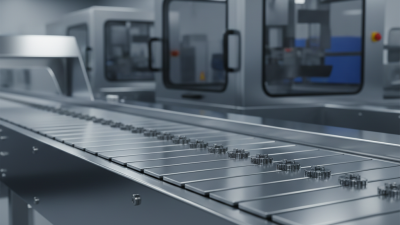
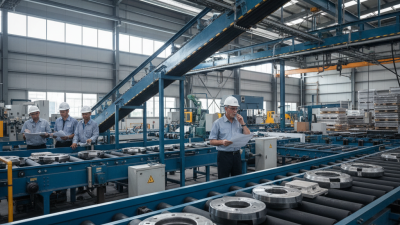
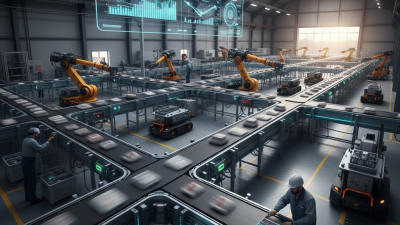
In today's competitive landscape, the role of an Industrial Conveyor Belt is crucial. It serves as the backbone of many manufacturing processes. Companies rely heavily on these belts to enhance productivity and streamline operations.
An Industrial Conveyor Belt improves efficiency while reducing manual labor. This leads to faster production times. Additionally, it minimizes the risk of errors during material handling. Productivity gains can be substantial, but implementation can be tricky.
Investing in quality conveyor belts can be daunting. However, the potential benefits are clear. Understanding these advantages can lead to better decision-making for your business. The impact of an Industrial Conveyor Belt can vary, but its importance remains undeniable.
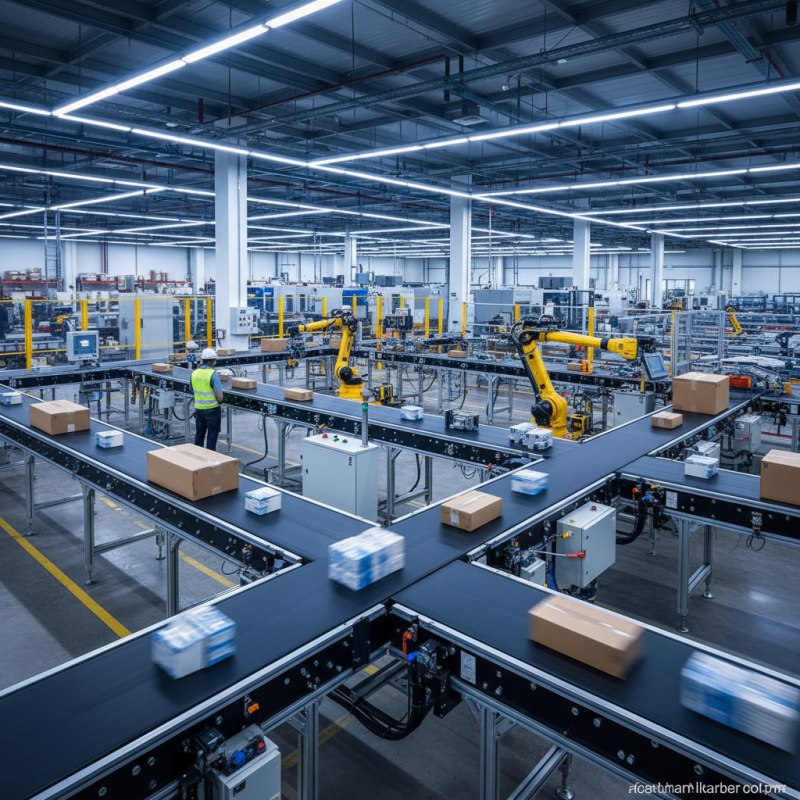
Industrial conveyor belts play a vital role in streamlining operations across various sectors. They enhance efficiency by allowing products to move seamlessly along a designated path. This minimizes manual handling, reducing the risk of injuries and increasing productivity. Workers can focus on more complex tasks instead of repetitive movements. However, there are times when maintenance is overlooked. Regular checks are crucial to avoid unforeseen downtime.
Additionally, conveyor belts optimize space usage in facilities. They enable vertical and horizontal movement of goods, making it easier to utilize available areas. This can lead to better organization of stock and quicker access to needed materials. Yet, not all conveyor setups are created equal. The design must cater to specific needs. Improperly laid out systems can create bottlenecks rather than alleviate them.
The adaptability of conveyor belts is another advantage. They can be customized to fit various production lines and industries. This flexibility comes in handy when businesses expand or alter their operations. Nevertheless, some companies underestimate the initial investment. It’s important to evaluate long-term benefits over short-term costs. A thorough analysis can ensure that the decision to implement conveyor systems is sound.
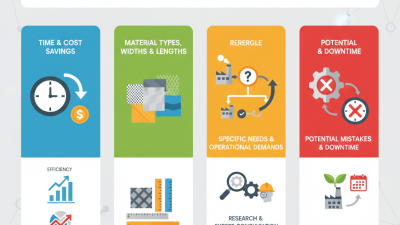
This chart illustrates the key advantages of industrial conveyor belts for streamlining operations in businesses. The benefits presented are based on common industry insights.
Conveyor belt systems significantly enhance productivity in various industries. According to a report by the Material Handling Industry of America, using conveyor belts can increase operational efficiency by up to 25%. This is particularly evident in manufacturing sectors where time is crucial. They streamline processes by automating material handling. With reduced manual transport, companies can redirect labor towards more valuable tasks.
Moreover, conveyor belts can minimize workplace injuries. Manual handling is often a leading cause of accidents. A study from the Occupational Safety and Health Administration indicates that automating material transport reduces injury rates by 30%. However, it's crucial to ensure proper training. Workers must understand how to operate these systems safely.
Incorporating conveyor systems requires an upfront investment. Many businesses hesitate due to costs. Yet, the long-term savings often justify this initial expense. Efficiency improvements can lead to increased revenue. However, it's important to regularly assess and update these systems. Neglecting maintenance can lead to breakdowns, reducing overall productivity. Balancing initial costs with ongoing operational needs is essential for sustained success.
| Benefit | Description | Impact on Business |
|---|---|---|
| Increased Efficiency | Streamlines material handling processes and reduces manual labor. | Boosts overall productivity and reduces operational costs. |
| Enhanced Safety | Minimizes accidents and injuries related to heavy lifting. | Creates a safer work environment, reducing insurance costs. |
| Reduced Labor Costs | Less reliance on manual labor allows for workforce optimization. | Lowers payroll expenses while maximizing output. |
| Improved Product Handling | Facilitates smoother transitions between different production stages. | Enhances product quality through consistent handling. |
| Versatility | Can be customized to fit a variety of applications and industries. | Supports diverse operational needs, enhancing adaptability. |
| Consistent Workflow | Provides a continuous flow of materials without interruptions. | Maintains production schedules and meets deadlines effectively. |
| Reduced Downtime | Less frequent breakdowns and maintenance leads to uninterrupted operations. | Increases profitability by maximizing production time. |
| Cost-Effective | Long lifespan and low maintenance requirements reduce total costs. | Improves return on investment over time. |
| Easy Integration | Can be easily incorporated into existing production lines. | Facilitates upgrades without significant disruptions. |
| Environmental Benefits | Can reduce waste and energy consumption in processes. | Contributes to sustainability goals and improves brand image. |
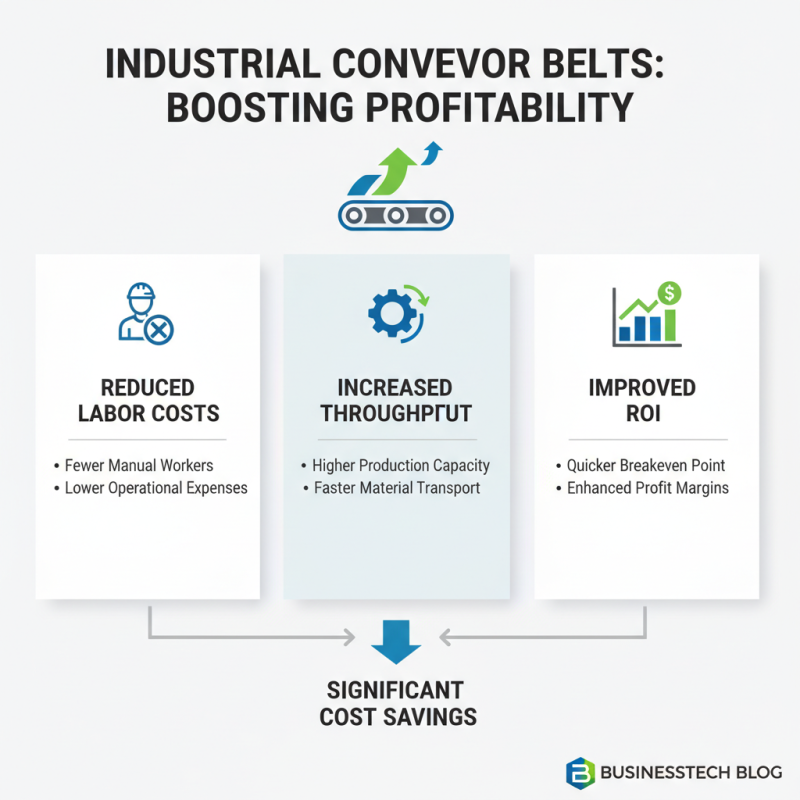
Integrating industrial conveyor belts can significantly enhance cost savings for businesses. These systems reduce the need for manual labor. With fewer workers needed for transporting goods, operational costs drop. Additionally, conveyor belts increase throughput, allowing for higher production levels. This results in a better return on investment (ROI).
Consider the potential hidden costs of your current operations. Manual handling can lead to delays and errors. Mistakes in transportation can be costly. A misrouted product or damaged goods can lead to losses. Improving efficiency through conveyor integration helps mitigate these risks.
Tips for successful integration include thorough planning. Analyze your current workflow before implementation. Identify bottlenecks and how conveyor belts can address them. Training staff is crucial. Make sure they understand how to operate the new system. Investing time in training can prevent mishaps and boost productivity.
Remember that not all systems are perfect for every business. Regularly review the effectiveness of the conveyor belt system. If performance dips, consider adjustments. Continuous improvement can lead to ongoing savings and efficiency.
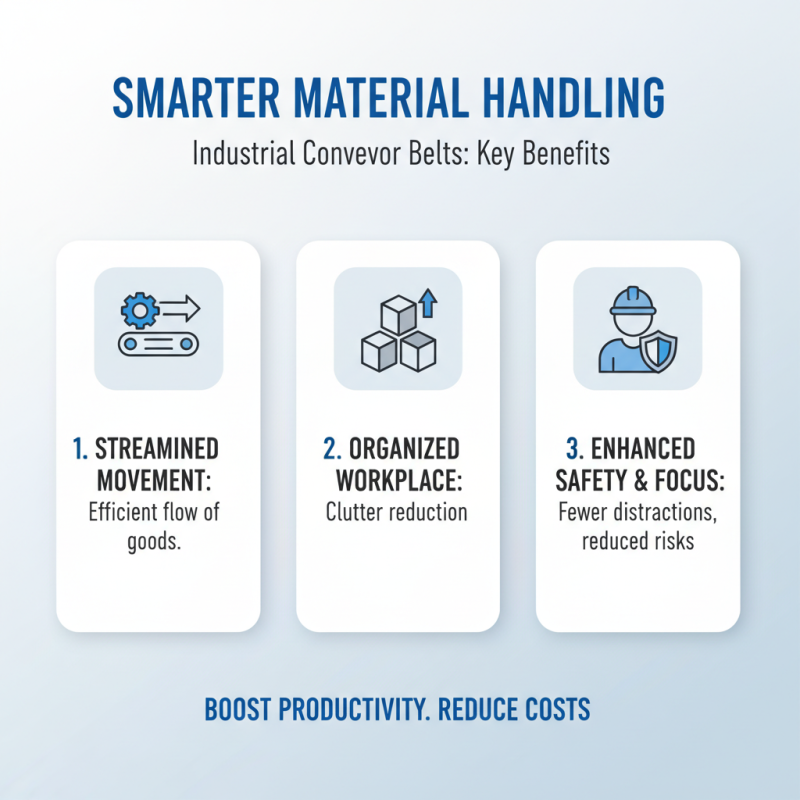
Improving material handling is essential for any workplace. Industrial conveyor belts play a crucial role in this area. They streamline the movement of goods, leading to a more organized environment. When materials are moved efficiently, employees can focus on their tasks. This reduces distractions and improves overall safety.
Workplace accidents often arise from poor material handling practices. Heavy lifting and manual transportation can lead to injuries. Conveyor belts minimize these risks by automating the transport process. They allow for safer loading and unloading of materials. Workers are less likely to strain themselves. This change not only protects staff but also boosts productivity.
However, it's not all perfect. There are challenges in implementing conveyor systems. Businesses must ensure proper training for employees. Neglecting safety protocols can still lead to accidents. Regular maintenance of conveyor belts is also crucial. If not maintained, they can become hazardous. Investing in the right systems is important, but it also requires ongoing commitment to safety practices.
Industrial conveyor belts are essential in various applications. Their versatility makes them valuable in many sectors. Factories, warehouses, and distribution centers rely on conveyor systems. They move items efficiently, reducing manual labor. Different materials and designs suit various needs.
Many businesses face challenges using conveyor belts. Selecting the right type can be difficult. Understanding load capacity and belt material is crucial. Different products require different settings. For instance, food-grade belts must meet safety standards. However, sometimes companies overlook these details.
**Tip:** Always assess your specific needs before investing. Analyze your workflow to find the best solution.
In manufacturing, conveyor belts handle everything from raw materials to finished goods. They simplify processes, increase speed, and minimize errors. Yet, operators must monitor the systems regularly. Wear and tear can lead to inefficiencies. A small delay can disrupt the entire production line.
**Tip:** Regular maintenance is vital. Schedule routine checks to avoid unexpected breakdowns.
Choosing the right conveyor system promotes productivity. Additional features like speed control can adapt to different tasks. Proper training for staff ensures smooth operation. However, training takes time and resources. This investment can yield significant returns.