How to Choose the Best Industrial Oven Belt for Your Needs?
When selecting an Industrial Oven Belt, there are several crucial factors to consider. The right belt enhances efficiency and affects the overall performance of your operations. With numerous options available, each choice carries implications for durability and cost.
Different industries have unique requirements. Food production, textiles, and electronics may need specific materials or designs. Choosing an Industrial Oven Belt without understanding these needs can lead to issues. Common problems include premature wear or insufficient temperature resistance.
Decision-making in this realm can feel overwhelming. It’s essential to research reliable suppliers and expert recommendations. Balancing quality against budget is vital. Seek out insights from users who have faced similar challenges. Learning from others can help you avoid common pitfalls in the selection process. The right belt can transform your workflow, but the journey to find it may be complex.
Understanding the Different Types of Industrial Oven Belts
Understanding the different types of industrial oven belts can significantly enhance your production process.
Conveyor belts come in various materials, including silicone, mesh, and PTFE. Each type has unique properties that suit specific cooking methods.
For instance, silicone belts are often used for their heat resistance.
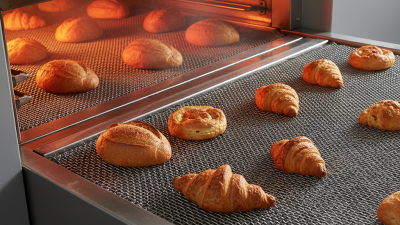
Mesh belts, on the other hand, allow for better air circulation. PTFE belts offer non-stick properties, making them ideal for sticky food products.
When choosing a belt, consider the temperature range and cooking time. Not all belts can withstand high temperatures. Additionally, check how easy it is to clean and maintain the belt. Maintenance is crucial for longevity. A badly maintained belt can lead to unexpected failures, causing operational delays.
Tip: Always consult with a specialist when unsure about the right belt. They can provide insights based on your specific needs.
Remember, the environment in which the belt operates matters too.
Humidity and chemical exposure can affect belt performance. Don't overlook the importance of proper installation. A poorly aligned belt can lead to uneven cooking and wear.
Regular inspections can help catch issues early.
Evaluating Material Options for Industrial Oven Belts
When selecting the right material for your industrial oven belt, consider your production needs carefully. Common materials include silicone, PVC, and fiberglass. Each has unique properties that can affect performance. Silicone belts are heat-resistant and durable but may not be ideal for all temperatures. PVC belts are versatile but can degrade under extreme heat. Fiberglass offers strength and stability but comes with a higher price tag.
Tips: Always check the temperature range for each material. Ensure compatibility with your oven's specifications. Remember that the right belt can improve efficiency and product quality.
Think about environmental factors too. Some materials may not handle humidity or corrosive substances well. If your production involves varying processes, flexibility in material choice is crucial. Contemplate if you’ll need a specific texture or coating for your products.
Tips: Evaluate the wear and tear of the belt in real-world conditions. Look for feedback from users in similar industries. Experimentation may be necessary to find the perfect balance between performance and cost.
Considerations for Size and Compatibility with Your Equipment
When selecting an industrial oven belt, size and compatibility are critical. A comprehensive industry report by the American Society of Baking highlights that nearly 30% of oven-related inefficiencies stem from improper belt dimensions. An incorrect size can impact temperature distribution and airflow, leading to uneven baking. Therefore, it is essential to measure your equipment precisely before making a choice.
Compatibility with your existing machinery is another vital factor. Each industrial oven has specific requirements concerning belt material and thickness. An industry survey indicated that 40% of users reported operational challenges due to mismatched belts. Reflecting on these findings, it’s clear that investing time in assessing compatibility can enhance efficiency. For example, a belt that does not fit well may wear out quickly or cause unexpected downtimes.
Understanding the nuances of different materials can also guide your decision. There's a range of materials from Teflon to stainless steel, each exhibiting distinct properties. Industry standards suggest that functionality and durability considerations should drive your choice of material. Opting for a belt that suits your specific processes can eliminate potential problems down the line. It's not just about immediate needs; long-term considerations should be part of your decision-making.
Assessing Temperature and Load Capacity Requirements
When selecting an industrial oven belt, temperature and load capacity requirements are critical. Most industrial ovens operate within a temperature range of 100°F to 500°F (38°C to 260°C). This range ensures that the materials being processed reach the desired consistency without risk of damage. According to industry reports, the choice of belt material directly impacts the oven's efficiency. For example, high-temperature resistant materials can withstand extreme conditions, which is essential in certain manufacturing processes.
Load capacity is equally important. The average load can vary significantly depending on the specific application, with some belts designed for light products weighing less than 50 pounds and others rated for heavyweight loads exceeding 1,000 pounds. A mismatch in load capacity can lead to premature wear or failure of the belt. Not only does this affect production efficiency, but it also escalates maintenance costs over time. Many operations overlook the need to regularly assess their load specifications, leading to inefficient belt usage.
Additionally, the belt width and length must align with operational setups. Belts that are too narrow can cause product spillage, while excessively wide belts may not fit in standard oven designs. Understanding the specific dimensions required can enhance workflow and minimize unnecessary downtime. It is crucial to engage in ongoing evaluations and consultations with engineering experts to ensure the right fit for both current and future needs. Regularly revisiting these specifications can significantly impact operational success.
Maintenance Tips for Longevity of Industrial Oven Belts
When it comes to maintaining industrial oven belts, proper care is essential for longevity. Regular inspection is crucial. Check for wear and tear regularly. Small frays can lead to bigger issues. A simple visual inspection can reveal whether your belts are functioning properly. If you notice any damage, replace them quickly. Delaying repairs can be costly.
Clean the belts routinely to ensure optimal performance. Use a soft cloth or brush to remove debris. A clean belt reduces friction, extending its lifespan. Avoid using harsh chemicals; they can degrade the materials. Instead, opt for mild soaps or approved cleaners. Inconsistent maintenance can lead to inefficiencies over time.
Temperature control is another critical aspect. Ensure that the oven does not exceed recommended temperature limits. Excessive heat can warp or damage the belt. Monitor the environment regularly to avoid fluctuations. Remember, neglecting these details may lead to unexpected downtimes. Your attention to these maintenance tips can significantly impact the performance of the oven belts.
Industrial Oven Belt Performance Comparison