2026 How to Choose the Right Thermal Oven Belt for Your Needs?
Choosing the right Thermal Oven Belt is crucial for efficiency and productivity in various industries. Renowned thermal technology expert Dr. Emily Carter once noted, "The right belt can change the entire baking process." This insight highlights the importance of selecting a Thermal Oven Belt tailored to specific operational needs.
Quality, durability, and compatibility are key components in the decision-making process. Different materials and designs impact performance and longevity. For instance, if a facility requires consistent heat distribution, a specialized belt might be necessary. Understanding the specific application can help in making a well-informed choice.
Moreover, many users overlook the maintenance and wear aspects of a Thermal Oven Belt. A belt that seems ideal today may not perform well under heavy usage. Taking time to analyze the requirements and potential challenges is essential. This reflection can lead to better long-term results and improved productivity.
Understanding Thermal Oven Belts and Their Applications
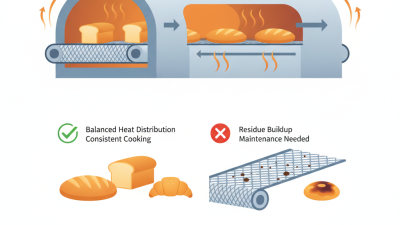
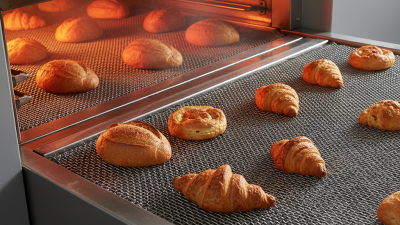
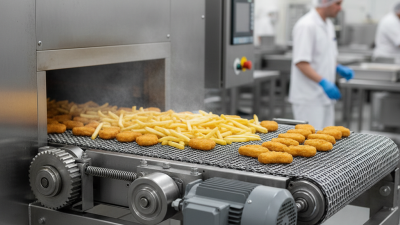
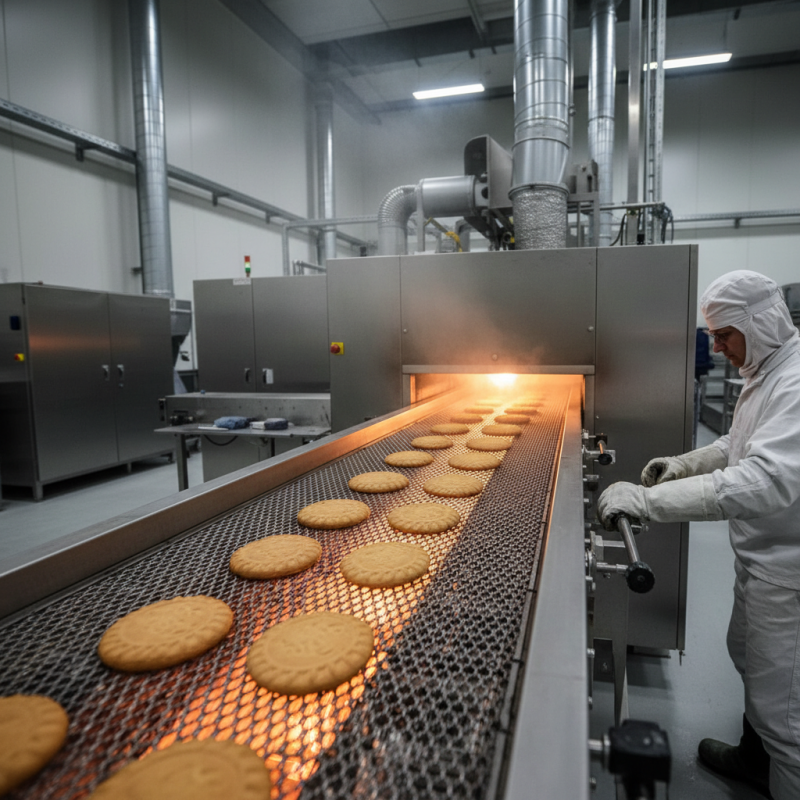
Thermal oven belts play a crucial role in many industrial processes. They transport products through oven zones, ensuring consistent heat distribution. The right belt is essential for efficiency and quality. Understanding the materials and designs available can significantly affect productivity.
Different applications require specific features. For example, food industries often need belts that can withstand high temperatures and grease. In contrast, textiles may focus on lightweight designs. The choice should consider the materials involved in production, as well as the oven's operational parameters. Incorrect selections can lead to costly downtime.
It's important to evaluate how different materials respond to heat and wear. Some belts might not endure constant exposure, leading to early failure.
Potential for defects can emerge based on temperature fluctuations.
Conducting thorough research and consulting with experts can prevent mistakes. Real-world testing of belts under actual conditions is vital for optimizing performance. Keep refining the process to meet evolving needs.
Key Factors to Consider When Choosing a Thermal Oven Belt
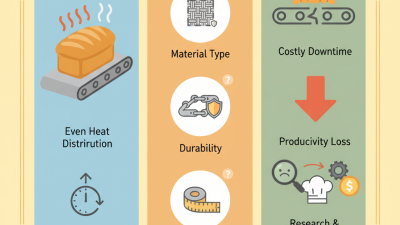
When selecting the right thermal oven belt, three key factors must be considered. Durability is vital. Reports indicate that oven belts withstand temperatures up to 300°C. Selecting a belt made from high-quality materials ensures longevity. Poor-quality belts could fail under intense heat or cause production delays.
The belt's size and compatibility with your equipment is equally crucial. A mismatch can lead to operational inefficiencies. Research shows that improper fitting can reduce efficiency by up to 15%. Regular assessments of your equipment can help ensure that the belt fits perfectly. This avoids unnecessary wear and tear.
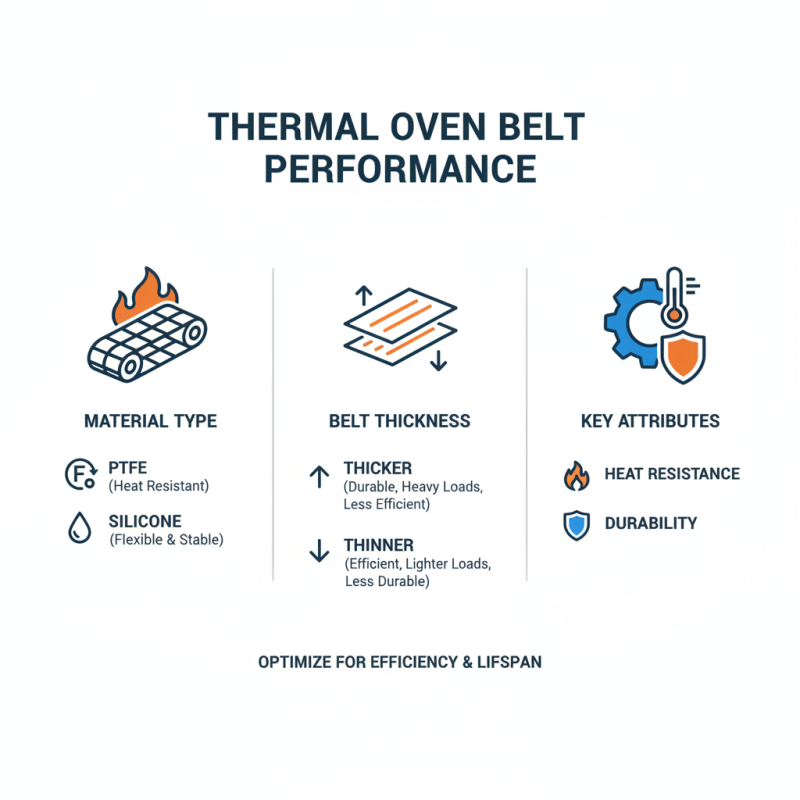
Moreover, the design of the thermal oven belt influences overall performance. Flat belts, for instance, allow for even heat distribution. An even heat profile is essential for consistent product quality. Inconsistent heating can affect product taste or texture, which may lead to consumer dissatisfaction. Balancing these factors helps in making an informed decision.
Types of Materials Used in Thermal Oven Belts
When choosing a thermal oven belt, material matters significantly. Each type offers unique benefits and limitations. Common materials include PTFE-coated fabrics, silicone, and stainless steel. PTFE belts are non-stick and work well in high temperatures. They resist thermal degradation, suitable for diverse applications. However, they may lack durability in extreme conditions.
Silicone offers flexibility and excellent heat resistance. It is ideal for oven processes requiring gentle handling. While silicone can handle varying temperatures, its longevity can be a concern. Users should assess the specific requirements carefully. Stainless steel belts provide robustness and reliability but can be heavy and less flexible. Their durability makes them a favorite for heavy-duty applications.
Choosing the right material often involves trade-offs. Factors such as temperature ranges, product weight, and handling needs all play a role. Reflecting on these criteria helps tailor choices effectively. Understanding the attributes of each material ensures informed decisions. Balancing performance with other needs might feel overwhelming, but careful consideration leads to better outcomes.
Maintenance Tips for Extending the Life of Your Thermal Oven Belt
Maintaining your thermal oven belt is crucial for optimal performance. Regular care extends its lifespan and enhances cooking efficiency. According to a report by the American Society of Baking, proper maintenance can increase the lifespan of oven belts by up to 50%. This means less downtime and lower replacement costs.
One essential tip is to regularly clean the belt. Food debris can accumulate and cause wear. Use a mild detergent and a soft cloth. Avoid abrasive materials that can scratch the surface. Additionally, make sure to check for any signs of damage, such as fraying or cracks. Address these issues immediately to prevent further degradation.
Inspecting the alignment of your thermal oven belt is also vital. Misalignment can lead to uneven cooking and increased energy consumption. If the belt is shifting or making unusual noises, this could indicate a need for adjustment. Pay attention to these details. Minor fixes can prevent major problems down the line. Regular checks ensure that your thermal oven belt remains an asset in your kitchen.