2026 Top Conveyor Belt Types You Should Know About?
In 2026, understanding the top conveyor belt types is essential for industries reliant on efficient material handling. The global conveyor belt market is projected to reach $6 billion by 2025, as reported by market analysts. This reflects a growing demand for various conveyor systems in sectors like manufacturing, mining, and logistics. Conveyor belts are critical in enhancing productivity and ensuring safety.
Different types of conveyor belts serve unique purposes. For instance, modular belts provide flexibility in design and operation, allowing manufacturers to adapt easily. Meanwhile, steel belts are known for their durability and strength in heavy-duty applications. However, with diverse options comes the challenge of selecting the right type. This decision can significantly impact operational efficiency.
While many companies invest heavily in state-of-the-art conveyor systems, oversights can occur. Some may underestimate maintenance costs or overlook the importance of proper belt selection. Understanding these intricacies will empower businesses to optimize their operations and stay competitive in a rapidly evolving market.
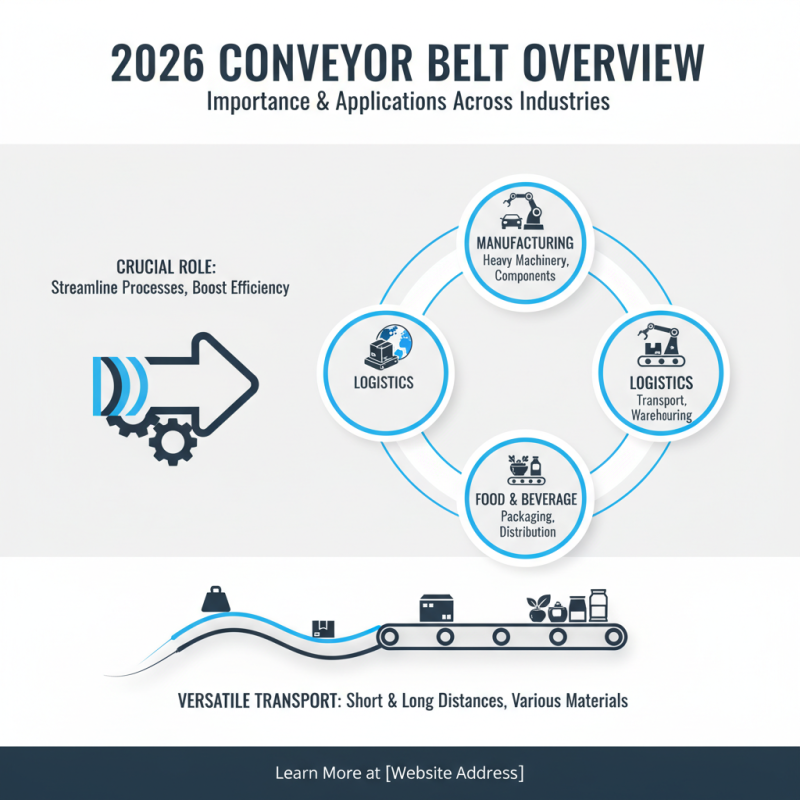
2026 Conveyor Belt Overview: Importance and Applications Across Industries
Conveyor belts play a crucial role in various industries. They streamline processes and enhance efficiency. From manufacturing to logistics, conveyor systems are integral. These belts transport materials over short and long distances. They handle everything from heavy machinery parts to delicate items.
Understanding the different types of conveyor belts is essential. Each type serves specific needs. For instance, some belts are designed for high temperatures, while others are made for food handling. The right choice can prevent accidents and improve productivity. However, selecting the incorrect type may lead to safety issues or breakdowns. It’s vital to evaluate the materials and environment before making a decision.
Moreover, conveyor belts might face wear and tear over time. Regular maintenance is key to prolonging their life. Issues like slipping or misalignment can disrupt workflow. Addressing these problems promptly is necessary to avoid larger failures. Knowledge of these factors informs better operational strategies for any industry utilizing conveyor systems.
Common Conveyor Belt Types: Material Composition and Characteristics
Conveyor belts play a vital role in various industries, driven by their material composition and unique characteristics. Rubber conveyor belts are some of the most commonly used types. They offer flexibility and durability, making them ideal for heavy loads and rough environments. However, rubber belts can degrade under extreme temperatures. Proper material selection is critical to ensure longevity.
Another popular option is the fabric conveyor belt, which consists of layers of fabric like polyester or nylon. These belts provide excellent tensile strength and are lightweight. They can handle various materials, but they are not as resistant to chemicals and oils. Regular checks can help identify wear and tear, extending their life.
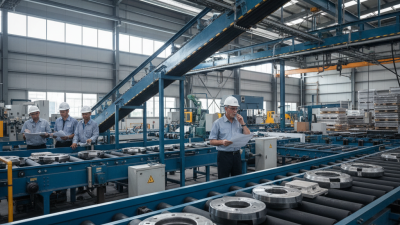
Additionally, metal conveyor belts are known for their strength and temperature resistance. They are perfect for high-temperature applications, but they can be heavy. Understanding these characteristics is essential for selecting the right belt for specific needs. Each type has its pros and cons, requiring careful consideration in the decision-making process.
Industry-Specific Conveyor Belts: Key Features and Case Studies
Conveyor belts play a crucial role in various industries, each requiring specific features tailored to their unique operations. In food processing, for instance, sanitation is paramount. Belts must be easy to clean and resistant to moisture and bacteria. Solutions like modular plastic belts shine here due to their flexibility and hygienic properties. They allow for customized layouts and efficient transport of products.
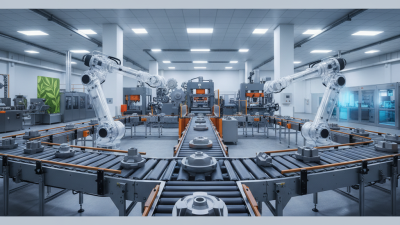
In the automotive sector, conveyor systems provide a seamless assembly line experience. Here, belts must handle heavy loads while maintaining precision. Steel belts are often preferred. They offer durability and stability for transporting metal components. However, challenges arise when addressing wear and tear over time. Regular monitoring and timely replacements become vital.
Shipping and logistics demand different attributes. Conveyor belts here need to be versatile and efficient. Rubber belts often provide the best solution, adapting to various package sizes and weights. Yet, issues like slippage or misalignment can occur. Addressing these problems requires ongoing maintenance and staff training for effective operation.
2026 Top Conveyor Belt Types You Should Know About
This chart illustrates the market share of various types of conveyor belts anticipated in 2026. Fabric conveyor belts are projected to hold the largest market share at 30%, followed by metal conveyor belts at 25%, reflecting their widespread use across industries. The data highlights the importance of selecting the right conveyor belt type for specific industrial applications.
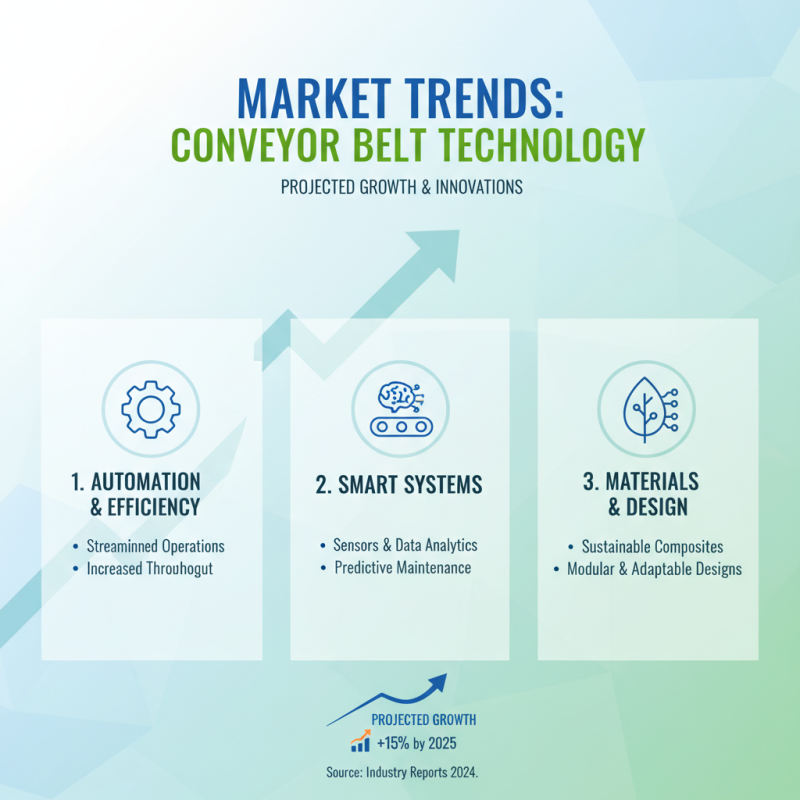
Market Trends: Projected Growth and Innovations in Conveyor Belt Technology
The conveyor belt industry is undergoing significant transformations. Innovations are not just about materials; they are also about design and functionality. For instance, advancements in automation are streamlining operations. Smart conveyor systems are becoming the norm, enhancing efficiency in various sectors.
Market trends indicate a steady growth trajectory. Companies are investing in eco-friendly materials. Sustainable practices are increasingly vital in today’s setting. However, adopting new technologies can pose challenges. Businesses must adapt to rapidly changing standards and regulations.
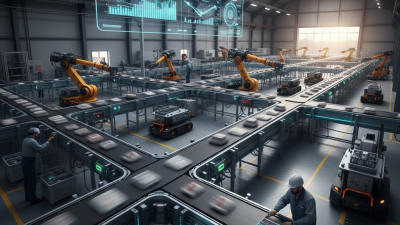
Moreover, the digitalization of conveyor systems is reshaping production lines. IoT integration provides real-time monitoring. This allows for quicker response times and minimizes downtime. Despite these advancements, there remains a learning curve for many operators. Continuous training is essential to keep up with the evolving landscape.
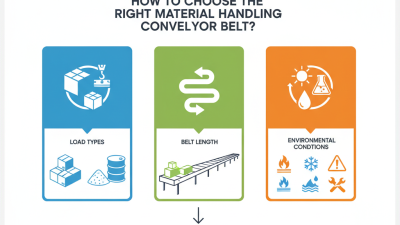
Selecting the Right Conveyor Belt: Factors Influencing Performance and Durability
Selecting the right conveyor belt is crucial for maximizing efficiency in various industries. Different factors influence the performance and durability of a conveyor belt system. For instance, material composition plays a significant role. Natural rubber belts provide flexibility and wear resistance, while polyurethane belts excel in strength and chemical resistance.
Environmental conditions also matter. High temperatures can degrade certain materials faster. A 2022 industry report indicated that belts operating in extreme conditions have up to 30% reduced lifespan. Regular inspections help identify early signs of wear. However, many companies neglect this, leading to unexpected downtime.
Load capacity is another vital factor. Selecting a belt that can handle the weight without overstraining improves longevity. According to a survey, nearly 40% of warehouse operations experience inefficiencies due to mismatched load capacities. Proper training on conveyor systems can optimize performance but is often overlooked. Addressing these concerns can enhance operational efficiency and reduce long-term costs.
2026 Top Conveyor Belt Types You Should Know About
| Belt Type |
Material |
Application |
Load Capacity (lbs) |
Temperature Resistance (°F) |
| Flat Conveyor Belt |
PVC |
Food Processing |
200 |
+120 |
| Modular Belt |
Plastic |
Packaging |
300 |
+150 |
| Rubber Conveyor Belt |
Rubber |
Heavy Duty |
500 |
+180 |
| Wire Mesh Belt |
Stainless Steel |
Baking & Frying |
400 |
+600 |
| Chevron Belt |
Rubber |
Inclined Transport |
350 |
+150 |