Why Choose the Right Thermal Oven Belt for Your Needs?
Choosing the right Thermal Oven Belt can significantly impact production efficiency. A well-suited belt enhances the overall heating process. According to industry analysis by Market Research Future, the thermal processing equipment market is expected to reach $12 billion by 2025. This growth showcases the increasing relevance of thermal solutions in manufacturing.
John Smith, a thermal equipment expert, emphasizes the importance of selecting the right Thermal Oven Belt: "A misaligned belt can lead to inconsistent product quality." This statement underlines the necessity of careful selection in production processes. Improper choices can lead to increased downtimes and higher maintenance costs.
In an industry where precision matters, understanding the specifications of Thermal Oven Belts is crucial. Selecting the wrong material could detract from an oven's performance. Evaluating your unique needs requires careful consideration and expertise. Each application presents different challenges that can only be overcome with the right belt.
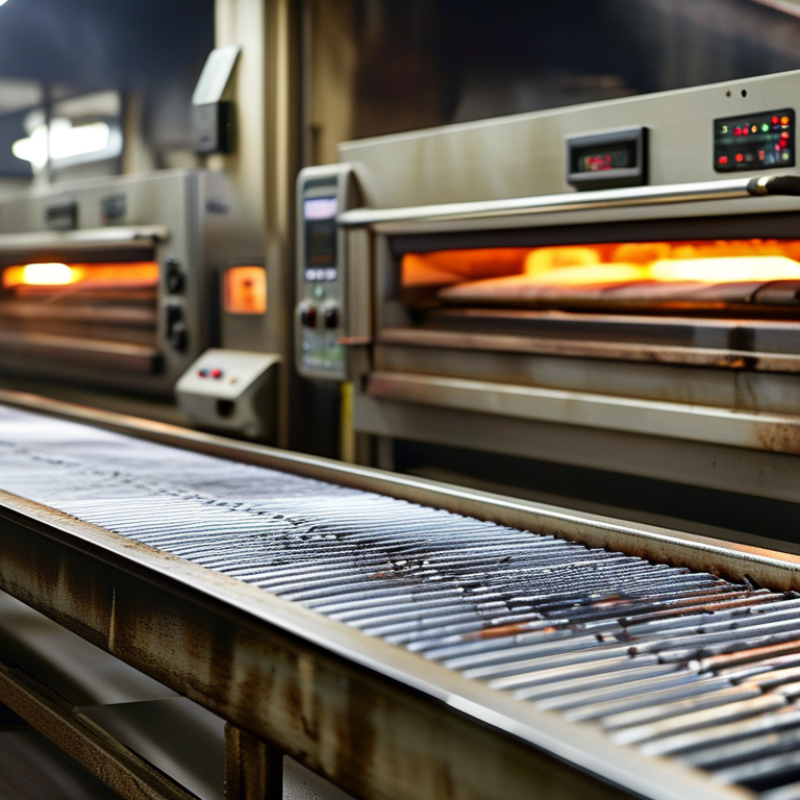
Importance of Selecting the Correct Thermal Oven Belt for Efficiency
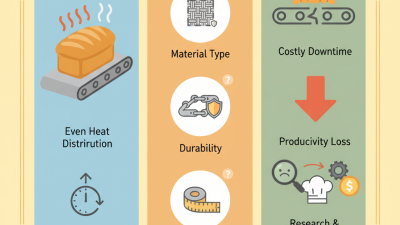
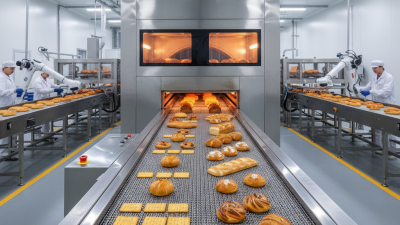
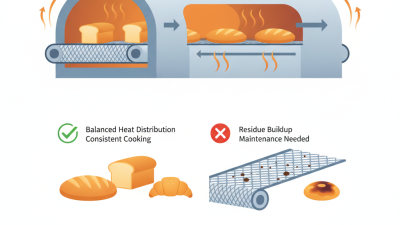
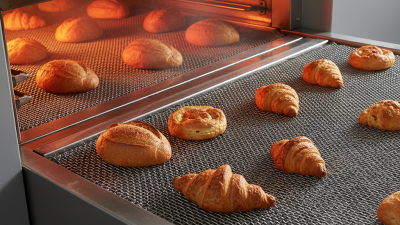
Choosing the correct thermal oven belt can greatly enhance operational efficiency. The right belt material affects heat distribution and durability. A well-suited belt minimizes energy waste and optimizes cooking times. It ensures even baking and precise temperature control, critical for consistent product quality.
Selecting a belt that matches your specific oven type is crucial. Different ovens have varying requirements. A mismatch can lead to overheating or insufficient heating. This can result in costly production delays and wasted resources. It’s important to evaluate materials that withstand high temperatures while exhibiting low friction.
Many users overlook the importance of maintenance. A thermal oven belt, if not maintained, can degrade quickly. Regular checks can help identify wear and tear before any major issues arise. Investing in the right belt and maintenance practices pays off in the long run. Balancing between cost and quality is essential. This ensures you meet your production goals without compromising performance.
Impact of Choosing the Right Thermal Oven Belt on Efficiency
Factors to Consider When Choosing a Thermal Oven Belt Material
Choosing the right thermal oven belt material is crucial for efficiency and performance. Different materials offer unique benefits. For instance, silicone belts provide excellent heat resistance and durability. They are suitable for high-temperature applications. However, they can be more expensive and may not be ideal for every process.
It's important to consider specific needs. Polyester belts are often more affordable. They work well in moderate heat settings. However, they may wear out faster than silicone options. This can lead to frequent replacements. Weighing cost versus durability is a common dilemma. Often overlooked, the width and length of the belt impact its heat distribution. A poor fit can cause uneven cooking results.
Material thickness also matters. Thicker belts can withstand higher heat but may affect energy efficiency. Thin belts might heat up quickly but could warp under excess pressure. Each choice involves trade-offs and compromises. Reflecting on production requirements can guide the best choice. Consider your operational conditions to find a balance between performance and longevity.
Common Applications for Different Types of Thermal Oven Belts
Choosing the right thermal oven belt is crucial for various applications across different industries. In food processing, a
polyester belt with a low-friction surface is popular. Its temperature resistance, often exceeding
200°C, enhances efficiency in baking and drying processes. According to a
2022 report by the International Food Processing Association, the right material can increase production speed
by 15% while maintaining product quality.
In the electronics sector, specialized silicone belts are favored. They handle temperatures
up to 300°C, suitable for high-precision applications. A study published in the
Journal of Manufacturing Science and Engineering indicates that improper belt choice can lead to
10-20% yield loss due to production inconsistencies. This showcases the importance of selecting
appropriate materials for high-stakes environments.
More thought must go into various applications. For textiles, woven polyester belts are common.
They provide a balance between durability and flexibility, essential for processes like dye setting. However, many manufacturers
overlook the impact of belt wear. Regular monitoring can save costs and prevent downtime.
Focusing on the specific needs of each application is vital for optimizing thermal performance.
Maintenance Tips for Prolonging the Lifespan of Thermal Oven Belts
Thermal oven belts are crucial in various industrial applications. Proper maintenance extends their lifespan and ensures optimal performance. Regular checks can help identify potential issues early. This approach saves costs and improves efficiency.
A solid tip is to clean the belts regularly. Accumulated debris can cause wear over time. Use non-abrasive cleaners to avoid damaging the surface. Monitor the alignment of the belt as well. Misalignment can lead to uneven heating and increased friction. This creates unnecessary stress on the belt.
Another consideration is to maintain proper operating temperatures. High heat can degrade the material. Check the manufacturer’s specifications to ensure you are within the recommended range. Proactive maintenance may highlight areas for further improvement. Reflecting on past experiences can help refine your processes. Investing time in maintenance will pay off in the long run.
Cost-Effectiveness of Investing in Quality Thermal Oven Belts
Investing in quality thermal oven belts can lead to significant cost savings. A well-made belt enhances efficiency and longevity. This means fewer replacements and less downtime. Businesses often underestimate the value of durability. Cheaper alternatives may fail quickly, leading to unexpected expenses.
When selecting a thermal oven belt, consider not just the price, but the overall lifecycle cost. Higher upfront costs may seem daunting, yet they can lead to savings in the long run. A dependable belt minimizes energy consumption and improves workflow. A reliable choice can also safeguard your equipment from damage, reducing maintenance costs.
Many users may overlook crucial details during the selection process. Not every belt suits every application. It's essential to assess specific needs and operating conditions. A mismatch may result in performance issues, leading to loss. Taking time for research can prevent common pitfalls in choosing the right thermal oven belt.