Why Choose Continuous Oven Mesh Belt for Your Production Needs?
The rise of manufacturing technology has transformed production lines worldwide. Among various innovations, the Continuous Oven Mesh Belt stands out for its efficiency and versatility. It is widely used in industries ranging from food processing to electronics. Industry expert John Smith highlights this technology's significance, stating, "The Continuous Oven Mesh Belt optimizes thermal distribution, ensuring consistent results across batches."
This type of oven belt allows products to be cooked or cured evenly. Its design minimizes heat loss, promoting energy efficiency. However, despite its advantages, some companies still overlook its benefits. They may struggle with outdated methods. This reliance on traditional techniques can hinder their productivity and growth.
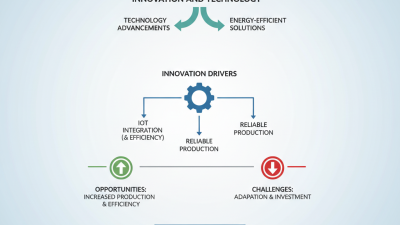
Investing in a Continuous Oven Mesh Belt could revolutionize production processes. Adopting modern solutions is essential for staying competitive in today’s market. As businesses aim for better quality and sustainability, this technology becomes a crucial component of future success. Embracing the Continuous Oven Mesh Belt may require a mindset shift, but the long-term rewards are significant.
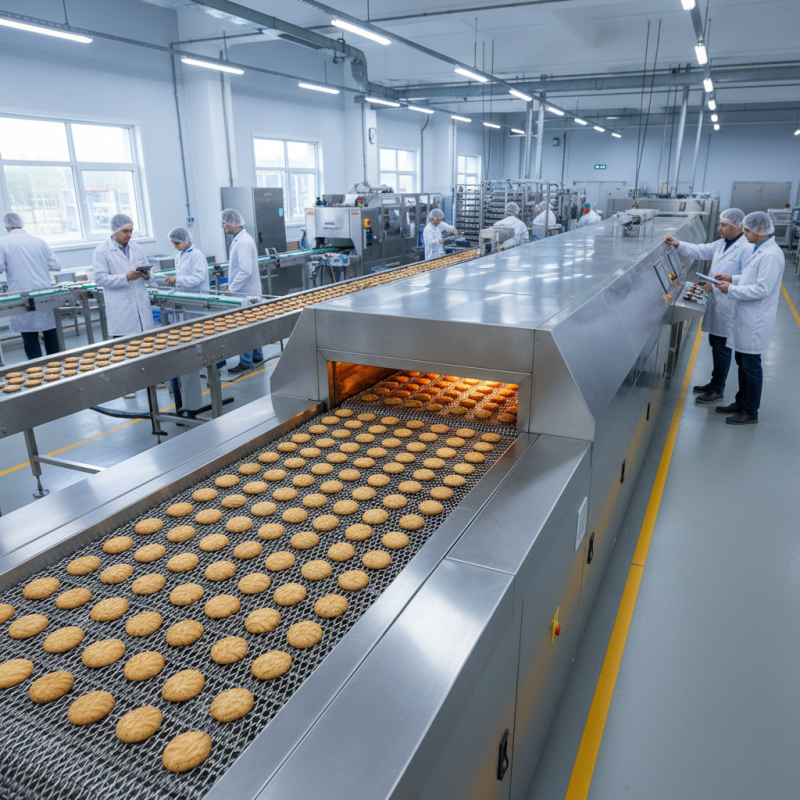
Benefits of Continuous Oven Mesh Belts in Industrial Baking Processes
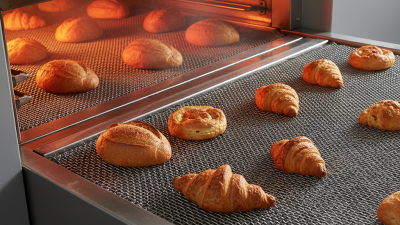
Continuous oven mesh belts have transformed industrial baking processes. Their unique design allows for consistent heat distribution. This uniformity ensures that products bake evenly. As a result, you minimize the risk of burnt or undercooked items. Such reliability in baking quality is crucial for maintaining customer satisfaction.
The flexibility of mesh belts caters to various products. They can handle everything from bread to pastries with ease. Additionally, these belts offer excellent airflow, which is key for effective moisture removal. This is vital for achieving the desired texture and crispness. However, maintenance is essential. Over time, residues from baked goods can accumulate, potentially affecting performance. Regular cleaning helps maintain efficiency and extend the belt's lifespan.
Another notable benefit is energy efficiency. Continuous operation means less heat loss during product transfer. Yet, it's important to monitor temperature settings. Overheating can lead to energy waste and impact product quality. Adopting continuous oven mesh belts requires careful consideration of production needs. Adjustments may be necessary to maximize their advantages while minimizing potential drawbacks.
Benefits of Continuous Oven Mesh Belts in Industrial Baking Processes
Comparison of Continuous Oven Mesh Belts to Traditional Baking Methods
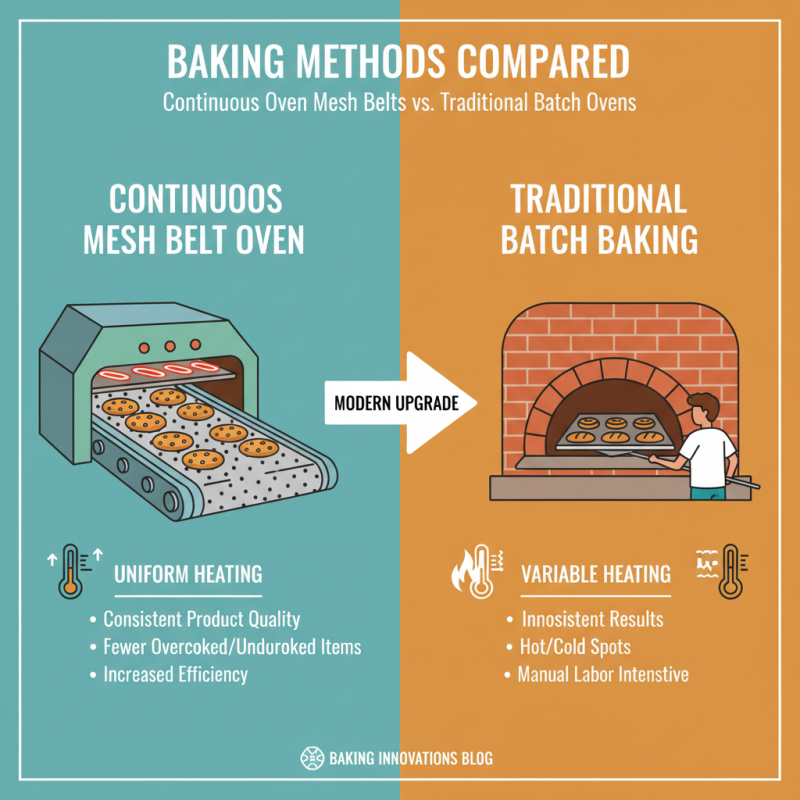
When comparing continuous oven mesh belts to traditional baking methods, several factors come into play. Continuous ovens offer uniform heating, which is critical for consistent product quality. Unlike traditional methods, where heat sources can vary, mesh belts evenly distribute heat throughout the baking process. This uniformity leads to fewer overcooked or undercooked items.
Traditional baking often results in inconsistent production rates. Batch ovens require loading and unloading, causing delays. Continuous ovens streamline this process, allowing for a steady flow of products. However, the initial investment in a continuous system can be high, which might deter some producers. Yet, the long-term efficiency and reduced labor costs often make up for this.
Another point of reflection lies in the adaptability of continuous systems. While traditional methods may suffice for smaller operations, larger production demands flexibility. Mesh belts can be adjusted for various products, from breads to pastries. Nonetheless, not every bakery may be ready to transition to this technology. The shift can involve a learning curve, and some may resist change. Balancing innovation with tradition remains a challenge for many.
Key Materials and Design Features of High-Performance Mesh Belts
When you invest in a continuous oven mesh belt, understanding its
materials and design features is crucial.
High-performance mesh belts often use stainless steel or specialized alloys. These materials
are resistant to high temperatures and corrosion, ensuring durability. The weave pattern enhances airflow,
promoting even cooking and baking.
Design features also play a vital role. Many mesh belts incorporate
smooth edges to reduce wear and enhance safety. The thickness of the
wire can impact load capacity and flexibility, which is critical during operation. However, a thicker wire may
not always be ideal for lightweight products.
Choosing the right belt involves careful consideration of these details.
A tight mesh can be beneficial for small products but may restrict
airflow for larger items. Each choice reflects a balance, offering an opportunity for improvement. While many
features promise efficiency, the actual performance can vary based on specific production environments.
Efficiency Metrics: Energy Savings and Production Rates with Mesh Belts
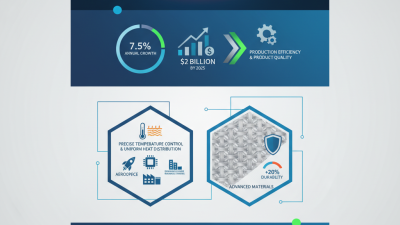
In today's manufacturing landscape, the choice of a continuous oven mesh belt can significantly influence efficiency metrics. These belts are designed to enhance energy savings and improve production rates. With innovative engineering, they minimize energy consumption while ensuring consistent heat distribution. This leads to lower costs and a more sustainable production process.
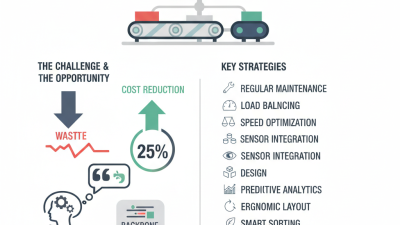
Mesh belts facilitate a smooth flow of products through the oven, optimizing cooking times. The result is a higher output without compromising quality. However, integrating mesh belts might present challenges. For instance, ensuring the correct belt alignment and tension can be tricky. If not addressed, these issues can impact production efficiency.
Additionally, companies must consider maintenance practices. Regular inspections are crucial to prevent breakdowns. Neglecting this aspect can lead to unexpected downtimes, affecting overall productivity. Investing in staff training can mitigate these risks, fostering a culture of continuous improvement. Balancing these elements requires careful planning, but the potential benefits of improved energy savings and production rates make it worthwhile.
Why Choose Continuous Oven Mesh Belt for Your Production Needs?
| Production Metric |
Mesh Belt Type |
Energy Consumption (kWh) |
Production Rate (units/hour) |
Heat Distribution Efficiency (%) |
| Standard Mesh Belt |
Open Mesh |
35 |
300 |
80 |
| High Temp Mesh Belt |
Stainless Steel |
40 |
250 |
85 |
| Heavy Duty Mesh Belt |
Carbon Steel |
45 |
400 |
75 |
| High Efficiency Mesh Belt |
Composite Material |
30 |
350 |
90 |
Case Studies: Success Stories of Industries Using Continuous Oven Mesh Belts
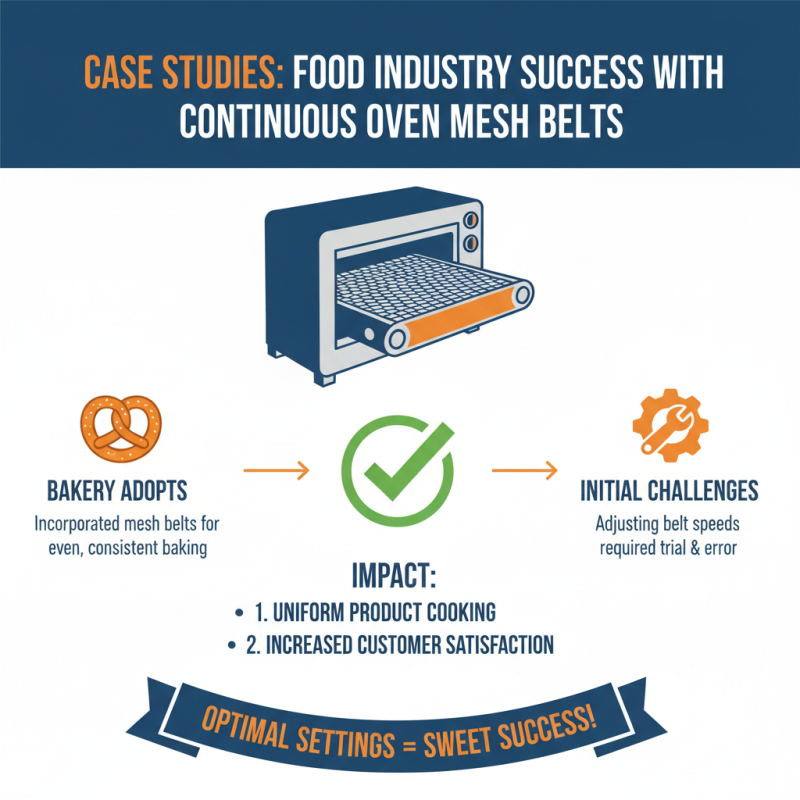
Continuous oven mesh belts are increasingly popular in various industries. One significant success story comes from the food sector. A bakery incorporated these belts for even and consistent baking. They observed that products cooked evenly, leading to higher customer satisfaction. However, they faced initial challenges in adjusting belt speeds. This required extensive trial and error to find the optimal settings.
Another example can be found in the automotive industry. A manufacturer implemented continuous oven mesh belts to cure coatings on parts. The predictable temperature zones improved the curing process, resulting in better quality finishes. Yet, they encountered difficulties with maintenance. Regular inspections became essential to avoid breakdowns. This experience highlighted the importance of proactive management in production.
These cases illustrate the diverse applications of continuous oven mesh belts. Industries can see clear benefits, such as efficiency and product quality. Nevertheless, the path to success often involves learning from mistakes and refining processes. Companies must be ready to adapt and innovate continuously.