What is Industrial Belting and How Can It Benefit Your Business?
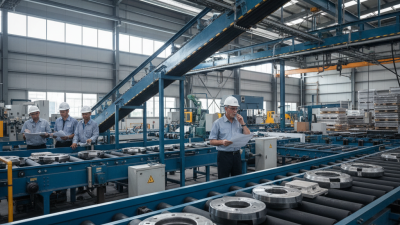
Industrial belting plays a crucial role in various industries. It consists of durable materials designed for transporting goods efficiently. Companies rely on these belts for production lines, conveyors, and machinery. The efficiency of your operations can greatly improve with the right industrial belting.
Investing in high-quality industrial belting can lead to significant benefits. For example, these belts can reduce downtime and maintenance costs. In a world where speed and reliability matter, your business may fall behind without proper belting solutions. There's a complexity in choosing the right type of belt, which can be overwhelming for some.
Understanding industrial belting is essential. It’s not just a matter of selecting any belt; the specific needs of your equipment and workflow must be considered. A lack of proper knowledge can lead to inefficiencies. By examining your requirements closely, you can make informed decisions that will enhance productivity.
Overview of Industrial Belting Types and Their Functions
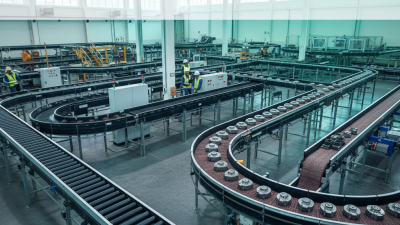
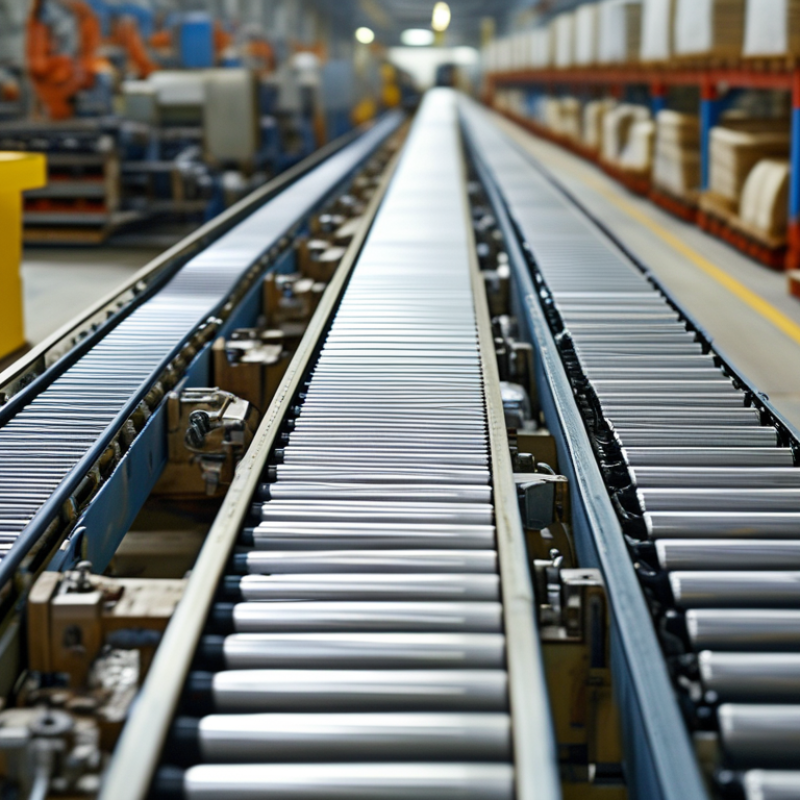
Industrial belting is essential in various sectors, including manufacturing, food processing, and logistics. The types of belts vary widely, serving specific functions. Common types include flat belts, timing belts, and conveyor belts. Flat belts are often used for power transmission, while timing belts are vital in precision machinery, maintaining synchronization.
A 2022 market report highlights that the global industrial belt market is projected to grow by 3.6% annually. This growth emphasizes the importance of quality belting systems. Businesses are leveraging different materials like rubber, polyurethane, and metal. Each material offers distinct advantages, such as increased durability or resistance to extreme temperatures.
Tip: Regularly inspect your belts for wear and tear. Timely maintenance prevents unexpected breakdowns. Improving efficiency can lead to significant cost savings. Choosing the right type based on your operational needs is crucial.
Evaluating your current belt systems may reveal inefficiencies. For instance, a conveyor belt might be underperforming due to misalignment. Such issues can compromise productivity. Investing in high-quality belting can enhance operational reliability and performance.
Key Industries Utilizing Industrial Belting Solutions
Industrial belting plays a crucial role in various sectors. Many companies rely on these solutions for efficiency and productivity. Industries such as manufacturing, agriculture, and mining utilize belting systems extensively. The right choice of belting can enhance the durability and performance of machinery.
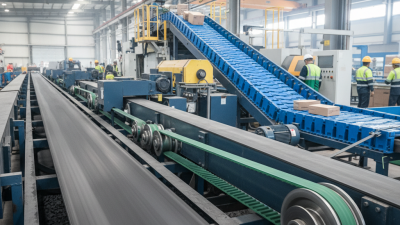
Manufacturing relies heavily on industrial belting for transporting materials. These belts ensure smooth operation on assembly lines. In agriculture, belting helps in the movement of produce and equipment. It increases productivity while reducing downtime. Mining operations also benefit greatly from robust belting solutions to withstand harsh conditions.
Tips: Always assess the material needs of your industry. Choosing the right belting can save costs in the long run. Consider the environment and loads your belts will handle. Maintenance is key. Regular checks can prevent unexpected breakdowns. Evaluating your current systems may reveal areas for improvement, leading to better uptime and performance.
Industries Utilizing Industrial Belting Solutions
Benefits of High-Quality Industrial Belting for Operational Efficiency
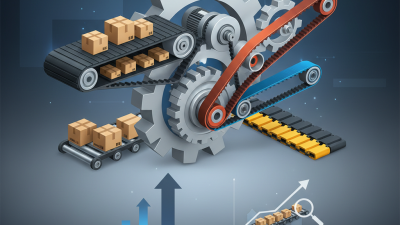
Industrial belting plays a crucial role in manufacturing and logistics. High-quality belts can significantly enhance operational efficiency. According to industry reports, businesses using premium belts see up to a 15% increase in productivity. This improvement can be attributed to reduced downtime and smoother material handling.
Reliability is key in any industrial setting. A study highlighted that 40% of equipment failures are related to belting issues. Choosing the right belt can minimize these risks. Durable materials withstand wear and heat more effectively. In fact, businesses often experience fewer replacements when investing in quality belts.
Operational costs can be directly linked to the belting choices companies make. Poor-quality belts can lead to inefficiencies. These inefficiencies can cause unexpected spending. Businesses must carefully assess their needs and consider investing in trusted solutions. This approach might initially seem costly, yet it often leads to long-term savings.
Economic Impact of Effective Belting on Manufacturing Costs
Industrial belting plays a crucial role in manufacturing efficiency. The choice of belts significantly affects production costs. Reports show that effective belting can reduce downtime by up to 30%. This reduction minimizes labor costs and enhances productivity.
In the context of manufacturing, belt failure can be costly. It often leads to unexpected maintenance and production delays. According to a recent industry study, replacing inefficient belts with high-quality options can lower operational costs by 15-20%. These savings are essential for improving profit margins in tight markets.
Moreover, the sustainability aspect cannot be overlooked. Eco-friendly materials in belting can reduce waste. While transitioning to greener options may incur initial costs, the long-term savings are significant. Companies that invest in effective belting strategies can expect not just lower costs but also a positive impact on corporate responsibility.
However, some businesses may hesitate. The challenge lies in balancing cost and quality effectively.
Future Trends in Industrial Belting Technology and Innovation
The future of industrial belting technology is shaped by persistent innovation and emerging trends. As industries seek efficiency, manufacturers are embracing materials that enhance durability and performance. New composite materials are becoming the norm, offering improved resistance to wear and tear. These advancements not only reduce downtime but also cut maintenance costs. Manufacturers are innovating to stay competitive.
Digitalization is changing the landscape of industrial belting. Smart belts equipped with sensors provide real-time data on performance metrics. This data can identify issues before they escalate, allowing for preemptive action. Still, some companies are slow to adapt. This hesitance can lead to missed opportunities in maximizing productivity. The importance of integrating such technology cannot be understated.
Sustainability is another critical focus. Eco-friendly materials are gaining traction within belting solutions. These materials help reduce environmental impact while maintaining efficiency. However, the shift toward sustainable practices is not instantaneous. It requires careful consideration and investment. Adapting to these changes can feel daunting, yet businesses must evolve to stay relevant. The path forward is filled with challenges, but the potential benefits are substantial.