What is a Mesh Belt and How is it Used in Various Industries?
In various industries, the term "Mesh Belt" has become essential. These belts are designed to optimize processes, enhancing efficiency and productivity. John Smith, an industry expert, stated, "The versatility of a Mesh Belt makes it invaluable across multiple sectors." His insights reflect the growing reliance on this technology in food processing, manufacturing, and logistics.
The Mesh Belt's structure allows for effective airflow and even heat distribution, which are critical in baking and drying applications. Its use is not limited; it adapts to specific needs. However, the need for quality maintenance and regular inspections is crucial. Industries must be aware of wear and tear, as neglect can lead to inefficiencies and safety hazards.
Despite its benefits, there are challenges. Not all materials are suited for every application, leading to potential issues. A well-rounded approach toward selecting the right type of Mesh Belt ensures optimal performance. Understanding these nuances can significantly impact outcomes, revealing how this technology shapes modern production.
What is a Mesh Belt? Definition and Characteristics
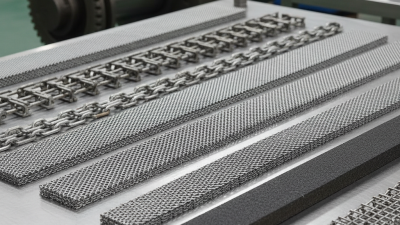
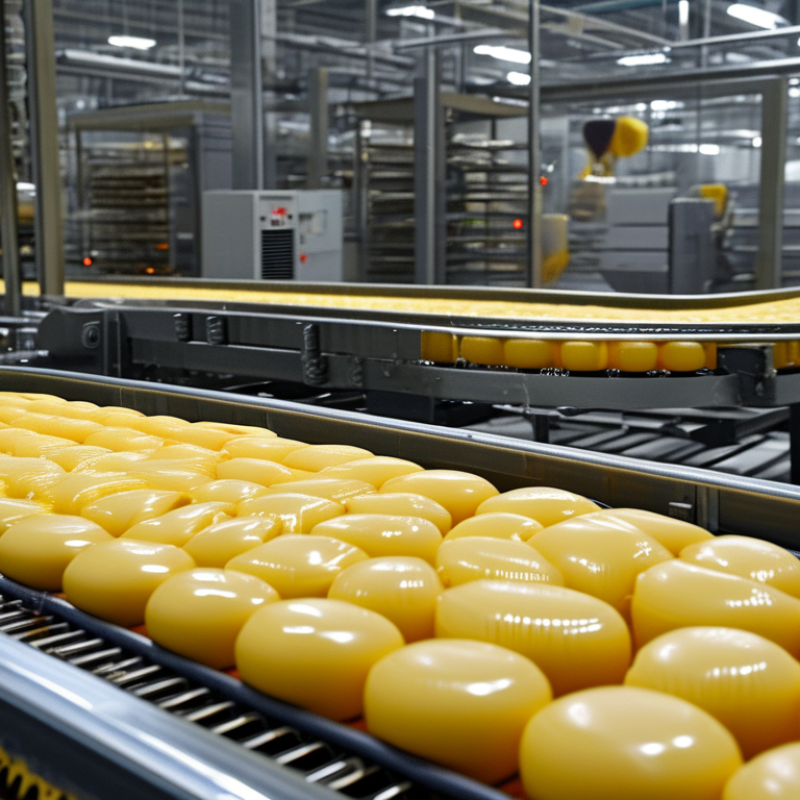
A mesh belt is a continuous, woven structure made from metal or synthetic materials. Its design allows for efficient airflow and drainage. This makes it ideal for various industrial applications, from manufacturing to food processing. The individual links create a flexible yet sturdy surface. This surface can easily transport materials in a variety of environments.
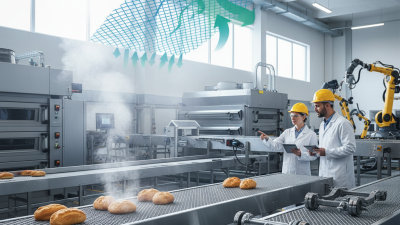
In food processing, mesh belts often facilitate baking, cooling, and frying. Their ability to allow heat and vapors to pass through improves product quality. However, not all mesh belts are created equal. Some might wear out faster, depending on the materials used. Regular maintenance is necessary to avoid costly downtimes.
In other industries, like manufacturing, mesh belts carry heavy loads. They are crucial in assembly lines. However, the potential for slippage exists if not properly aligned. This requires careful monitoring. The versatility of mesh belts is impressive. Yet users must weigh the benefits against potential issues.
What is a Mesh Belt and How is it Used in Various Industries?
| Industry |
Application |
Material |
Size Range |
Characteristics |
| Food Processing |
Conveyor systems for baking, frying, and cooling |
Stainless steel, food-grade plastic |
Width: 20-120 cm; Length: Customizable |
Corrosion-resistant, easy to clean |
| Manufacturing |
Material handling and assembly lines |
Mild steel, galvanized steel |
Width: 30-200 cm; Length: Customizable |
Durable, high load capacity |
| Textile |
Drying and curing processes |
Polyester, nylon |
Width: 40-150 cm; Length: Customizable |
Heat-resistant, lightweight |
| Pharmaceutical |
Product inspection and packaging |
Stainless steel, coated surfaces |
Width: 25-100 cm; Length: Customizable |
Hygienic, customizable designs |
Types of Mesh Belts: Materials and Designs
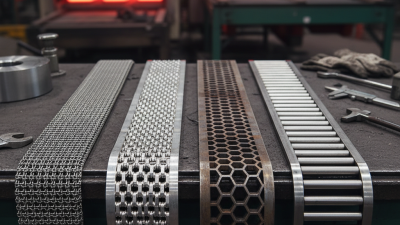
Mesh belts are essential in various industries due to their versatility and efficiency. They can be crafted from several materials, each designed for specific applications. Stainless steel is common for food processing, providing durability and resistance to corrosion.
Plastic mesh belts, on the other hand, are lightweight and often used in packaging. Their designs can vary, from flat surfaces to textured patterns, depending on the handling requirements.
In production environments, mesh belts enable continuous movement of products, facilitating seamless operations. Their open structure allows air circulation, reducing moisture retention and enhancing drying processes.
However, not all mesh belts perform equally well across industries. Some may struggle with wear and tear, particularly in high-temperature environments.
It's essential to evaluate the working conditions when selecting a mesh belt for a specific purpose. While there is much to consider, a well-chosen mesh belt can significantly improve production efficiency.
Applications of Mesh Belts in Food Processing Industries
In the food processing industry, mesh belts offer unique advantages. These belts are designed to enhance the efficiency of various operations. With their open structure, they allow air and water to circulate freely. This is crucial for processes like drying and cooling. A study by the Food Processing Suppliers Association mentions that efficient drying processes can reduce energy consumption by up to 30%.
Mesh belts are versatile. They are used for transporting products through ovens, fryers, and coolers. Their ability to handle various temperatures makes them ideal from baking biscuits to cooling vegetables. According to recent market research, mesh belt systems account for a significant portion of equipment in processing plants. The flexibility of mesh belts supports a diverse range of products and processes, but it also raises concerns about maintenance and cleaning protocols.
One challenge is their susceptibility to wear and tear. Over time, this can lead to contamination issues. Proper cleaning procedures are essential to ensure food safety. Data from the International Journal of Food Microbiology indicates that surfaces in regular contact with food should be sanitized frequently to prevent microbial growth. Regular maintenance and inspections are vital to keep mesh belts functioning effectively, highlighting the importance of a well-developed hygiene plan in food processing facilities.
Mesh Belts in Manufacturing: Role in Production Lines
Mesh belts play a crucial role in manufacturing, especially in production lines. These belts are lightweight yet durable, making them suitable for various applications. They allow manufacturers to transport goods smoothly and efficiently. The open structure of a mesh belt promotes airflow, cooling products during processes like baking or drying.
In industries such as food processing and textiles, mesh belts are essential. They facilitate efficient handling of materials with minimal friction. The belts can be custom-designed to fit specific needs, making them versatile. However, maintaining these belts can be challenging. Regular checks for wear and tear are necessary to ensure optimal performance.
While mesh belts offer significant benefits, their installation may require specialized expertise. Many factories may overlook this, leading to inefficiencies. Proper training for staff on belt maintenance is often neglected. Investing time in training can prevent costly downtime. This highlights the importance of evaluating both the equipment and the workforce to achieve seamless production.
Benefits of Using Mesh Belts Across Different Industries
Mesh belts are becoming essential in various industries due to their numerous benefits. These belts are designed with interwoven metal or synthetic materials, providing strength and durability. They allow for excellent air circulation, crucial for processes requiring cooling or drying, like in food processing. The design also minimizes friction, leading to smoother operation in production lines.
In manufacturing, mesh belts enhance efficiency. They are lightweight yet strong, making them ideal for transporting goods in workspaces. Their versatility allows for use in different temperatures, which is important for the chemical industry. However, one challenge is maintaining hygiene standards, as mesh belts can accumulate residues. Regular cleaning protocols are necessary to ensure they remain effective.
In distribution centers, these belts promote quick sorting and transportation of products. The design helps reduce bottlenecks, though it requires careful monitoring. Operators must ensure the mesh does not become clogged. Adopting mesh belts can improve productivity, but industries need continuous assessment to address potential drawbacks. The balance between benefits and necessary upkeep remains an area for improvement.