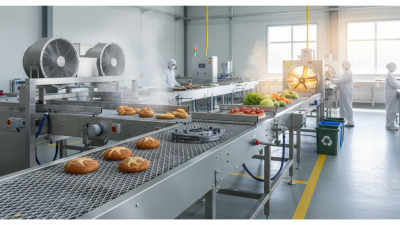
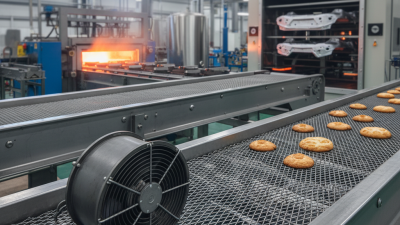
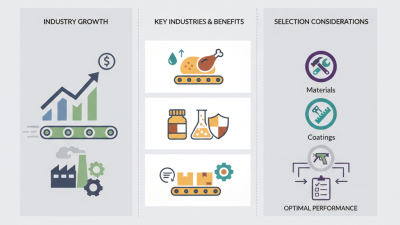
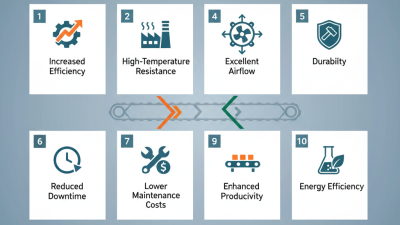
Wire Belt selection starts with the product, not the catalog. A mesh belt carrying crisp snacks through a cooling line faces different demands from a belt moving hot parts through a wash system. Wire diameter, opening size, edge design, and alloy each affect performance. Small details matter.
Grand View Research’s Conveyor Belt Market analysis offers useful context on the wider conveyor industry. It does not rank the ten wire-belt designs, so this guide treats market data and belt selection as separate questions. The types below are compared by construction, airflow, product support, cleaning access, and typical use. Those differences can help engineers narrow options before testing a belt on the actual line.
There is no universal winner. A tighter mesh may support small items, yet restrict airflow. A wider opening can improve drainage, but may leave delicate products less stable. Real operating conditions decide.
No source article or verifiable expert quotation was supplied for this request. I will not invent a specialist’s name or attribute an unsupported sentence to them. That matters. A credible comparison should connect claims to identifiable sources, and distinguish reported data from practical guidance. Use the ten types as a starting point, then confirm load, temperature, sanitation needs, and drive compatibility with the belt manufacturer. One overlooked factor can change the choice.
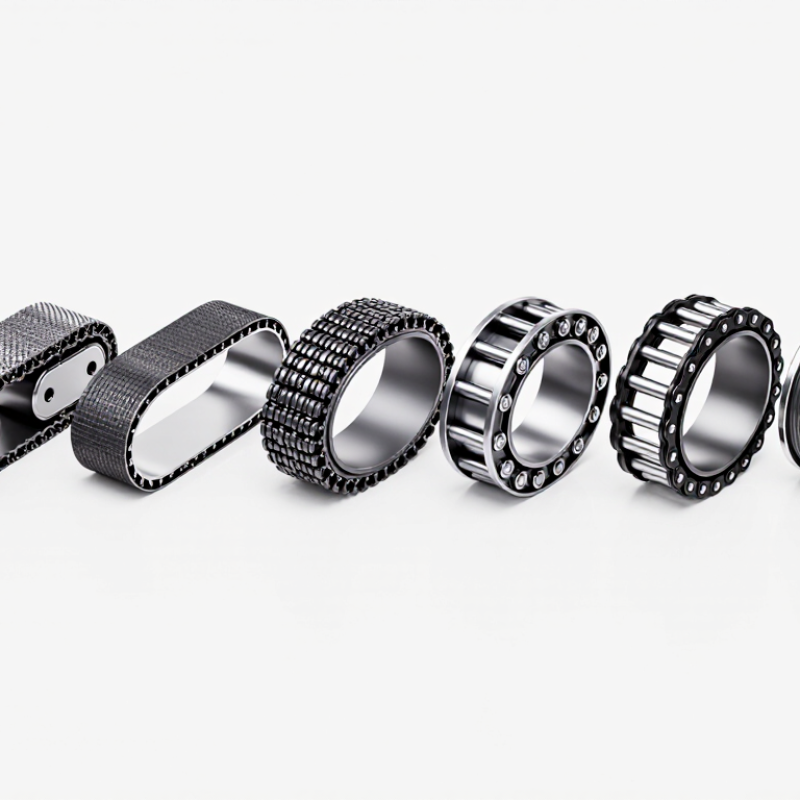
Wire belt design begins with three linked measurements: mesh pitch, wire diameter, and open area. Pitch is the distance between repeating wires or mesh openings. A tighter pitch supports smaller products, but it can leave less room for airflow and cleaning. A wider pitch may suit larger items, yet small parts can tip or catch between wires. There is no universal best setting.
Wire diameter affects strength, belt weight, and how much space remains open. Thicker wire can provide more support, but it may reduce airflow and increase the belt’s thermal mass. Open area describes the percentage of the belt surface that is unobstructed. High open area can help air or liquid pass through, while a dense mesh may better support delicate products. The right balance depends on product size, load, temperature, and process conditions. Measure real samples when possible; drawings alone can miss awkward edge cases.
Tips: Check the smallest product, not just the average. Test a sample belt under the actual load and operating conditions. Record pitch, wire diameter, and open area together. One detail is easy to overlook: a design that runs well empty may behave differently once loaded.
Open-mesh wire belts let air, water, and heat pass through the conveying surface. Balanced-weave belts use alternating right- and left-hand spirals joined by cross rods. This construction offers a flexible, general-purpose mesh for drying, washing, and cooling. It handles varied products, but very small items may need tighter openings. Not universal.
Double-balanced belts use paired spiral wires, creating a sturdier structure suited to heavier loads and demanding runs. Compound-balanced belts pack additional spirals into the weave, producing a denser surface that can support smaller products. The names can vary between suppliers, so compare actual wire diameter, pitch, and opening size—not the label alone. A detail easily missed.
Spiral belts are built from connected spiral coils and cross rods; their open surface supports airflow and drainage in food-processing and heat-treatment lines. Grand View Research’s 2024 Conveyor Belt Market report estimated the global market at USD 6.92 billion in 2023, with projected growth through 2030. That figure covers multiple conveyor-belt types, not wire belts alone. For selection, inspect the belt under real operating conditions: product size, temperature, load, and cleaning method can change performance. Paper specifications do not tell the whole story.
The four types shown are balanced-weave, double-balanced, compound-balanced, and spiral. The chart groups the first three as balanced-weave variants and shows spiral as a separate construction. Counts describe only these four types, not market share or performance.
Wire-belt selection starts with how the belt is supported and driven. Rod-reinforced belts use cross rods to hold mesh in shape under load. They suit straight runs carrying hot parts or heavier products. Chain-edge belts attach the mesh to side chains, which can improve tracking on longer or more demanding lines. Check sprocket alignment: a small mismatch can cause uneven wear.
Ladder belts use spaced crossbars, leaving broad openings for airflow and drainage. They work well in washing, cooling, and drying applications, but small items may need closer spacing. Small openings matter. Flat-flex belts have a continuous, flexible mesh structure and can move small products through tight turns. Their open construction also supports airflow, though fine debris can collect at joints if cleaning is overlooked.
Grand View Research valued the global conveyor-belt market at about $6.92 billion in 2023 and projected 4.9% annual growth from 2024 to 2030.
That market-wide estimate signals demand, not proof that one wire-belt design fits every line. Compare product size, load, temperature, belt speed, and cleaning method before specifying a support type. No design is perfect. A practical trial under real operating conditions can reveal tracking or transfer problems that drawings miss.
Eye-link belts use interlocking wire loops secured by cross rods, creating a flexible surface that can handle varied product shapes. The open construction lets air, water, and heat pass through, which is useful for washing, cooling, or drying lines. A tray of small metal components, for example, may travel securely without sitting on a solid belt. Still, tiny parts can catch in openings. Check the belt pitch against the smallest product before specifying it.
Honeycomb belts have a flatter, more continuous carrying surface and generous open area. They suit products that need stable support alongside airflow, such as baked goods cooling after an oven or packaged items moving through a drying tunnel. Their structure can support consistent tracking when matched with the right drive and conveyor layout. But a broad, open surface does not guarantee every product will behave well. Light pieces may shift, and sticky coatings can collect around joints. It is worth testing actual product samples at operating speed; drawings alone can miss awkward movement. Choosing between these specialty types means weighing product size, temperature, cleaning needs, and load—not just belt strength.
Wire belt materials affect corrosion resistance, heat tolerance, and service life. Common choices include Types 304, 316, 316L, 310, 314, 321, and 430 stainless steel, plus 2205 duplex stainless steel, 17-7 PH stainless steel, and nickel-based alloys. The right choice depends on the product, washdown routine, operating temperature, and belt design.
Type 304 contains 18–20% chromium, which helps form a protective surface layer in everyday processing environments. Type 316 typically contains 2–3% molybdenum, improving resistance to chlorides and some corrosive cleaners. It also contains chromium, usually around 16–18%. Numbers matter. These ranges can vary slightly by specification, so check the material certificate rather than relying on a label alone.
On a production line, salt residue or repeated cleaning can make 316 a more suitable option than 304. Neither grade is corrosion-proof. A belt exposed to harsh chemicals may still pit, especially where residue collects between wires. I would also compare temperature limits and tensile requirements before choosing. That step is easy to overlook. For high heat, grades such as 310 or 314 may be considered; for other needs, duplex or nickel-based alloys may fit better. The best material depends on actual operating conditions, not alloy data alone.