Top 10 Chain Conveyor Belt Manufacturers You Should Know?
When it comes to industrial operations, the Chain Conveyor Belt plays a vital role. These belts are crucial for efficient material handling in various sectors. Their design and durability can significantly impact productivity and safety.
In the vast market, many manufacturers stand out. Each brings unique features that cater to specific needs. However, not all chain conveyor belts are created equal. It's essential to choose wisely, as the wrong choice can lead to costly downtimes.
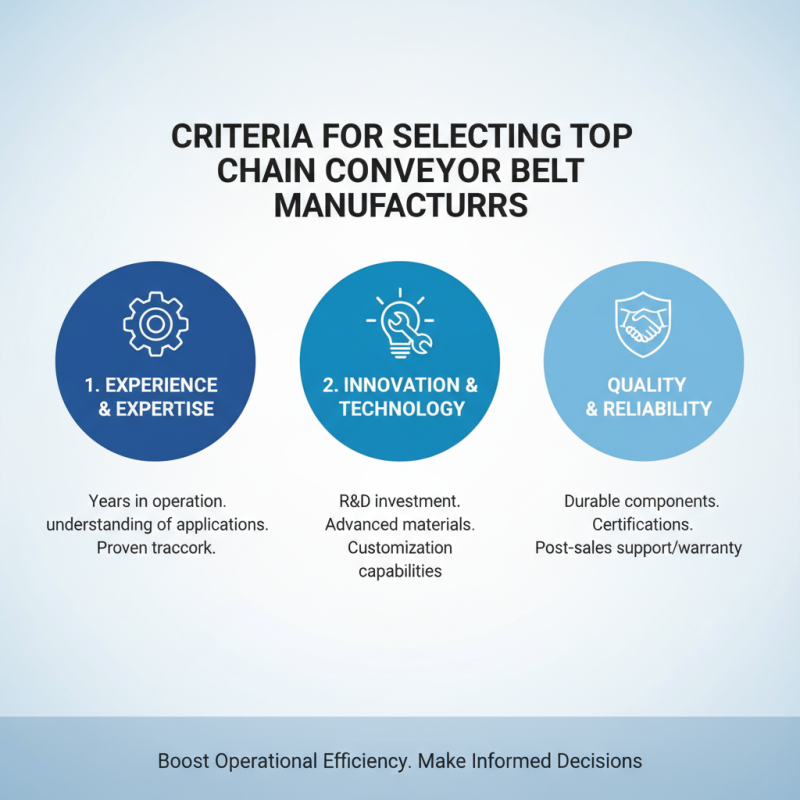
Understanding the top manufacturers helps businesses make informed decisions. This knowledge fosters confidence in the selection process. As we dive into the leading chain conveyor belt manufacturers, we will highlight their strengths and specialized offerings. From innovation to reliability, each has something valuable to provide.
Overview of Chain Conveyor Belts and Their Applications
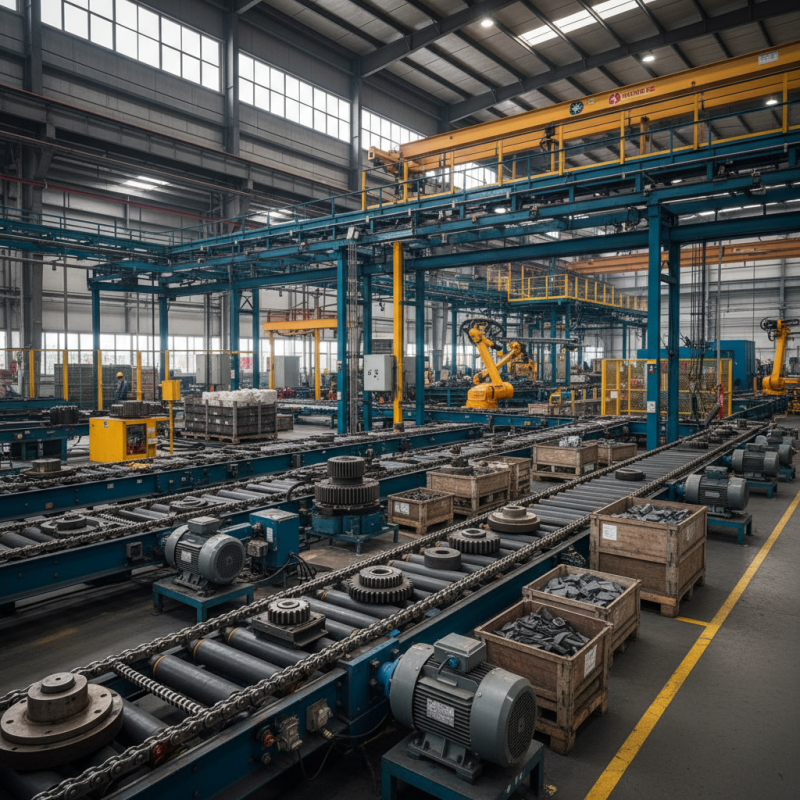
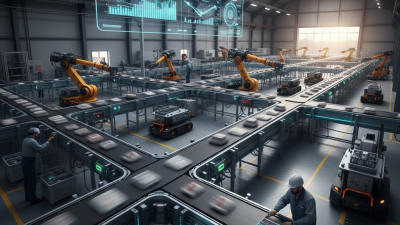
Chain conveyor belts are essential components in various industries. They transport materials efficiently and reliably. These belts come in different designs, tailored for specific tasks. They can handle heavy loads and transport items at varying speeds. This versatility makes them popular in manufacturing and logistics.
Applications of chain conveyor belts are wide-ranging. In food processing, they often transport bulk materials. In automotive industries, they facilitate assembly line operations. However, not all chain belts perform equally well across different applications. Some may require frequent maintenance or adjustments. Understanding the environment where they will be used is crucial for optimal performance.
Issues can arise if the wrong type of belt is chosen. Overloading can lead to premature wear and tear. A mismatch with the material properties could also occur. Therefore, engaging with knowledgeable professionals can help mitigate these risks. Engineering insight plays a significant role in selecting the right conveyor system.
Detailed Profiles of Leading Chain Conveyor Belt Manufacturers
In the world of industrial manufacturing, chain conveyor belts are critical. They facilitate the movement of goods within facilities. Understanding who leads in manufacturing these essential components is vital for businesses. Top manufacturers offer diverse solutions tailored to varied operational needs.
Each manufacturer specializes in different materials and designs. Some focus on lightweight belts suitable for small parts. Others produce heavy-duty options for large-scale operations. The right choice can enhance efficiency and minimize downtime. Companies must evaluate options carefully, considering factors like durability, flexibility, and application.
Many manufacturers thrive on innovation, incorporating advanced technology into their products. This can include modular designs that simplify maintenance. Some still struggle to meet sustainability goals, showing an area for improvement. As industries evolve, manufacturers must adapt quickly, ensuring they stay relevant in a competitive market.
Innovation and Technology Trends in Chain Conveyor Belt Production
In recent years, innovation in chain conveyor belt production has accelerated significantly. Manufacturers are incorporating advanced materials, such as high-performance polymers, to enhance durability and efficiency. These materials resist wear and tear better than traditional options, contributing to longer service life. Furthermore, improved manufacturing techniques, like 3D printing, allow for custom designs that meet specific operational needs. This trend empowers companies to reduce waste and optimize performance metrics effectively.
The integration of smart technology is also transforming the conveyor belt sector. Sensors embedded in the belts provide real-time data on performance and maintenance needs. This capability leads to proactive maintenance, reducing downtime and operational costs. Additionally, automation in production lines streamlines processes, yet there is an ongoing debate about job displacement. While automation enhances productivity, it also raises concerns about workforce adaptability. Balancing technology with human skills remains a challenge for many manufacturers.
Future Outlook for the Chain Conveyor Belt Industry
The chain conveyor belt industry is evolving rapidly. Innovations in materials and technology are driving enhancements in efficiency. Environmentally friendly practices are also becoming a focus. Manufacturers are adapting to these changes to stay competitive. The future looks promising, with growth expected in various sectors.
Tips: Keep an eye on the latest technology trends. Understanding advancements can help you make better decisions. Evaluate your current suppliers frequently.
Sustainability is a crucial factor. As industries aim to reduce their carbon footprint, eco-friendly conveyor belts will gain traction. This shift may challenge traditional manufacturing processes. Companies must invest in research and development to meet these new demands.
Tips: Consider the environmental impact of your choices. Choosing sustainable options can improve long-term profitability. Monitor regulatory changes that might affect your operations.
As automated systems become standard, chain conveyor belts will likely integrate more with AI and IoT. However, some companies struggle with these transitions. Training staff and updating systems can be complex. A plan for gradual implementation may ease this process.
Tips: Invest in employee training early. This can create a smoother transition to new technologies. An informed team is an asset in times of change.