Top 10 Industrial Belting Solutions You Need to Know?
Industrial belting is a critical component in many manufacturing processes. According to John Smith, a leading expert in the Industrial Belting sector, "The right belt can make or break your production line." This highlights the importance of selecting the right solutions for your specific needs.
Many companies face challenges when choosing the right industrial belt. Often, they underestimate the impact of proper belt selection on efficiency and maintenance costs. Subpar belts can lead to unexpected downtimes, which disrupt production schedules. Therefore, identifying the top solutions available is essential for staying competitive.
Understanding the nuances of industrial belting can be complex. However, knowing the top ten options can streamline your decision-making process. From fabric belts to modular belts, each has unique properties. Making an informed choice can significantly enhance productivity while minimizing risks associated with machinery failure.
Overview of Industrial Belting Solutions
Industrial belting is a crucial component in various manufacturing processes. The right belting solution can enhance efficiency and productivity while minimizing downtime. Reports indicate that the industrial belting market is projected to grow significantly, reaching approximately $7.7 billion by 2026. Understanding these solutions is essential for businesses aiming to optimize their operations.
When considering belting solutions, factors like material, width, and type play a vital role. Common materials include rubber, nylon, and PVC. Each has its strengths and weaknesses. For instance, rubber offers durability but may not perform well in high-temperature environments. Knowing the application requirements helps in choosing the right type.
**Tip:** Always assess your operational needs before selecting a belt. Compatibility with machinery affects longevity and performance. If a belt does not match the intended use, it might wear out faster than expected. Regular inspections can prevent unexpected failures and proactively save costs.
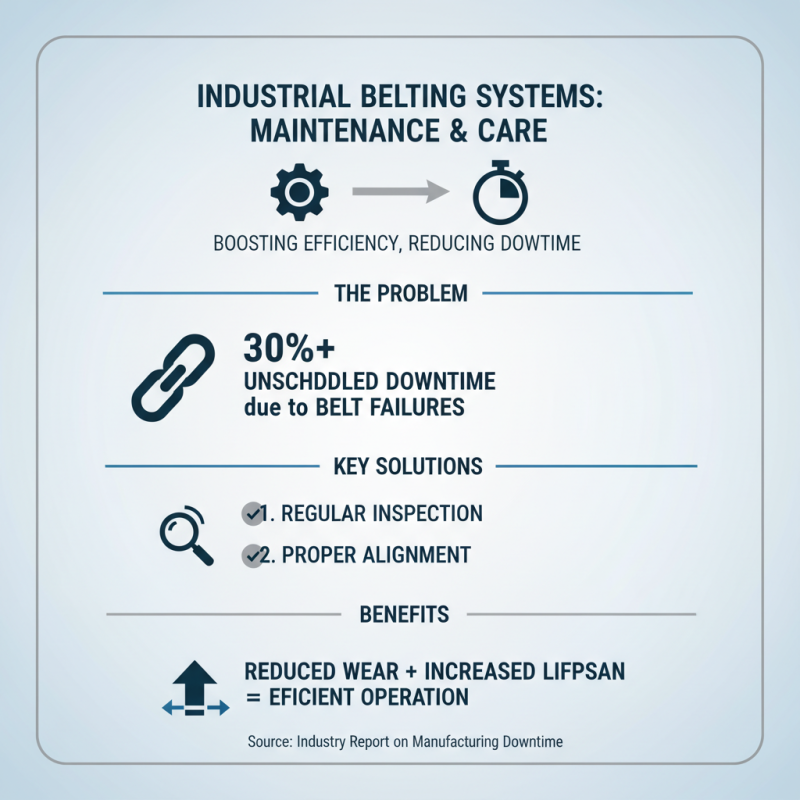
Another point to ponder is the maintenance of belting systems. Lack of proper maintenance leads to decreased efficiency. Neglecting wear and tear only increases the risk of breakdowns.
**Tip:** Implement a routine maintenance schedule. Check for signs of fraying or misalignment. Early detection is key. Keeping an eye on your equipment can ensure longer service life and better output.
Types of Industrial Belts and Their Applications
Industrial belts play a crucial role in various sectors. These belts are designed to transmit power and movement. Each type has specific uses. Understanding these can greatly enhance operational efficiency.
Flat belts are prevalent in numerous applications. They are ideal for transferring power in simple machinery. However, they may slip under heavy loads. Proper tension adjustment is vital here.
Timing belts, on the other hand, ensure precise movements in engines. They prevent slippage, maintaining synchronization. Yet, they require periodic checks to avoid failure.
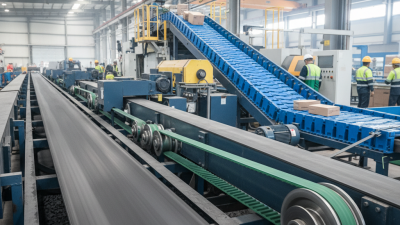
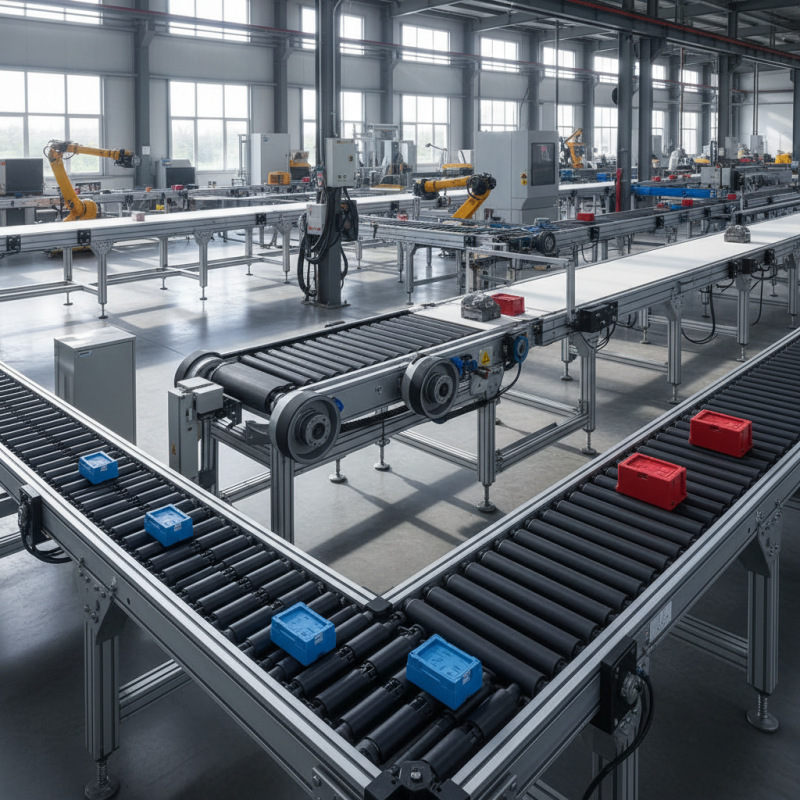
Conveyor belts are fundamental to material handling. They can transport heavy loads across distances. Yet, choosing the right material is essential for durability. There are also specialty belts for unique needs. Some are resistant to heat, while others are designed for high speed. Each option comes with its pros and cons. It's important to assess the operational environment closely.
Materials Used in Industrial Belting
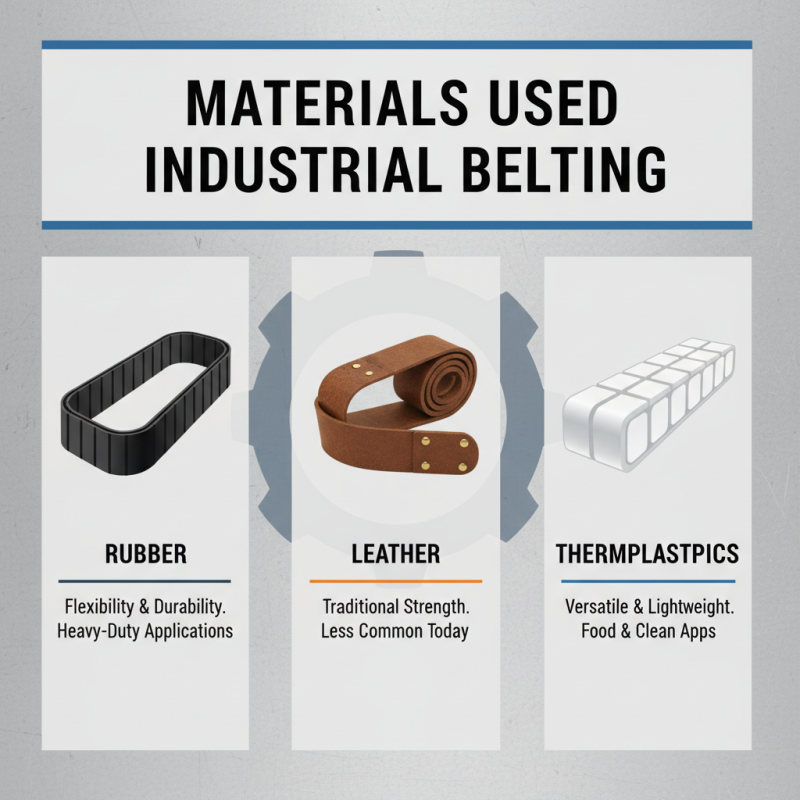
When it comes to industrial belting, the choice of material can greatly influence performance. Common materials include rubber, leather, and thermoplastics. Rubber belts offer flexibility and durability. They are ideal for heavy-duty applications. Leather, while traditional, is less common today but still valued for its strength.
Thermoplastic materials are gaining traction. They are lightweight and resistant to chemicals. This makes them suitable for various environments. For example, some industries prefer PVC belts for their waterproof nature. These belts can handle wet conditions effectively.
**Tip:** Evaluate the specific needs of your application. Consider factors like temperature and load capacity. This will help in selecting the right material.
Some companies overlook the impact of environmental factors on belting materials. Extreme temperatures can degrade certain types. Regular testing is crucial to maintain efficiency. Remember that what works for one setting may not suit another. Always revisit your choices.
**Tip:** Create a maintenance schedule. Check the condition of your belts routinely. This can prevent larger issues down the line.
Key Factors to Consider When Choosing a Belt
When choosing an industrial belt, several factors must guide your decision. The material of the belt plays a vital role. Common options include rubber, PVC, and leather. Each material has its own strength and weaknesses. For instance, rubber belts excel in flexibility, while PVC belts are great for moisture resistance. Reflect on the specific conditions where the belt will operate. Will it encounter heat, chemicals, or heavy loads?
Belt size and design are equally important. Choose a belt that matches your system’s specifications. This involves considering the width, length, and thickness. An ill-fitting belt can lead to inefficiencies and increased wear. Sometimes, the correct size can be hard to determine. It might require some trial and error to get it right. Pay attention to the tension and alignment as well; these factors greatly influence longevity.
Finally, think about the belt's installation and maintenance needs. Can your team handle repairs or replacements? Complex belts might require specialized tools and training. If you lack resources, it could lead to costly downtime. Does your team have access to proper training? Reflect on these aspects before making your choice.
Top 10 Industrial Belting Solutions You Need to Know