Top Wire Belting Solutions for Global Buyers in 2026?
In the ever-evolving landscape of manufacturing, Wire Belting remains a cornerstone for efficiency. Industry expert, Dr. Emily Carter, states, "Wire Belting is vital for optimizing production processes." Her insights reflect the critical nature of this sector as we look toward 2026.
As global buyers seek top-tier solutions, understanding Wire Belting trends is paramount. From food processing to heavy industries, the demand for durable, reliable belting systems is rising. Buyers must prioritize quality and adaptability when selecting suppliers. This ensures alignment with future industry standards and operational needs.
While the market offers many choices, not all options meet rigorous demands. Some Wire Belting products may fall short in performance or longevity. Buyers should carefully evaluate specifications and supplier reputation. Balancing cost and quality is essential in making informed decisions. As the industry faces challenges, ongoing innovation will be key. The right Wire Belting solution can significantly enhance productivity and reduce downtime.
Overview of Wire Belting Solutions Available for Global Markets in 2026
In 2026, wire belting solutions will play a vital role in various industries. These belts are essential for transporting materials efficiently. They offer durability and strength, making them suitable for harsh environments. Manufacturers need to consider specific requirements when selecting wire belts.
Different materials and designs cater to diverse applications. Stainless steel, for example, is widely used for its corrosion resistance. Some belts feature unique designs for specific tasks, enhancing performance. While these products are robust, they can be sensitive to temperature changes. Buyers must assess the operating conditions to ensure optimal functionality.
Despite the growing options, challenges remain.
Sizing can be a complex task, as it directly affects performance. Miscalculations may lead to operational inefficiencies. Additionally, maintenance kits may not always come with the product, complicating upkeep. It is crucial to understand these limitations while exploring available solutions.
Key Industries Utilizing Wire Belting Technology in 2026
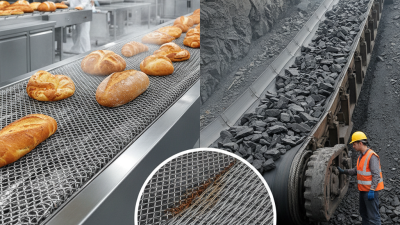
In 2026, various industries are increasingly relying on wire belting technology. This trend reflects the versatility and efficiency of wire belts in diverse applications. Food processing companies, for instance, utilize wire belts for their ability to withstand high temperatures. These belts assist in baking, frying, and conveying products. The open mesh design allows for optimal air circulation and easy cleaning, essential factors in food safety and quality.
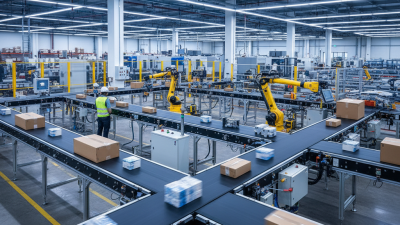
Manufacturing sectors also benefit greatly from wire belting. Automotive parts production often requires durable, high-strength belts. These belts can handle heavy loads and operate in harsh environments. This technology enhances the efficiency of assembly lines, reducing downtime. However, there are considerations regarding maintenance and wear. Regular inspections are necessary to ensure optimal performance.
The pharmaceutical industry is another key sector embracing wire belting. With strict hygiene standards, the smooth surfaces of wire belts facilitate easy sterilization. They enable seamless transport of sensitive materials within controlled environments. Yet, adapting to rapid technological advancements remains a challenge. Industries must stay updated on innovations to maintain their competitive edge while addressing these complexities.
Top Wire Belting Solutions for Global Buyers in 2026
| Industry |
Application |
Material Type |
Market Share (%) |
Projected Growth Rate (%) |
| Food Processing |
Conveying and Packaging |
Polyurethane |
30 |
5.5 |
| Automotive |
Assembly Lines |
Metal |
25 |
4.8 |
| Textile |
Fabric Transport |
Nylon |
20 |
6.2 |
| Pharmaceuticals |
Packaging Solutions |
Stainless Steel |
15 |
5.0 |
| Mining |
Material Handling |
Rubber |
10 |
3.5 |
Comparative Analysis of Leading Wire Belt Manufacturers Globally
In the rapidly evolving wire belting market, understanding the key players is crucial. Many manufacturers offer unique solutions, catering to diverse industry needs. Conducting a comparative analysis reveals varying advantages and challenges associated with each manufacturer. Some excel in durability, while others focus on customization options. Users must weigh these factors carefully before making decisions.
One common challenge across manufacturers is the complexity of material sourcing. Quality raw materials significantly impact belt performance. However, material availability can fluctuate, causing potential delays. Furthermore, not all manufacturers maintain strict quality control processes. Buyers need to ensure that their chosen provider upholds consistent production standards.
Additionally, innovation plays a vital role in the industry. Emerging technologies are reshaping how belts are designed and produced. While some manufacturers lead in this area, others may lag behind. This inconsistency can affect long-term reliability for buyers. Therefore, a thorough analysis of each manufacturer's commitment to innovation is essential for informed purchasing decisions.
Future Trends and Innovations in Wire Belting Solutions for Buyers
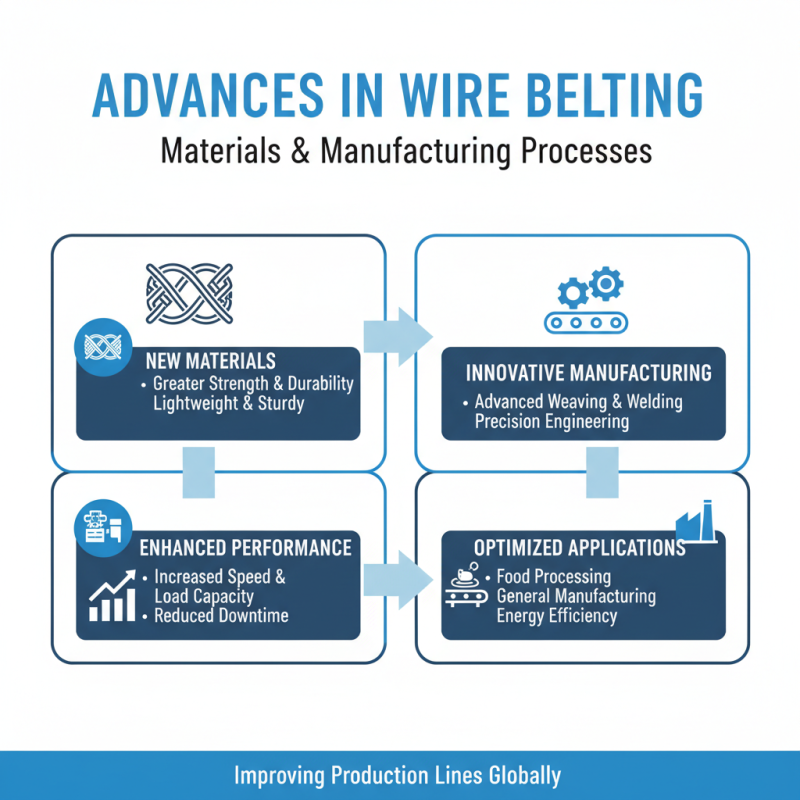
In 2026, wire belting solutions will witness innovative transformations. Enhanced materials and design will drive performance. Buyers can expect increased durability and reduced maintenance costs. These advancements will cater to diverse industries, from food processing to automotive manufacturing.
Sustainability will be a key focus. Manufacturers will explore eco-friendly materials. The use of recycled components could become standard. While these innovations promise efficiency, they may also raise questions. Are they truly sustainable? How reliable will these new materials be under pressure?
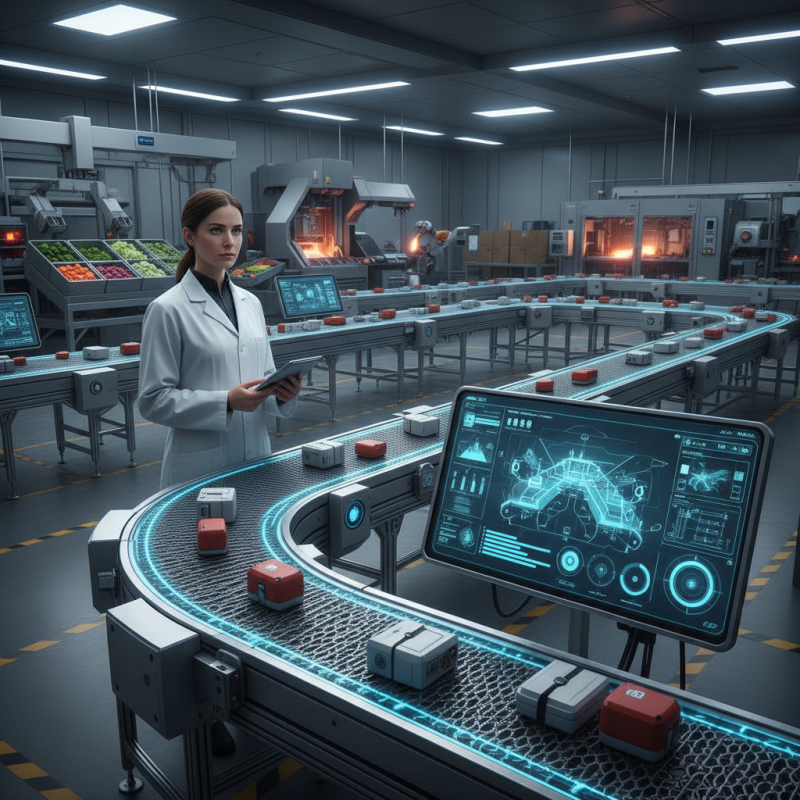
Automation will also shape the future of wire belting solutions. Integrating smart technology could provide real-time monitoring. This might enhance operational efficiency but could also lead to over-reliance on tech. Striking a balance between innovation and practicality is crucial.