2026 Best Sintering Furnace Belt Options for Global Buyers?
The sintering process is critical in various industries, from ceramics to metal production. A reliable Sintering Furnace Belt can enhance efficiency and product quality. As the demand for high-performance furnace belts grows, global buyers seek the best options for 2026.
Choosing the right Sintering Furnace Belt requires expertise. Factors like material, durability, and insulation properties are crucial. These belts must withstand extreme temperatures and harsh conditions. Minor errors in selection can lead to significant production issues.
Global suppliers are evolving, but not all options meet industry standards. It’s essential to evaluate each belt's specifications carefully. Industry professionals often face challenges in sourcing materials and ensuring compliance. Balancing cost and quality can be tricky. Ultimately, informed decisions lead to better operational outcomes.
Overview of Sintering Furnaces and Their Importance in Manufacturing
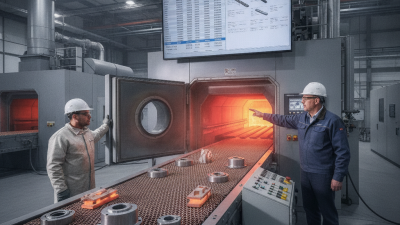
Sintering furnaces play a crucial role in manufacturing processes across various industries. These advanced machines are essential for compacting and solidifying materials such as metals, ceramics, and polymers. By applying heat without melting the materials, sintering enhances their strength and durability. According to a recent industry report, the global sintering furnace market is projected to grow by 4.5% annually, reflecting increasing demand in sectors like automotive and electronics.
When selecting a sintering furnace, buyers should consider several key factors. The temperature range, atmosphere control, and belt speed significantly impact the quality of the sintered product. Data shows that improper settings can lead to defects, which ultimately affect the final output. A furnace with precise temperature control can minimize these issues, leading to enhanced product consistency.
**Tips:** Regular maintenance of sintering furnaces is vital for optimal performance. Ensure that belts and heating elements are inspected routinely. Upgrading older models can also improve energy efficiency, which contributes to lower operational costs. Investing in advanced technology may yield long-term benefits, but it requires careful consideration of manufacturing needs and budget constraints.
2026 Best Sintering Furnace Belt Options for Global Buyers
This chart illustrates the cost per square meter of various materials used in sintering furnace belts. Understanding these costs is crucial for global buyers looking to optimize their manufacturing processes.
Types of Sintering Furnace Belts Available in 2026
When exploring the types of sintering furnace belts available in 2026, several materials emerge as popular choices. Metal belts are often noted for their durability and heat resistance. These belts can withstand high temperatures and are suitable for various applications. However, maintenance can be tricky, as they may require regular inspections to ensure longevity.
Ceramic belts offer another option, providing excellent thermal insulation. They are particularly favored in industries where heat retention is crucial. Yet, they can be fragile and prone to cracking under mechanical stress. Users should be prepared for this vulnerability, especially when working with large loads.
Lastly, composite belts have gained traction due to their lightweight and flexible features. They can adapt to different sintering processes, which is a significant advantage. However, they may not always perform well under extreme conditions. Buyers should weigh the benefits against potential drawbacks. Each belt type offers unique features, but also presents challenges that need careful consideration.
2026 Best Sintering Furnace Belt Options for Global Buyers
| Belt Type |
Material |
Temperature Range (°C) |
Thickness (mm) |
Load Capacity (kg/m²) |
Application |
| Ceramic Fiber Belt |
Ceramic Fiber |
1000 |
5 |
200 |
Sintering Ceramics |
| Steel Mesh Belt |
Stainless Steel |
800 |
3 |
300 |
Metal Sintering |
| Fiberglass Reinforced Belt |
Fiberglass |
600 |
2 |
150 |
Glass Sintering |
| PTFE Coated Belt |
PTFE |
260 |
1.5 |
100 |
General Sintering |
| Silicon Carbide Belt |
Silicon Carbide |
1200 |
10 |
500 |
High-Temperature Sintering |
Key Features to Consider When Choosing a Sintering Furnace Belt
When selecting a sintering furnace belt, understanding key features is essential. Belts must withstand high temperatures and aggressive atmospheres. Materials used in the belts should offer durability and resistance to wear. Choosing the right material can impact both efficiency and longevity.
Another vital consideration is the belt's width and thickness. These dimensions affect the load capacity and the overall sintering process. A wider belt may distribute weight better, whereas a thicker belt could resist deformation. It’s important to assess your specific needs before making a choice.
Additionally, monitoring technologies and ease of maintenance also matter. Advanced features can improve operational efficiency. However, they may complicate repairs. Balancing sophistication and simplicity in design can enhance reliability. Reflecting on these factors ensures you choose the right option for your sintering processes.
Top Brands and Suppliers of Sintering Furnace Belts for Global Buyers
When looking for the best sintering furnace belts, understanding top brands and suppliers is essential. Reliable suppliers often provide extensive product catalogs. They focus on high-quality materials and advanced engineering techniques. This ensures durability and efficiency in extreme conditions.
Many suppliers cater to diverse industries, offering tailored solutions. Some specialize in creating belts for specific applications. This specialization can lead to superior performance and longevity. Evaluating a supplier’s experience is crucial. Years in the market often indicate stability and expertise.
However, not all options may meet your needs. Some brands may prioritize low-cost offerings at the expense of quality. It's important to research each product's specifications. User reviews can provide insights into real-world performance. This reflective process helps in making informed, reliable choices.
Future Trends in Sintering Furnace Belt Technology and Applications
The future of sintering furnace belt technology is evolving rapidly. New materials are being developed to enhance durability and efficiency. Advanced ceramics and composites are gaining popularity. These materials offer better resistance to high temperatures and wear. As a result, buyers can expect longer lifespans for their sintering belts.
Innovations in manufacturing processes are also shaping this technology. Automated production lines improve consistency and reduce defects. This ensures high-quality products that meet strict industry standards. Sustainable practices are being integrated as well. Eco-friendly materials and energy-efficient processes are becoming more common. Buyers need to keep an eye on these trends for long-term benefits.
Tips: Regular maintenance of sintering furnace belts is crucial. Inspect belts frequently to identify wear points. This proactive approach helps extend their lifespan. Moreover, engaging with suppliers on new developments can offer insights. Staying updated is key to making informed purchasing decisions.