The Best Sintering Furnace Belt Options for Efficient Industrial Processes
In the competitive landscape of industrial processes, choosing the right Sintering Furnace Belt is crucial. Experts emphasize that the belt’s quality can significantly impact overall efficiency. Dr. Emily Chen, a renowned materials engineer, once stated, “The right belt can improve production speed and reduce costs.” Her insights highlight the importance of this component in industrial applications.
Sintering Furnace Belts play a vital role in the manufacturing of ceramics and metal parts. They must withstand extreme temperatures while maintaining durability. Different materials, such as ceramic and metal alloy belts, offer various advantages. The choice largely depends on the specific needs of the process. Selecting the ideal Sintering Furnace Belt requires careful consideration.
However, the search for the best options can be tricky. Each belt type presents unique challenges and performance characteristics. Companies often face dilemmas about durability versus cost. It's essential to weigh these factors carefully. Consulting industry experts can provide valuable insights into decision-making. Ultimately, understanding the nuances of Sintering Furnace Belts ensures a more efficient and reliable production process.
Factors to Consider When Choosing a Sintering Furnace Belt
When selecting a sintering furnace belt, several critical factors come into play. Firstly, the material composition is vital. The belt must withstand high temperatures while maintaining structural integrity. This requires a careful evaluation of materials like stainless steel or ceramic composites. Performance under extreme conditions can impact productivity significantly.
Another factor is the belt's surface finish. A smooth finish can enhance the flow of materials and minimize friction. The design should ensure uniform heating, as inconsistencies can lead to defects in the final product. Manufacturers should also consider the belt’s load capacity. An overloaded belt may suffer damage or reduce the efficiency of the sintering process.
Maintenance is another crucial aspect. Regular inspection is necessary to prevent unexpected breakdowns. Operators should have a clear understanding of the maintenance procedures to avoid costly downtimes. The choice of a sintering furnace belt is not merely technical; it requires a reflective approach. Each decision affects both the operational efficiency and product quality. Attention to detail is essential for optimizing industrial processes.
Types of Sintering Furnace Belts and Their Applications
Sintering furnaces play a vital role in various industrial processes. The belt used in these furnaces significantly impacts efficiency and productivity. Different types of sintering furnace belts are tailored to specific applications. Ceramic, metal, and composite belts each offer unique benefits in high-temperature environments.
Ceramic belts are known for their excellent thermal stability. They can withstand extreme heat without degrading. These belts are ideal for industries processing ceramics and glass.
On the other hand, metal belts provide durability and strength. They are suitable for applications requiring heavy loads and high wear resistance.
Composite belts combine the strengths of both materials. They offer flexibility and are lightweight, making them suitable for diverse applications.
Choosing the right belt is crucial for optimizing operation. Consider the specific requirements of your process. Will it handle heavy materials? What temperature range do you need? Reflect on these questions to ensure you select the most effective sintering furnace belt for your needs.
Advantages of High-Temperature Resistant Belts in Industrial Sintering
High-temperature resistant belts are crucial in the industrial sintering process. These belts operate effectively at elevated temperatures, which are essential for sintering various materials. Reports indicate that using advanced materials can resist up to 1400°C. This endurance minimizes wear and prolongs the lifespan of the equipment, leading to cost savings over time.
Companies using high-temperature belts report increased efficiency in their production processes. The right material can enhance thermal conductivity, ensuring uniform heating across the belt. This uniformity is vital for achieving optimal sintering results. Industry studies reveal that improved heat distribution can reduce processing times by nearly 20%.
Tips: Always check the compatibility of the belt material with the specific sintering environment. Regular maintenance is key to prolonging belt life.
High-temperature belts not only ensure better output but also reduce the risk of operational failures. However, selecting the wrong belt can lead to inefficiencies. Many manufacturers overlook this detail, impacting overall productivity. Careful consideration and research can yield significant benefits in industrial sintering processes.
The Best Sintering Furnace Belt Options
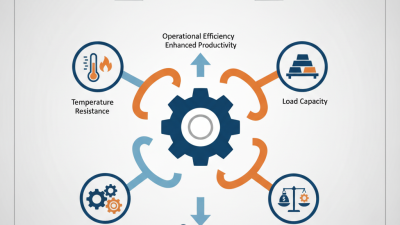
This chart illustrates the advantages of different types of high-temperature resistant belts used in industrial sintering processes. The data represents various belt materials along with their resistance to temperature, wear, and operational efficiency ratings.
Maintenance Tips for Prolonging the Life of Sintering Furnace Belts
Sintering furnace belts are essential in various industrial processes, from ceramics to metal parts. Regular maintenance can significantly extend their lifespan. According to recent industry reports, effective maintenance can increase belt life by up to 30%. This is a crucial factor for manufacturers, as the replacement costs can be substantial.
To prolong the life of sintering furnace belts, operators should regularly check for wear and tear. Visual inspections should include checking for fraying or cracks. Any signs of deterioration can lead to more extensive damage. Keeping the furnace clean is another critical component. Residual materials can cause unnecessary friction and increase wear on the belt. Reports highlight that proper cleaning practices reduce breakdowns by nearly 20%.
Temperature regulation is vital. Overheating can warp the belt, compromising its performance. Monitoring temperature fluctuations can prevent premature failure. It’s also essential to ensure correct alignment and tension settings. Misalignment can increase stress on the belt, leading to faster wear. Keeping these factors in mind can help industries achieve greater efficiency while minimizing maintenance costs.
Case Studies: Successful Implementations of Sintering Furnace Belts in Industry
In recent years, sintering furnace belts have become crucial in various industrial processes. For example, a study conducted in 2022 showed that companies utilizing advanced sintering belts achieved a 20% increase in production efficiency. These belts facilitate uniform heating and cooling, ensuring that materials maintain structural integrity throughout the sintering process. This enhances not just quality but also throughput, leading to reduced operational costs.
A notable case study from the ceramics industry highlighted a specific implementation where businesses transitioned to high-temperature-resistant sintering belts. They reported a significant reduction in downtime. However, it’s important to address the challenges of adapting existing equipment. Several firms faced initial resistance due to the costs and learning curves associated with new technologies. Despite these hurdles, 80% of those participating in a survey noted a solid return on investment within the first year of implementation.
Successful implementations also emphasize the importance of continuous monitoring and adjustments. Those who proactively managed their sintering processes and addressed potential bottlenecks saw improved outcomes. Data from industry reports indicate that firms experiencing operational inefficiencies frequently took more than six months to adapt their systems. The expertise gained during these transitions often led to innovative solutions, pushing the boundaries of traditional manufacturing processes.