Choosing the right Oven Conveyor Belt in 2026 requires more than comparing prices or catalog photographs. Global buyers must examine temperature range, belt width, load capacity, conveyor speed, product contact, and cleaning conditions. A belt carrying soft bread may need different support from one transporting frozen pizza or coated snacks. Small details matter. A two-millimeter width error can affect tracking, sealing, and production flow.
This guide introduces common belt types, including stainless steel mesh, PTFE-coated fiberglass, solid plate, chain-driven, and roller-supported designs. Each type offers distinct benefits. Stainless steel mesh handles heat and airflow effectively. PTFE belts support release performance and reduce sticking. Chain-driven belts often suit heavier loads and continuous industrial lines. However, stated performance depends on belt construction, edge finish, oven temperature, and maintenance quality. Buyers should request technical drawings, material certificates, temperature test data, and documented food-contact suitability from qualified suppliers.
Real production conditions can challenge neat specifications. Flour dust may collect around sprockets. Oil can weaken some coatings. Uneven tension may create tracking problems within weeks. No single belt fits every oven. That is easy to forget. This overview therefore compares practical selection factors, not only advertised features. It also considers service life, joint methods, spare-part availability, installation support, and supplier traceability. Some recommendations may need adjustment after testing actual products on the line. A controlled trial remains wiser than relying on assumptions, especially when purchasing across different climates, regulations, and factory standards.
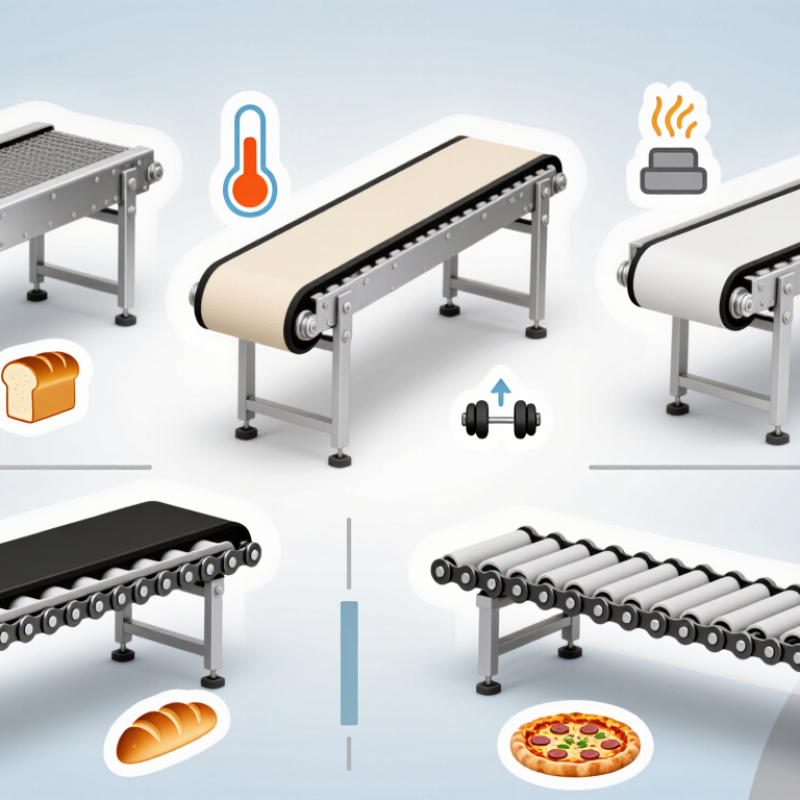
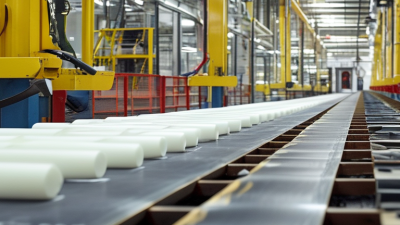
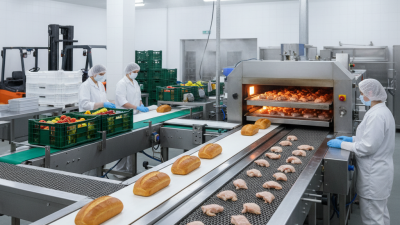
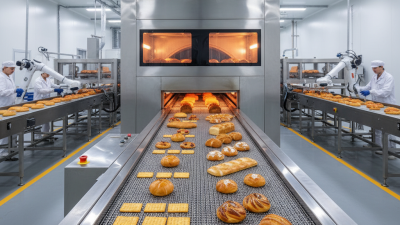
An oven conveyor belt moves food through controlled heating zones at a steady speed. It usually runs over a drive sprocket, support rollers, and a tensioning system. As the belt travels, heated air, radiant energy, or both cook the product evenly. Belt speed controls residence time. A small speed change can affect color, moisture, and texture.
Common types include wire mesh, solid plate, chain-driven, and stone-style belts. Wire mesh allows strong airflow and suits biscuits, snacks, and baked goods. Solid belts provide stable support for softer products. Chain-driven designs handle heavier loads, but they need accurate alignment and lubrication. No belt choice is perfect. Heat, cleaning chemicals, product weight, and repeated expansion can shorten service life.
Tips: Check the operating temperature, belt width, load, and product spacing before purchasing. Inspect joints and edges during routine cleaning. A belt may meet the temperature rating yet wear early if airflow is poor. Watch for unusual noise, drifting, or uneven browning. These small signs often reveal tension or alignment problems before production is affected. Supplier drawings and maintenance records also improve replacement accuracy.
Oven conveyor belts are classified by material, structure, surface, and operating temperature. Common groups include stainless-steel mesh, solid polymer, coated fabric, and slat-chain belts. Stainless-steel mesh supports strong airflow and rapid heat transfer. Solid polymer belts suit smaller openings and controlled product placement. Coated fabric belts can reduce sticking during baking. Slat-chain designs handle heavier products and complex transfer points.
Classification also depends on belt opening, wire diameter, pitch, edge style, and drive method. Open mesh improves circulation but may mark soft dough. Tight mesh protects small products but can slow heat penetration. Coated surfaces release sticky foods, although damaged coatings require immediate inspection. Temperature ratings must come from test data, not guesswork. This is where buyers often oversimplify.
The 2024 UNEP Food Waste Index Report estimated 1.05 billion tonnes of food waste in 2022. Better conveying control can reduce burning, sticking, deformation, and rejected batches. For hygiene-sensitive production, EN 1672-2 emphasizes cleanable food machinery surfaces and hygienic design. FDA 21 CFR 177.2600 also provides compliance references for repeated-use rubber articles contacting food. These standards do not select the belt for you. They narrow unsafe choices. In practice, oven length, product weight, cleaning chemicals, and actual heat exposure should decide the final type. The classification is useful, but never perfect. Real trials still matter.
Oven conveyor belts are commonly classified by belt material and construction. The chart compares typical continuous operating-temperature ranges for widely used belt types in baking, food processing, drying, and industrial heat-treatment systems.
How to read the classification: Polyester mesh is generally selected for low-temperature drying and conveying. Silicone rubber belts suit moderate-temperature food ovens and release applications. PTFE-coated fiberglass belts provide non-stick performance and chemical resistance at higher temperatures. Stainless steel and carbon steel wire-mesh belts are used for high-temperature baking, cooking, washing, drying, and heat-treatment processes. Actual limits depend on belt thickness, mesh design, tension, airflow, dwell time, load, and the oven atmosphere.
Which Materials Are Used in Modern Oven Conveyor Belts?
Modern oven conveyor belts combine heat resistance, food safety, and mechanical strength. Stainless-steel wire mesh remains common because it tolerates repeated heating, cooling, and cleaning. Fine mesh supports small biscuits, while wider openings improve airflow around thicker products. In practical bakery lines, belt pitch must match product size. A poor match causes marks, tipping, or lost pieces.
PTFE-coated fiberglass belts suit release-sensitive foods and moderate-to-high oven temperatures. Their smooth surface reduces sticking, especially with sugary dough. Aramid-reinforced belts provide lower weight and strong tensile performance, although they may cost more. Silicone-coated fabrics can offer flexibility and release properties, but their long-term performance depends on temperature, tension, and cleaning chemicals.
A 2023 MarketsandMarkets report estimated the conveyor system market could grow from about USD 7.7 billion in 2023 to USD 10.6 billion by 2028. This growth supports broader material selection, not one universal belt. ASTM food-contact guidance and regional regulations also influence belt coatings and metal grades. Experienced operators still inspect joints, frayed edges, and surface wear daily. Small defects matter.
Temperature alone is not enough. I have seen specifications overlook humidity and washdown frequency. That is a costly gap. Reported oven temperatures may look acceptable, yet belt life can fall sharply under thermal shock, abrasive crumbs, or incorrect tension. Global buyers should request material certificates, operating limits, and cleaning compatibility before approval.
| Material or Belt Type | Typical Construction | Typical Continuous Operating Temperature | Key Advantages | Common Oven Applications | Main Limitations |
|---|---|---|---|---|---|
| 304 Stainless Steel Wire Mesh | Woven or balanced-weave wire mesh made from austenitic stainless-steel wire | Up to approximately 500–800°C | Good oxidation resistance, clean surface, reliable strength, and broad availability | Bakery ovens, snack ovens, food drying, roasting, and general heat-treatment lines | May experience oxidation or reduced strength at higher temperatures than nickel-based alloys; not ideal for severe chloride exposure |
| 316 Stainless Steel Wire Mesh | Woven, rod-reinforced, or balanced-weave mesh containing molybdenum for improved corrosion resistance | Up to approximately 500–800°C | Better resistance to chlorides, salts, and many food-processing chemicals than 304 stainless steel | Salted foods, seafood processing, hygienic baking lines, and corrosive wash-down environments | Higher material cost; its high-temperature strength is not equivalent to nickel-based alloys |
| Carbon Steel Wire Belt | Woven or chain-edge steel belt using high-carbon or low-alloy steel wire | Typically up to approximately 400–500°C | High tensile strength, good abrasion resistance, and comparatively low purchase cost | Moderate-temperature ovens, coating lines, general industrial heating, and non-corrosive applications | Prone to rust and oxidation without suitable protection; unsuitable for many humid or corrosive food environments |
| Inconel 600 / Nickel-Alloy Wire Belt | High-temperature woven mesh, rod belt, or chain-driven belt made from nickel-chromium alloy | Approximately 800–1,100°C, depending on alloy and atmosphere | Excellent high-temperature strength, oxidation resistance, and resistance to carburizing environments | Heat treatment, ceramic firing, powder processing, sintering, and high-temperature industrial ovens | Significantly higher cost; selection must consider atmosphere, load, belt design, and thermal expansion |
| Nickel-Chromium FeCrAl Alloy Belt | Wire mesh or strip belt manufactured from iron-chromium-aluminum heating-resistant alloy | Approximately 900–1,200°C in suitable oxidizing atmospheres | Strong resistance to oxidation and scale formation at elevated temperatures | Continuous heat treatment, ceramics, glass processing, laboratory furnaces, and high-temperature drying | Can become brittle after prolonged high-temperature exposure; generally less suitable for repeated mechanical impact |
| PTFE-Coated Fiberglass Belt | Fiberglass fabric substrate coated with polytetrafluoroethylene, usually with an open or solid surface | Approximately -73°C to 260°C | Non-stick surface, low friction, chemical resistance, easy product release, and low moisture absorption | Conveyorized baking, tortilla production, confectionery, laminating, drying, and food release applications | Not suitable for direct high-temperature flame or temperatures above the PTFE service limit; coating can be damaged by sharp edges |
| Polyester or Aramid Fabric Belt | Woven synthetic fabric belt, sometimes combined with a heat-resistant coating or specialized surface finish | Usually approximately 80–150°C, depending on polymer and belt design | Lightweight, quiet operation, flexible tracking, and suitable for low-to-moderate temperature conveying | Proofing, cooling, low-temperature drying, packaging transfer, and short-duration warm-product handling | Lower heat resistance than metal or PTFE belts; prolonged exposure to high oven temperatures can cause shrinkage or loss of strength |
| Stainless Steel Plate or Slat Belt | Hinged plates, perforated slats, or modular stainless-steel sections connected by hinge rods | Typically approximately 400–800°C, depending on steel grade and design | Rigid conveying surface, strong load support, easy cleaning, and good resistance to product impact | Heavy baked goods, roasting, cooking, freezing-to-heating transfer, and industrial food ovens | Heavier than wire mesh; higher thermal mass can increase energy consumption and product contact time |
| Perforated Stainless Steel Sheet Belt | Continuous or segmented stainless-steel sheet with punched holes or slots for airflow | Typically approximately 400–800°C, depending on alloy and thickness | Uniform product support, controlled airflow, low product loss, and good resistance to deformation | Cracker ovens, biscuit lines, roasting, drying, and products requiring stable positioning | Less open area than fine wire mesh; thermal expansion and belt weight must be considered during design |
Temperature ranges are typical engineering ranges rather than universal ratings. The actual allowable temperature depends on alloy grade, wire diameter, belt construction, load, line speed, oven atmosphere, heating method, and cleaning conditions. Food-contact and safety requirements should be verified for the complete conveyor-belt assembly.
Matching the conveyor belt to the baking application matters more than choosing the lowest price. Wire mesh belts suit cookies, crackers, and bread products needing strong airflow. Their open structure supports even heat transfer and crisp bottoms. However, very small dough pieces may fall through the mesh. A finer opening can help, but it may slow cleaning and increase belt weight.
Solid belts work well for soft dough, filled pastries, and products requiring a smooth surface. They reduce marking, yet moisture can remain under the product.
Perforated belts offer a practical middle option. They support delicate items while allowing some ventilation.
Chain-link belts handle heavier loads, but their joints need regular inspection.
In production trials, I check product weight, oven temperature, belt speed, and cooling behavior together. One variable can hide another problem.
Tips: Test the belt with real dough, not only samples. Measure the product’s bottom color and moisture after baking. Check belt tracking when the oven is hot. Confirm the belt material, allowable temperature, cleaning method, and load capacity with technical documentation. A belt that performed well last season may fail after recipe changes. This is easy to overlook. Also, wider openings are not always better. They can improve airflow but leave visible marks or weaken small products. Allow room for adjustment, because the perfect match is rarely obvious on the first trial.
Global buyers should check the oven conveyor belt as a complete system, not as an isolated spare part. Belt material must match the product, temperature, oil level, and cleaning chemicals. Stainless steel mesh suits many bakery lines, while solid belts can reduce crumbs and product marking. I would not trust a catalogue temperature alone. Ask for continuous operating temperature, peak temperature, belt tension, and validated service life.
Energy deserves careful attention. The International Energy Agency reports that industry uses about 37% of global final energy. A poorly matched belt can increase drag, heating time, and maintenance demand. Check belt weight, drive power, air circulation, and insulation around the oven opening. Request test data under your real load, not only an empty-belt result. Small gaps matter.
Food safety documentation is equally important. The FDA Food Code 2022 emphasizes cleanable, corrosion-resistant food-contact surfaces. Buyers should request material certificates, traceability records, weld-finish details, and cleaning instructions. For international shipments, verify conformity with the destination market’s food-contact rules. Also examine spare-link availability, installation tools, warranty limits, and local technical support. A cheaper belt may still cost more after one emergency shutdown. PMMI industry research continues to identify labor and maintenance pressure as major packaging concerns, so simple inspection points and quick replacement deserve more weight than glossy specifications.