What Are the Benefits of Chain Conveyor Belts for Your Business?
In today's competitive landscape, businesses are constantly seeking ways to improve efficiency and productivity. One innovative solution is the Chain Conveyor Belt. This system offers remarkable benefits for various industries, from manufacturing to logistics.
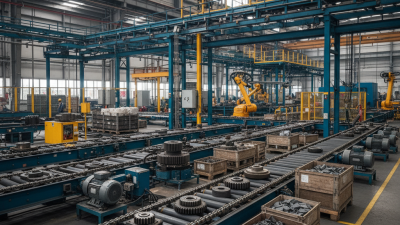
A Chain Conveyor Belt enhances material handling, ensuring smooth and reliable transport. This leads to reduced operational delays and increased output. Its design allows for the movement of heavy loads over long distances. This saves time and energy, contributing to overall operational success.
However, not all Chain Conveyor Belts are created equal. Choosing the right type requires careful consideration. Factors like load capacity, speed, and environmental conditions play a crucial role. Businesses may find themselves overwhelmed by choices. It's critical to balance efficiency with cost-effectiveness. Seeking expert guidance can prevent costly mistakes and optimize performance.
Benefits of Chain Conveyor Belts in Manufacturing Efficiency
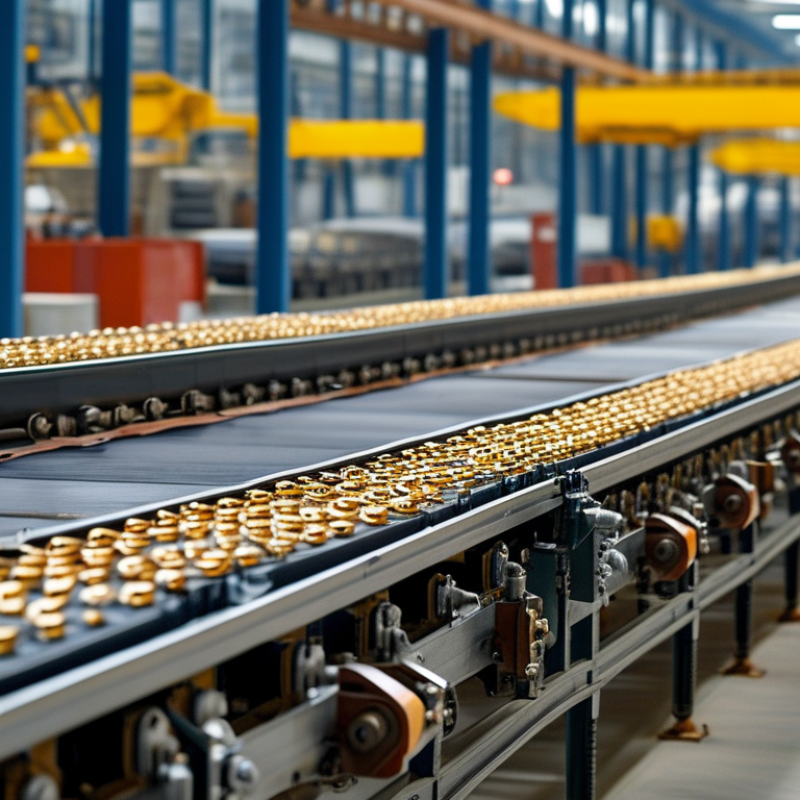
Chain conveyor belts play a pivotal role in enhancing manufacturing efficiency. Their sturdy design allows for the smooth movement of heavy loads, streamlining production processes. By reducing manual handling, businesses can cut down labor costs and minimize the risk of workplace injuries. This leads to a more productive environment, crucial for meeting tight deadlines.
Tips: Regular maintenance of conveyor belts is essential. Check for wear and tear frequently. A small issue can lead to significant downtime.
Moreover, chain conveyor belts can be tailored to specific production needs. They accommodate various materials, from small components to large assemblies. Custom designs improve workflow and reduce bottlenecks in production lines, offering a significant competitive edge.
Tips: Invest time in training staff on optimal usage. Knowledgeable operators can identify early signs of malfunction.
The reliability of chain conveyor belts also cannot be overlooked. They often work continuously, handling tasks without frequent breakdowns. This consistent performance ensures high throughput, which is vital for meeting customer demand. However, businesses should reflect on their specific needs. What works for one setup might not suit another, highlighting the need for careful planning.
Impact of Chain Conveyor Belts on Production Costs and Labor Savings
Chain conveyor belts significantly influence production costs and labor savings in modern manufacturing. According to a report by the Conveyor Equipment Manufacturers Association, facilities that utilize these systems can reduce operational costs by up to 30%. This cost efficiency stems from their ability to streamline the transport of materials. Employees spend less time waiting for materials and more time on productive tasks.
Labor savings are another crucial benefit. A study published in the Journal of Manufacturing Science & Engineering noted that automation through conveyor systems can decrease labor requirements by approximately 40%. This shift allows employees to engage in more skilled jobs, enhancing overall productivity. However, these systems may require significant upfront investment and maintenance, which can be a barrier for some businesses.
Maintenance costs are often underestimated. Regular inspections and repairs are critical to keep the systems functioning smoothly. According to industry data, neglecting maintenance can lead to a 25% increase in long-term operational costs. Companies should weigh the initial savings against potential maintenance issues. Understanding these factors is essential for making informed decisions about implementing chain conveyor belts in operations.
Benefits of Chain Conveyor Belts for Your Business
Enhancing Product Safety and Quality with Chain Conveyor Belts
Chain conveyor belts have become essential in many industries, especially for enhancing product safety and quality. They offer a sturdy and reliable means of transporting goods. When set up correctly, these systems minimize the risk of product contamination. As materials move along the belt, there's less handling, reducing human error. This means less chance of items being dropped or damaged.
For optimal performance, regular maintenance is key. Inspect the belts frequently for wear and tear. Ensure that all components function correctly. A well-maintained chain conveyor not only prolongs its life but also ensures product integrity. Additionally, consider the material of the conveyor belt. Certain materials can better resist chemicals and contaminants.
Training staff on proper operating procedures is crucial. Even the best systems can falter without knowledgeable operators. Encourage your team to report any issues immediately. This proactive approach can save time and resources down the line. Enhanced safety and quality start with attentive handling.
Chain Conveyor Belts vs. Traditional Conveyors: A Performance Comparison
Chain conveyor belts are increasingly favored over traditional conveyors for several reasons. They provide better support for heavier loads, making them ideal for industrial applications. These belts are designed to handle more weight, meaning less downtime due to maintenance or replacements. Their robust construction often leads to a longer lifespan compared to conventional systems.
In terms of performance, chain conveyor belts excel in various environments. They perform reliably in high-temperature situations or areas with moisture. Unlike traditional conveyors, they can maintain consistent speeds and flow rates, contributing to overall efficiency. However, they may require more initial investment. Businesses should consider their specific needs and potential long-term savings when choosing a conveyor system.
Despite their advantages, chain conveyor belts come with challenges. Installation can be complex, requiring skilled labor. Regular maintenance is crucial to prevent mechanical failures. Some businesses might underestimate these needs, leading to unexpected downtime. It's essential to weigh these factors carefully before making a decision.
Sustainability Benefits of Using Chain Conveyor Belts in Supply Chains
Chain conveyor belts have become a vital component in modern supply chains, especially concerning sustainability. According to a report by the Global Supply Chain Council, optimizing conveyor systems can reduce energy consumption by up to 30%. This reduction is crucial as businesses aim to lower their carbon footprints while maintaining efficiency.
Using durable materials in chain conveyor belts contributes to their longevity. This results in fewer replacements, minimizing waste in landfills. A study from the International Journal of Industrial Technology noted that companies adopting such systems saw a decrease in material waste by 25%. However, a shift to more sustainable options often encounters challenges, such as the initial investment and the need for staff training.
Moreover, energy-efficient models can significantly lower operational costs. These systems can offer a return on investment within a few years due to savings on energy bills. However, it is essential to regularly assess the performance of these conveyor belts. Continuous improvement often reveals unforeseen advantages or areas needing adjustments. As this industry evolves, so must the strategies that companies implement to remain committed to sustainability.