Top Benefits of Wire Belting for Global Manufacturers?
In the fast-paced world of manufacturing, efficiency and reliability are critical. Wire belting has emerged as an essential component for global manufacturers. This versatile material offers numerous advantages that can enhance production processes.
Wire belting's unique design provides excellent airflow and drainage, making it suitable for various applications. Its durability ensures a long lifespan, reducing the need for frequent replacements. Moreover, wire belting can withstand extreme temperatures and heavy loads, proving its versatility. However, it is important to consider installation and maintenance challenges.
Manufacturers can benefit greatly by understanding the full potential of wire belting. Choosing the right type can lead to significant efficiency improvements. Learning about the specific needs of your production line is crucial. The right wire belting can transform operations and contribute to long-term success.
Understanding Wire Belting: An Overview of Its Features
Wire belting is a critical component for many global manufacturers. Its unique features make it ideal for various applications. These belts are often made from stainless steel, allowing for high strength and durability. According to industry reports, corrosion resistance plays a vital role, especially in food processing and chemical industries. Wire belting offers excellent airflow and cooling, leading to increased efficiency in manufacturing.
Another significant aspect of wire belting is its modular design. This feature allows easy replacement of damaged sections, minimizing downtime. A study from the Material Handling Industry shows that companies can reduce maintenance costs by approximately 30% when using wire belts. Additionally, the open structure of wire belting facilitates easy cleaning. This can be particularly important in hygienic environments, where contamination risks must be minimized.
However, relying solely on wire belting may not be suitable for every operation. Some applications may require different materials or belt types. This potential limitation highlights the need for manufacturers to carefully assess their specific needs. The choice of belting can impact their overall production process. An informed decision can lead to better performance and reliability in the long run.
Top Benefits of Wire Belting for Global Manufacturers
| Feature |
Description |
Benefit |
| Durability |
Made from high-quality materials, wire belting can withstand high temperatures and heavy loads. |
Prolonged operational lifespan and reduced maintenance costs. |
| Versatility |
Suitable for various applications across different industries, including food processing and manufacturing. |
Broad usability enhances production line flexibility. |
| Ease of Cleaning |
Open design allows for easy access to clean the belts thoroughly. |
Improved hygiene and compliance with food safety standards. |
| Temperature Resistance |
Can operate effectively in high-temperature environments. |
Ideal for baking or processing hot products without compromising performance. |
| Lightweight Design |
Constructed using thin wires, reducing overall weight. |
Leads to lower energy consumption and easier handling. |
Key Advantages of Wire Belting for Global Manufacturing Operations
Wire belting offers numerous advantages for global manufacturing operations. With its durability and resistance to extreme conditions, it stands out as an ideal choice for various industries. A report from a leading manufacturing association noted that nearly 70% of facilities have adopted wire belting systems to improve efficiency. This data reflects a growing trend in manufacturing processes, where reliability is crucial.
The versatility of wire belts also caters to diverse applications. They can handle various materials, from heavy metal parts to food items. According to an industry survey, over 60% of manufacturers reported reduced downtime after switching to wire belting. This result showcases the efficiency achieved with proper installation and maintenance. However, some companies face challenges in adjusting to this change.
Cost-effectiveness is another important factor. While initial investments can be significant, maintenance costs are often lower compared to traditional options. A study revealed that businesses utilizing wire belting experienced a 25% decrease in long-term operational costs. Yet, it's vital to consider that improper usage can lead to wear and reduced lifespan. Understanding the specific needs of your manufacturing process is critical for maximizing these benefits.
Cost Efficiency: How Wire Belting Reduces Operational Expenses
Wire belting offers compelling cost efficiency for global manufacturers. Industry reports indicate that switching to wire belting can reduce operational expenses by up to 20%. This comes from the lower maintenance costs and improved durability of wire belts, compared to traditional materials. For example, wire belts operate at higher temperatures, which can lead to longer service life in challenging environments. They are also resistant to corrosion, further extending their usability.
In addition, wire belting allows for reduced downtime during production. The seamless design minimizes product loss and maximizes throughput. According to a study by the Manufacturing Institute, companies that adopt wire belting see a decline in maintenance incidents by around 30%. This reduction translates into significant savings on labor and repair costs.
However, manufacturers should also consider potential challenges. For instance, initial investments in wire belting systems may seem high. Additionally, switching from existing systems requires thorough training for operators. Yet, the long-term benefits often outweigh these initial hurdles. Overall, wire belting can transform operational efficiency while lowering costs.
Top Benefits of Wire Belting for Global Manufacturers
This chart illustrates the top benefits of wire belting for global manufacturers, focusing on cost efficiency, durability, flexibility, maintenance, and overall efficiency ratings.
Enhanced Durability: The Longevity of Wire Belts in Industrial Settings
Wire belting offers remarkable durability for global manufacturers. In industrial environments, equipment faces tough conditions. Wire belts stand out because they can resist heat, chemicals, and wear. This makes them ideal for various applications, from food processing to heavy manufacturing.
One of the most significant advantages of wire belting is its longevity. Unlike traditional belts, wire belts maintain their structural integrity even under intense pressures. They are less likely to stretch or break. Over time, this durability can lead to significant cost savings in maintenance and replacement. However, manufacturers must regularly inspect and clean wire belts to ensure optimal performance.
Another point to consider is the adaptability of wire belts. They can be customized to fit specific needs, ensuring they perform well in unique settings. This requires careful planning and design. Not all industries will benefit equally, and there may be challenges in adapting them. Successfully implementing wire belts often demands collaboration between different teams. The right approach can enhance both efficiency and productivity in the long run.
Versatility in Applications: Wire Belting Across Different Industries
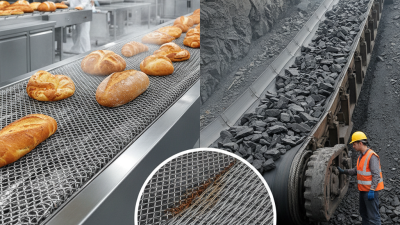
Wire belting plays a crucial role across diverse industries. Its versatility makes it a preferred choice for many applications, including food processing, automotive, and material handling. For instance, in the food industry, wire belts can withstand high temperatures and are easy to clean. According to a report by MarketsandMarkets, the global conveyor belt market is projected to reach $6.8 billion by 2025, highlighting the increasing reliance on materials like wire belting.
Automotive manufacturers also benefit from wire belting. It supports manufacturing processes requiring precise control and reliable durability. This category of belting can handle heavy loads efficiently, reducing downtime. Moreover, wire belting's ability to facilitate air circulation helps maintain product quality during processing.
Tips: Ensure regular maintenance of wire belts. This prevents wear and prolongs their lifespan. Always monitor belt tension to maintain optimal performance. Training staff on the proper handling of belts can avoid costly mistakes. Lastly, consider the compatibility of wire belting with your specific application needs to maximize efficiency.