Best Mesh Belt Options for Efficient Material Handling?
In the world of material handling, selecting the right equipment is crucial. One key component in this field is the "Mesh Belt." Renowned expert John Smith, a leading figure in the material handling industry, emphasizes that "the right Mesh Belt can enhance efficiency and reduce downtime." This statement highlights the challenges faced by many businesses.
Many companies overlook the importance of a well-designed Mesh Belt. Without reliable options, materials might get stuck or damaged during transportation. This can lead to delays in production and increased costs. A quality Mesh Belt can streamline processes, making operations smoother.
Choosing the best Mesh Belt involves understanding various options and their applications. Mesh Belts come in different materials and designs. This diversity creates an opportunity for customization. However, not all options are created equal. Investing time to assess requirements can save money and headaches down the road.
Types of Mesh Belts for Various Material Handling Applications
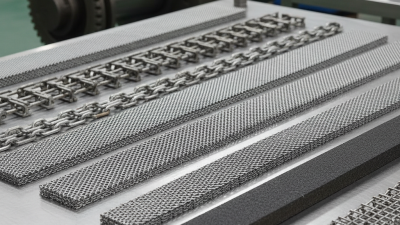
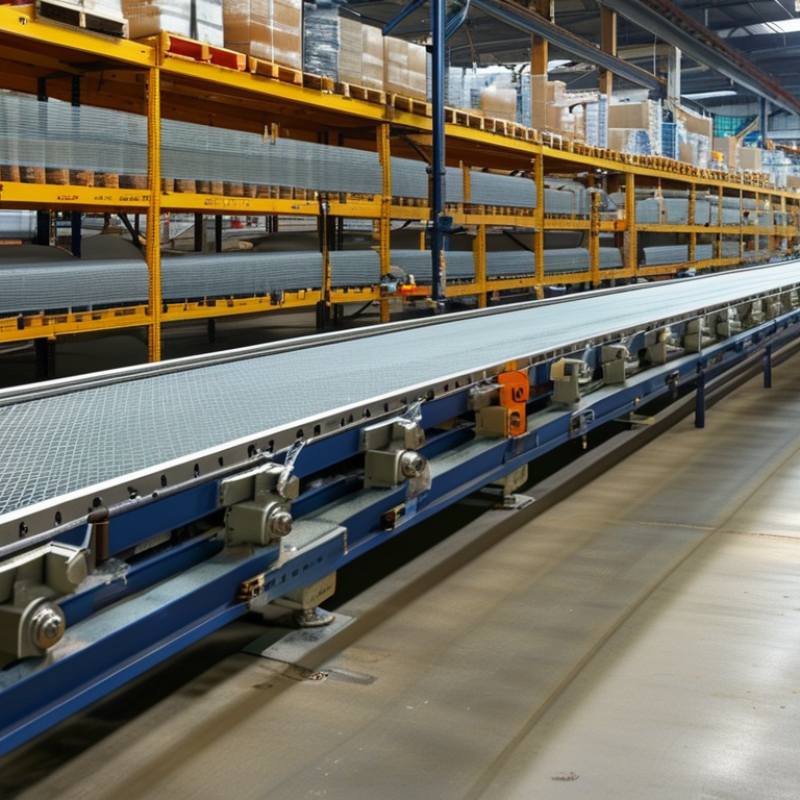
When it comes to material handling, the right type of mesh belt can make a significant difference. Various applications demand specific mesh belts that cater to different materials and environments. For instance, stainless steel mesh belts are widely used in food processing due to their corrosion resistance and hygienic properties. This type allows for easy cleaning, which is essential in maintaining safety standards.
Wire mesh belts are another popular choice. They excel in applications that require airflow, such as drying or cooling processes. Their design allows products to stay stable during transportation while permitting optimal air circulation. It's crucial to assess the material being handled. If heavy items are being moved, consider reinforced mesh belts that can withstand increased loads.
Tip: Always evaluate the mesh size according to the material type. A smaller mesh is suitable for small parts, while larger mesh is ideal for bulk items. If your material handling requires flexibility, choose adjustable mesh widths to optimize efficiency. In some cases, a misaligned belt can cause delays. Regular maintenance checks are vital to ensure smooth operation.
Key Features to Consider When Choosing Mesh Belts
Choosing the right mesh belt requires careful consideration of several key features. Material plays a vital role in durability and application. Stainless steel options resist corrosion and can handle heavy loads. Meanwhile, nylon belts are lighter and suited for smaller items. Each material has its specific advantages and limitations.
Belt width is another crucial aspect. Wider belts can support greater loads but may limit flexibility. Consider the size and weight of the materials being transported. As for design, open mesh patterns allow better airflow and cooling for products during transit. However, these designs can become clogged with debris, requiring regular maintenance.
Flexibility in installation is also essential. Some mesh belts can be customized to fit various machinery configurations. While this adds versatility, it may complicate replacement. Think about how often you might need to adjust or replace belts. A well-chosen mesh belt can enhance efficiency but requires reflection and analysis to meet specific operational needs.
Top Brands and Their Best Mesh Belt Products
Mesh belts are gaining traction in various industries due to their efficiency in material handling. Several leading brands focus on durability, performance, and customizability in their offerings. A recent report from the Material Handling Industry Group notes that more than 60% of manufacturing plants are adopting mesh belts for better workflow management. This data is a testament to their growing prevalence.
The top brands in the market typically emphasize innovation. They integrate features like heat resistance and corrosion prevention. For instance, a leading brand highlights that their mesh belts can withstand temperatures up to 400°F. This specific characteristic is crucial for operations involving high-temperature processes. Moreover, performance metrics reveal that well-designed mesh belts can enhance throughput by 25%. This statistic showcases their ability to streamline operations significantly.
However, not all mesh belts are created equal. Some brands offer products that can wear out faster in demanding environments. It's essential to balance cost with durability. Users should also evaluate the maintenance needs of their chosen products. Reflections on reliability and adaptability are key to ensuring long-term efficiency.
Maintenance Tips for Longevity of Mesh Belts
Proper maintenance of mesh belts is crucial for efficient material handling. Regular cleaning can significantly extend their lifespan. According to industry reports, dirt and debris can cause wear, leading to costly downtimes. A study found that 30% of belt failures are associated with inadequate maintenance. This highlights the importance of clean surfaces.
Routine inspections help identify early signs of wear. Check for damaged areas and ensure proper tension. Using the correct lubrication also helps reduce friction, improving performance. Studies show that belts with regular lubrication last up to 20% longer. However, operators often overlook this step, which can lead to unexpected breakdowns.
Training staff is essential. Many employees lack knowledge about proper maintenance practices. Provide clear guidelines and resources to empower them. An investment in training can reduce operational costs by preventing mishaps. Research indicates that maintenance training can reduce downtime by 25%. Mesh belt maintenance may seem tedious, but it's vital for operational efficiency.
Comparative Analysis of Mesh Belts vs. Other Conveyor Options
Mesh belts offer a unique solution for efficient material handling. They boast excellent airflow and visibility, making them suitable for various applications. Compared to traditional conveyor options, mesh belts reduce friction and wear. This feature leads to lower energy consumption and extended equipment life. Many industries benefit from their lightweight design, which facilitates easier maintenance and installation.
However, mesh belts might not be the best choice in every scenario. They can struggle with heavier loads. In such cases, alternative options, like modular belts, may provide needed strength. It is essential to evaluate the specific requirements of your operation. Some facilities may prioritize heavy-duty transport over airflow benefits. The challenge lies in finding a balance tailored to your needs.
Moreover, mesh belts can have limitations in certain materials. Sticky or small items may fall through the openings. This could lead to inefficiencies in handling and productivity. Analyzing the type of products being conveyed is crucial. Think about the surface nature and weight of materials. Ultimately, considering these factors helps in selecting the right conveyance solution for optimal efficiency.
Best Mesh Belt Options for Efficient Material Handling
| Feature |
Mesh Belts |
Roller Belts |
Flat Belts |
| Cost Efficiency |
Moderate |
High |
Varies |
| Material Versatility |
High |
Moderate |
High |
| Ease of Maintenance |
Easy |
Moderate |
Easy |
| Load Capacity |
Moderate |
High |
Moderate |
| Energy Efficiency |
High |
Moderate |
High |
| Durability |
Moderate |
High |
Moderate |