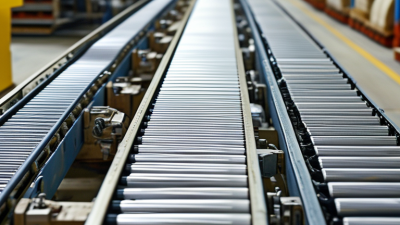
Choosing a Sintering Furnace Belt is not just a matter of matching width and length. The belt must withstand the furnace’s temperature, atmosphere, load, and operating cycle. A mismatch can show up as uneven tracking, premature wear, or parts that exit the furnace with inconsistent results. Small details matter. Wire diameter, mesh opening, edge construction, and belt tension can all affect performance. Yet specifications alone do not tell the whole story; actual operating conditions deserve equal attention.
This guide examines seven practical checks, from material selection and temperature limits to belt support, maintenance, and supplier documentation. It also considers questions buyers sometimes overlook, such as how a belt behaves during startup and whether replacement parts are readily available. A verified furnace-belt specialist could reinforce the advice with a statement such as: “A belt should be selected for the furnace’s real operating conditions, not just its stated maximum temperature.” Please confirm the wording and attribution with a named expert before publication; no source quotation was provided. That caution matters. A polished claim is not proof. Compare technical data with your process, ask suppliers for clear specifications, and review service history where available. Even then, selection involves trade-offs. A careful comparison can reduce avoidable downtime and help buyers make a more dependable choice.
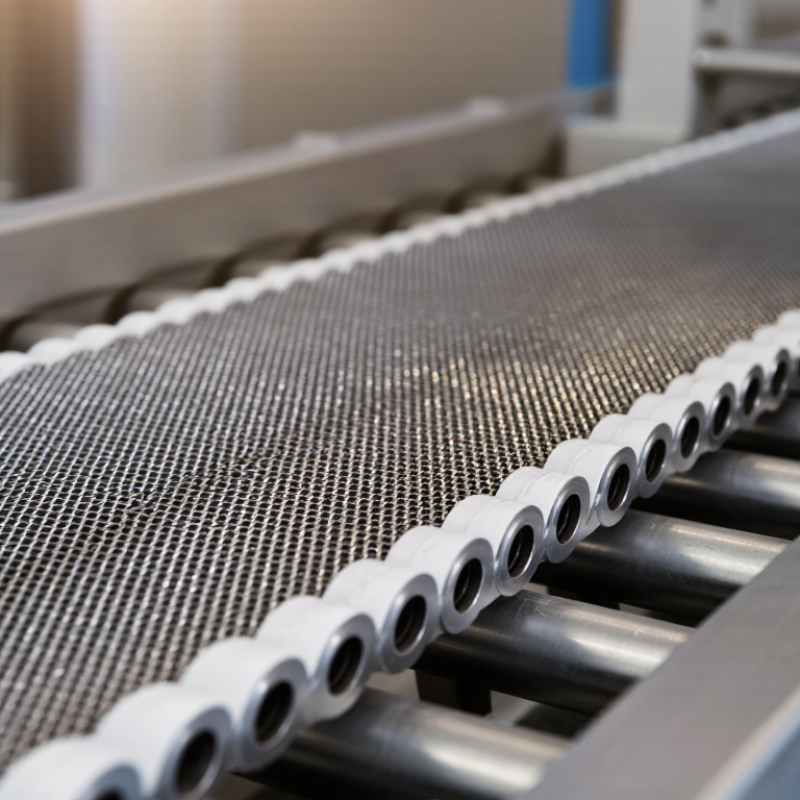
A sintering belt should be specified against the furnace’s actual thermal profile, not its nameplate temperature alone. Record peak temperature, time at temperature, heating and cooling rates, atmosphere, and belt speed. Include the real load: part dimensions, spacing, mass, and any powder or residue that may contact the belt. Small details matter.
Translate those conditions into belt requirements: alloy compatibility, open area, width, edge clearance, allowable tension, and cleaning access. ASM Handbook data place Type 304 stainless steel’s average thermal expansion near 17.3 micrometres per metre per degree Celsius from 20°C to 100°C. This is a reference value, not a substitute for high-temperature design data.
Thermal cycling can change belt length and tracking, so check expansion at the intended operating range with the supplier’s engineering team. Not just the setpoint. Measure the belt path after a representative warm-up, and note whether the loaded belt drifts or rubs at the edges. A spreadsheet can miss that behavior. Keep a little uncertainty in the specification, especially when production loads vary.

7 Tips for Buying a Sintering Furnace Belt?
Choose a Belt Material Suited to Your Process
Tip 1: Match the belt alloy to the furnace atmosphere, peak temperature, and heating cycle. Stainless steel mesh may suit moderate conditions, while nickel alloys can offer better resistance to heat and oxidation in demanding applications. Check the alloy’s rated operating range; brief temperature spikes still matter. Small details matter.
Tip 2: Consider the product and belt together. Fine parts may need a tighter mesh to prevent loss, while heavier loads require suitable wire diameter and belt strength. Mesh openings also affect airflow and heat transfer, so a denser weave may change how evenly parts heat. Tip 3: Ask how the belt handles repeated thermal expansion and cooling. A belt that runs well cold can behave differently at operating temperature. Test it under realistic loading.
Tip 4: Confirm compatibility with cleaning methods and any process gases. Tip 5: Review edge construction, splice design, and tracking requirements with the furnace operator. These details can affect wear and downtime. Tip 6: Request material documentation and operating guidance, then compare them with your actual process conditions. Tip 7: If possible, trial a short belt run before committing to a production-length replacement. Supplier guidance helps, but it may not capture every wrinkle in your line. Record belt temperature, load, speed, and wear during the trial.
7 Tips for Buying a Sintering Furnace Belt?
Start with the working width, total loop length, and tracking method. Measure the old belt under light tension, then check the furnace drawing; worn belts can stretch. Record the usable hot-zone width, too. A belt that fits cold may wander when heated. ISO 9044:2016 covers woven-wire cloth apertures from 16 micrometres to 16 millimetres. That range helps define mesh options, but it does not specify a furnace belt’s operating limit.
Match mesh opening and wire diameter to the smallest parts being carried. Fine mesh supports small components, yet it can restrict gas flow and collect residue. Open mesh improves circulation but may mark soft parts. Check the actual opening, not just the mesh count. A small sample under a lamp can reveal blocked or uneven openings. It is an imperfect check, but useful before ordering.
Calculate the moving load from parts, trays, and the belt itself. Then ask the supplier for allowable load at your operating temperature, belt speed, and support spacing. Room-temperature strength is not enough. ASTM E11 gives sieve-aperture tolerances, but those values should not be treated as furnace-belt load data. Request a load-versus-temperature curve and confirm the drive can handle the loaded belt. Do not guess here. A lightly loaded trial run can expose sag, edge curl, or tracking drift before production starts.
Check belt dimensions, mesh design, and load capacity before comparing options.
The chart shows an example 100-point evaluation plan, not industry-wide statistics. Measure the existing belt’s width and length, confirm mesh opening and wire diameter against the product and process, and check allowable load at operating temperature. Also assess belt material, furnace temperature, speed, tracking, and maintenance needs; confirm the final specifications for your application.
A sintering furnace belt faces heat, load, and repeated thermal cycling. Its manufacturing quality affects tracking, product consistency, and maintenance intervals. Ask for material certificates, wire-diameter tolerances, weld inspection records, and flatness measurements. Request a hot-run test report, not only photographs. Small defects matter: a rough edge can mark parts or accelerate wear. Paperwork matters.
Tip: Assess supplier support before comparing prices. Deloitte and The Manufacturing Institute’s 2024 workforce study estimated that 1.9 million U.S. manufacturing jobs could remain unfilled by 2033. That projection is not belt-specific, but it highlights the value of accessible technical expertise. Ask who handles installation questions, how quickly they respond, and whether they can investigate tracking drift or premature wear. Get the service process in writing.
Tip: Check whether support continues after delivery. Ask about spare-belt lead times, repair options, and the information required for a failure analysis. A capable supplier should explain operating limits plainly and review furnace conditions before recommending a belt. Request references from comparable sintering applications, then ask what went wrong and how it was resolved. A polished brochure is not proof. I might overlook this when a sample looks excellent; a clear response plan is harder to fake.
A sintering furnace belt should be compared by total operating cost, not purchase price alone. A cheaper belt may need more frequent replacement, extra installation labor, or unplanned production stops. Include those costs in your comparison. Even a short shutdown can delay a full batch.
Ask how service-life estimates relate to your operating conditions: temperature, load, belt speed, and furnace atmosphere. Compare cost per operating hour where possible, rather than relying on price per belt. Track operating hours and inspect the belt regularly. Look for curled edges, worn joints, or uneven mesh. Small details matter. I would treat any lifespan figure as a planning estimate, not a promise; actual wear varies between lines.
Replacement needs affect cost, too. Check how much notice is required to obtain a new belt, and whether installation can fit planned maintenance windows. Keeping a replacement on hand may reduce downtime, but ties up budget and storage space. Record the reason for each change, such as edge damage or stretching. The record may be imperfect, especially when several issues appear together, but it can still reveal patterns and improve future purchasing decisions.
| 7 Tips for Buying a Sintering Furnace Belt? — Compare Total Cost, Service Life, and Replacement Needs | |||
|---|---|---|---|
| Tip | What to Compare | Practical Data or Check | Buying Decision |
| 1 | Operating temperature and atmosphere | Specify the belt-zone temperature, peak temperature, and whether the atmosphere is oxidizing, reducing, or otherwise controlled. As broad material reference points in oxidizing service, 304 stainless steel is commonly used up to about 870°C, 310S up to about 1,050°C, and alloy 601 up to about 1,200°C. These are not guaranteed belt operating limits. | Ask the supplier to confirm suitability for the actual temperature, atmosphere, load, and belt design. Do not select a belt from a temperature number alone. |
| 2 | Material and construction | Compare the alloy, wire diameter, mesh or weave, belt thickness, and edge construction. A heavier wire or more robust construction may improve resistance to mechanical wear, but can also increase belt mass and purchase cost. | Match the construction to the part size, load, furnace configuration, and required airflow or heat transfer. Request a drawing and full material specification with the quotation. |
| 3 | Expected service life | There is no reliable universal service-life figure: belt life varies with temperature, atmosphere, loading, speed, tracking, cleaning, and abrasion. Compare operating hours or production volume under conditions similar to your own, and record the date, hours, and cause of each belt change. | Treat life claims as application-specific estimates. Ask what operating conditions and failure criteria support the quoted estimate. |
| 4 | Total cost of ownership | Compare total cost over the same period: belt purchase price + installation labor + planned maintenance + changeover downtime + costs associated with damaged or delayed production. | A lower purchase price is not necessarily the lower-cost option if it requires more frequent changes or longer shutdowns. Use your own downtime and production-cost data. |
| 5 | Replacement needs and warning signs | Inspect for broken or missing wires, cracked or distorted edges, permanent elongation, poor tracking, damaged joints, and openings that affect part support. These conditions can signal wear or damage; acceptable limits depend on the furnace and product. | Agree on inspection frequency and replacement criteria before ordering. Keep a compatible spare belt if an unplanned change would interrupt production. |
| 6 | Dimensions, joint, and fit | Confirm belt width, total length, travel direction, joint or splice type, edge style, and drive arrangement. Check these against the existing belt and the furnace drawing; small fit differences can cause tracking or installation problems. | Have the supplier verify the dimensions and joint design in writing. Confirm installation requirements and whether the belt can be fitted during the available shutdown window. |
| 7 | Support, lead time, and spare planning | Compare quoted manufacturing and delivery lead times, installation guidance, inspection support, and the availability of repeat orders to the same specification. Confirm the quoted delivery date and what information is needed to reorder. | Include replacement availability and the cost of holding a spare in your maintenance plan, especially when a belt is made to a non-standard size or construction. |
| Note: Temperature figures are broad reference values for materials in oxidizing service, not guaranteed limits for a specific conveyor belt. Actual suitability and service life depend on belt design and operating conditions; confirm them with the belt manufacturer for the intended application. | |||