Ultimate Tips for Choosing the Best Food Conveyor Belt?
In the food processing industry, the Food Conveyor Belt plays a vital role in enhancing efficiency. According to a recent report by the Food Processing Technology Journal, conveyor systems can improve production speed by 20-50%. This makes choosing the right Food Conveyor Belt crucial for businesses aiming to maximize productivity.
However, selecting a Food Conveyor Belt involves several considerations. Material composition, temperature tolerance, and durability are key factors. Industry standards indicate that the life span of a belt can vary significantly based on usage. For instance, belts exposed to extreme temperatures may degrade faster than anticipated. It’s important to balance cost and quality.
Moreover, many companies overlook maintenance needs. Regular inspections are essential to ensure optimal functionality. Failing to do so can lead to unexpected breakdowns, affecting overall productivity. While the benefits of a suitable Food Conveyor Belt are clear, the selection process demands careful thought and expertise. The right choice can lead to significant advancements in production efficiency.
Key Factors to Consider When Selecting Food Conveyor Belts
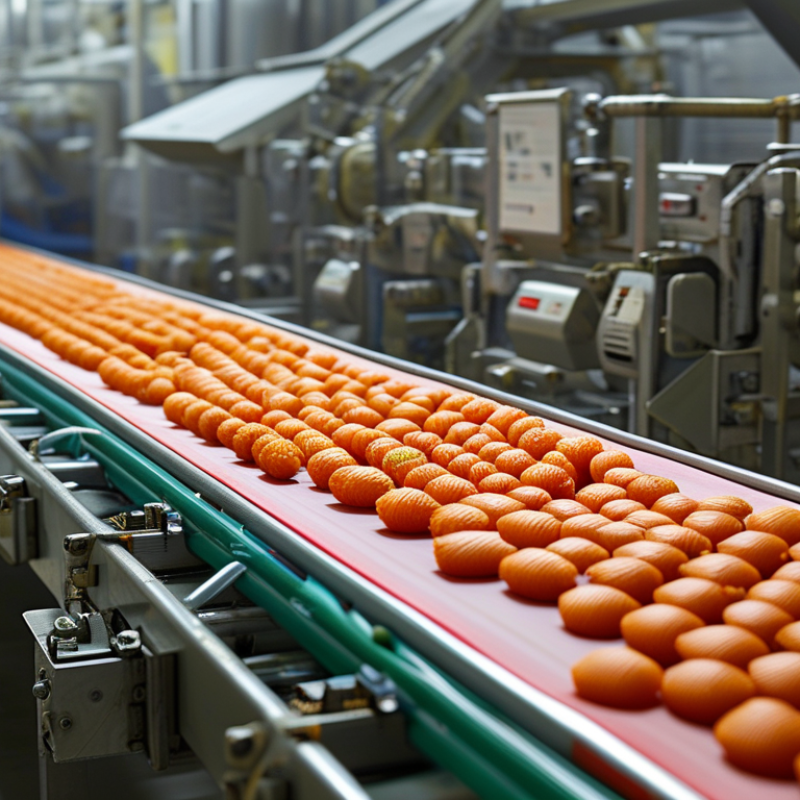
Choosing the right food conveyor belt is crucial for efficiency and safety in any food processing environment. The materials used in the construction of the conveyor belt play a significant role. For instance, belts made of stainless steel are often preferred due to their durability and resistance to corrosion. However, some operations may need belts made from PVC or other materials for specific applications. Consider the environment where the belt will operate, whether it is wet, dry, or exposed to extreme temperatures.
Another important factor is the belt's surface texture. A textured surface can help with grip, preventing slippage during transport. This is critical when handling items such as fresh produce that require careful movement. Additionally, you should assess the belt’s ease of cleaning. Conveyor belts in food operations must meet strict hygiene standards. A belt that is easy to disassemble and clean can save time and reduce risks of contamination.
Lastly, consider the conveyor system's overall design and compatibility with existing equipment. Will it fit seamlessly into your current operations? Ensuring that the conveyor belt meets your specific needs can lead businesses to overlook important details, leading to inefficiencies. Balancing functionality, maintenance needs, and operational requirements can be challenging. Reflect on these factors closely to make well-informed choices.
Types of Food Conveyor Belts and Their Applications
When selecting a food conveyor belt, understanding the types available is crucial. There are several common types of food conveyor belts, each suited to different applications. Modular plastic belts are highly versatile and can be customized for various food processing needs. They offer durability and easy maintenance, making them a popular choice in many facilities.
Another type is fabric conveyor belts. These are great for gentle handling of baked goods or fragile items. Their flexibility allows them to navigate tight corners in production lines. Metal belts, on the other hand, are ideal for high-temperature applications. They can handle extreme conditions, such as when foods are cooked or baked.
**Tips**: Consider the specific food product being transported. Different products may require specialized belts. Always consult with an expert to ensure proper selection. Evaluate the cleaning process too. Some belts are easier to clean than others, affecting food safety. Lastly, think about the future. Will your operations expand? Choose a conveyor belt that can adapt to changing needs.
Material Selection for Food Conveyor Belts: Pros and Cons
When selecting materials for food conveyor belts, understanding their pros and cons is essential. Common materials include stainless steel, plastic, and rubber. According to a recent industry report from the Food and Drug Administration (FDA), over 30% of conveyor belt failures are related to improper material choices. Each of these materials has unique properties affecting hygiene, durability, and cost.
Stainless steel offers robustness and resistance to corrosion. It can endure high temperatures and is easy to clean, making it ideal for food processing. On the downside, it is often more expensive and can be prone to scratches if not handled correctly. Plastic belts are lighter and easier to install. However, they have limits on heat exposure, which may lead to degradation over time. Rubber belts provide flexibility but can trap bacteria if not properly maintained.
Tip: Always consider the specific food type when choosing materials. Conduct regular inspections to ensure the integrity of the conveyor belt. It is important to weigh the long-term operational costs against initial investment. Balancing these factors can significantly enhance food safety and production efficiency.
Ultimate Tips for Choosing the Best Food Conveyor Belt
| Material |
Pros |
Cons |
Best Use Cases |
| PVC |
Durable, flexible, and easy to clean |
Not suitable for high-temperature applications |
Beverage and packaging industries |
| Polyurethane |
High resistance to abrasion and chemicals |
More expensive than PVC |
Meat and food processing |
| Stainless Steel |
Excellent hygiene and temperature resistance |
Heavy and can be costly |
Bakery and confectionery |
| Nylon |
Lightweight and strong |
Limited chemical resistance |
Snack food processing |
| Rubber |
Good grip and surface friction |
Can degrade over time with certain foods |
Fruit and vegetable handling |
Maintenance Tips to Ensure Longevity of Food Conveyor Belts
Maintaining food conveyor belts is crucial for long-term performance in the industry. Regular inspections are key. Research shows that 70% of conveyor breakdowns occur due to inadequate maintenance. Visual checks can help identify wear, fraying, or contamination on the belts. Addressing these issues early can prevent costly downtimes.
Proper cleaning routines are essential. Food residues can lead to bacterial growth and compromise safety. The USDA recommends using food-safe cleaning agents to sanitize belts. Establishing a daily cleaning schedule ensures the belts remain hygienic. In addition, lubrication of moving parts is essential for smooth operation. Applying the right lubricant can increase belt life significantly.
Training staff on best practices is vital. Many operations overlook the importance of staff knowledge. A report by the Conveyor Equipment Manufacturers Association highlights that operations with trained personnel see a 30% increase in efficiency. Regular training sessions can empower employees to spot potential issues before they escalate, ultimately improving overall conveyor performance.
Regulatory Compliance and Safety Standards for Food Conveyors
When selecting a food conveyor belt, safety standards are crucial. Food conveyors must comply with industry regulations. These include guidelines from health and safety authorities. Non-compliance can lead to severe consequences, including health risks and financial losses.
Material choice is vital. Conveyors should use food-grade materials. This ensures they do not contaminate the food being transported. Regular inspections are necessary. They help maintain safety and operational efficiency. Staff should be trained to identify potential issues. This proactive approach reduces risks in the production line.
Another important aspect is ease of cleaning. Conveyor designs should allow for quick access. A belt that’s difficult to clean can harbor bacteria. Proper maintenance schedules are necessary. Even small lapses can lead to serious problems. Choosing the right food conveyor belt requires attention to detail. Understanding these standards is essential for safe food processing.