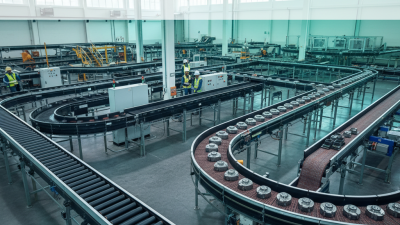
Choosing the right Industrial Belting can determine whether a production line runs smoothly or repeatedly loses valuable hours. Belt selection affects throughput, product quality, maintenance costs, workplace safety, and energy use. A belt that looks suitable on a sample table may stretch under tension, crack beside a hot oven, or slip when oil reaches the pulley.
Manufacturing quality expert W. Edwards Deming said, “Quality comes not from inspection, but from the improvement of the production process.” His principle applies directly to belt selection. The best decision begins before failure occurs. It considers the material being conveyed, belt speed, load weight, pulley diameter, temperature, moisture, chemicals, and cleaning methods.
Details matter.
A food-processing belt may need a hygienic surface and frequent washdown resistance. A mining belt may require strong tensile performance and protection against abrasion. A packaging line may need accurate tracking, quiet movement, and consistent grip. These conditions are different, even when the belts appear similar.
This guide presents ten practical tips for choosing Industrial Belting with greater confidence. It examines belt construction, cover materials, profiles, splicing methods, tracking, and supplier support. It also encourages careful questioning instead of relying on familiar specifications. That approach is not perfect. Real facilities change, operators make mistakes, and application data can be incomplete. I have seen selections fail because one small detail was ignored, such as a pulley diameter measured incorrectly or a cleaning chemical left untested.
Good choices are rarely based on price alone. They come from matching belt performance to the complete operating environment. When technical evidence, field experience, and dependable supplier advice work together, the belt becomes more than a replacement part. It becomes a controlled part of the process.
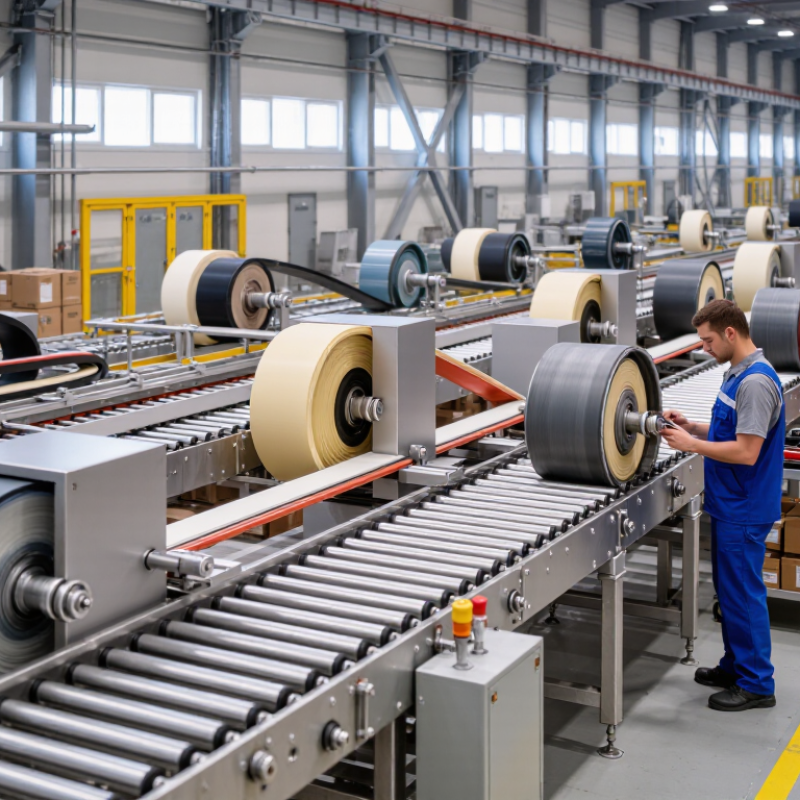
Choosing industrial belting starts with the conveyed material, not the belt catalog. In plant inspections, I check load shape, sharp edges, moisture, dust, and oil residue. These details determine cover compound, tensile strength, and surface texture. Measure belt width, operating speed, incline angle, and maximum load. Measure twice. A belt that suits a dry warehouse may fail quickly beside a hot kiln. Temperature limits, chemical exposure, and pulley diameter also affect service life. Heat changes everything.
Recent market data shows why careful selection matters. Grand View Research estimates the global conveyor belt market reached about USD 4.8 billion in 2023, with continued growth through 2030. MarketsandMarkets projects the broader conveyor system market to rise from roughly USD 8.8 billion in 2023 to USD 12.6 billion by 2028. More equipment means more replacement decisions. Yet market growth does not guarantee correct specification. Do not guess.
Review splice strength, belt tracking, cover thickness, and cleaning requirements before purchase. Confirm compliance with applicable standards, including ISO 14890 where relevant. For food, mining, recycling, or packaging lines, the required properties differ sharply. A practical trial under real load can reveal mistracking, edge damage, or material slippage. Keep records of belt hours, failure locations, and tension settings. I have seen teams select excessive strength, increasing cost without solving tracking problems. The checklist helps, but it is never perfect. Recheck assumptions after installation.
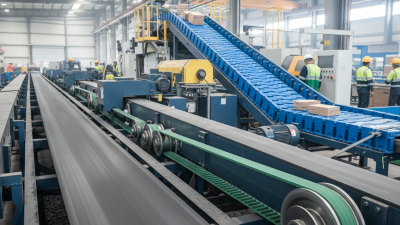
Choosing the right industrial belting starts with identifying the material being conveyed. Rubber, polyurethane, PVC, and woven fabrics react differently to abrasion, oil, heat, and moisture. A belt carrying sharp metal parts needs stronger abrasion resistance than one moving sealed cartons. Measure twice. Details matter.
Load analysis should include more than maximum weight. Check product size, spacing, impact force, belt width, incline, and starting torque. A steady 200-kilogram load may be easier to handle than smaller items dropped repeatedly from a height. Review the conveyor frame, pulley diameter, tracking system, and tension range before selecting belt thickness.
Operating conditions often decide whether a belt performs reliably. Record ambient temperature, washdown frequency, chemical exposure, dust, and running hours. Heat changes everything. A belt near an oven may harden, stretch, or lose grip over time. In cold rooms, flexibility becomes equally important. Confirm the belt’s rated temperature range and cleaning requirements with technical documentation, not guesswork.
In practical inspections, I have found that teams sometimes focus on tensile strength and overlook splice quality. That choice can create premature failure. Ask for test data, installation guidance, and maintenance records. Observe the conveyor during a full production cycle, including startup and shutdown. A checklist helps, but it cannot replace site measurements. I have also selected belts that looked correct on paper yet tracked poorly in service. That is why a controlled trial remains valuable when conditions are unusual.
10 Tips for Choosing the Right Industrial Belting
Matching belt design to equipment and application needs starts with the conveyor, not the catalog. Record load weight, belt speed, pulley diameter, incline, temperature, moisture, and cleaning chemicals. A food line needs different cover materials than a dusty aggregate conveyor. The U.S. Department of Energy reports that motor-driven systems consume about 23% of U.S. electricity. Poor belt tension can increase drive losses. Tip 1: Measure operating conditions before selecting belt construction.
Tip 2: Match belt strength to real tension, not maximum product weight. Consider starting loads, impact, and emergency stops. A belt that is too light may stretch or mistrack. A belt that is too heavy may waste energy and stress bearings. ISO 14890 provides classifications for conveyor belt dimensions and performance, but standards do not replace site testing. I have seen specifications copied from older equipment. That shortcut can fail.
Tip 3: Check pulley diameter and flex-fatigue limits together. Tip 4: Select the correct cover for abrasion, oil, heat, or sanitation. The U.S. Bureau of Labor Statistics continues to identify maintenance and repair occupations as essential across industrial facilities, reflecting the cost of preventable equipment problems. Keep splice access practical. Tip 5: Confirm whether technicians can inspect and replace the belt safely. Belt choice is not perfect on paper; seasonal temperature changes, cleaning routines, and uneven loading may expose weaknesses later. Record those findings and revise the specification.
10 Tips for Choosing the Right Industrial Belting
Evaluating durability starts with the working environment. Check temperature, moisture, dust, chemicals, and load weight before selecting a belt. Measure pulley diameter and belt speed accurately. Small errors can shorten service life. Choose materials that resist abrasion, stretching, and repeated flexing. A belt may look strong, yet fail quickly under heat or sharp debris. Ask for verified performance data, not only sales claims. Field experience matters here.
Maintenance needs equal attention. Select a belt that technicians can inspect, clean, and replace without excessive downtime. Look for clear joining methods and accessible adjustment points. Keep records of tension, tracking, repairs, and operating hours. Inspect edges, covers, splice areas, and unusual dust during routine checks. Poor alignment often appears as uneven wear. Do not ignore it. I have seen teams replace belts when the real problem was a damaged pulley.
Safety and compliance should guide the final decision. Confirm that the belt suits the machine’s guarding, emergency stops, and operating procedures. Verify applicable workplace, machinery, and material-handling requirements in your region. Request technical documents, test results, and installation instructions from qualified suppliers. Train workers to isolate energy before inspection or repair. Never rely on appearance alone. No checklist catches everything. Review incidents, near misses, and maintenance feedback regularly. A practical choice balances service life, safe handling, legal expectations, and the limits of your actual facility.
Evaluating durability, maintenance, safety, and compliance
The chart shows commonly referenced upper continuous operating temperatures for major industrial belt materials. Actual performance depends on belt construction, load, speed, chemical exposure, splice design, and operating conditions. Always verify the manufacturer’s technical data before selection.
Choosing industrial belting requires more than comparing catalogue prices. Supplier quality often determines performance after installation.
Tip 1: Request material specifications, not general product descriptions. Tip 2: Check the supplier’s production controls and testing records. Tip 3: Ask for traceability by batch or production date. Tip 4: Review delivery capacity during seasonal demand. A low price means little if production stops. I once focused too heavily on purchase cost. That mistake caused expensive downtime later.
Tip 5: Compare total ownership costs, including installation, cleaning, tensioning, and replacement intervals. Tip 6: Examine belt resistance to abrasion, heat, oil, moisture, and impact. Tip 7: Ask for measured performance data under conditions similar to your plant. Supplier references can help, but verify them independently. A polished sales claim is not evidence. Tip 8: Confirm technical support before signing an order. Fast troubleshooting matters when a belt fails during a night shift.
Tip 9: Test a small section or pilot installation before full replacement. Watch tracking, noise, surface wear, and product movement. Tip 10: Read warranty terms carefully, especially exclusions involving alignment or overload. Long-term performance depends on maintenance, not belt material alone. Keep inspection records. Review them honestly. Some failures may reflect poor setup, not poor belting.
| Tip | Evaluation Dimension | Value-Oriented Supplier Profile | Balanced Supplier Profile | Premium-Performance Supplier Profile | Recommended Selection Check |
|---|---|---|---|---|---|
| 1 | Define the application first Material, speed, load, incline, and belt width |
General-purpose PVC or rubber belt; suitable for light-to-medium duty | Application-matched belt construction; suitable for continuous production | Engineered belt with specialized cover, carcass, or surface profile | Confirm belt type against product weight, coefficient of friction, pulley diameter, and operating duty cycle |
| 2 | Compare total purchase cost Quoted belt, fabrication, freight, and installation |
Typical belt price: US$15–35/m² Lower initial expenditure |
Typical belt price: US$30–70/m² Moderate fabrication and delivery costs |
Typical belt price: US$60–150+/m² Higher engineering and customization cost |
Request an itemized quotation showing belt, splice, profiles, freight, commissioning, and taxes separately |
| 3 | Check operating temperature Continuous and peak temperature limits |
Common PVC or standard rubber range: approximately −10°C to 80°C | Heat- or cold-resistant construction: approximately −30°C to 100°C | Specialty compounds may support approximately −40°C to 150°C+, depending on design | Use the belt manufacturer’s continuous-duty rating rather than the short-term peak rating |
| 4 | Evaluate resistance properties Oil, grease, abrasion, chemicals, and moisture |
Basic resistance; best for clean, dry, non-aggressive materials | Enhanced oil, abrasion, or moisture resistance for mixed industrial duties | Specialized cover compound selected for abrasive, oily, chemical, or hygienic service | Obtain compatibility data for the exact chemical concentration, exposure time, and operating temperature |
| 5 | Review tensile strength and load capacity Carcass construction, elongation, and tracking stability |
Light-duty carcass; often appropriate for loads below 50 kg/m, subject to conveyor design | Medium-duty carcass; commonly selected for loads of approximately 50–150 kg/m | Reinforced or heavy-duty carcass; may support 150 kg/m+ when correctly engineered | Verify effective tension, maximum working tension, splice strength, belt width, and conveyor calculations |
| 6 | Compare expected service life Wear rate, fatigue resistance, and duty cycle |
Approximately 1–3 years in moderate service when correctly installed and maintained | Approximately 2–5 years in moderate-to-demanding service | Approximately 4–8+ years in suitable applications with controlled operating conditions | Ask for comparable application references, wear-test results, and the assumptions behind the life estimate |
| 7 | Assess splice and fabrication quality Endless joining, mechanical fasteners, and edge finishing |
Standard splice options; lower fabrication cost but greater variability if installation is not controlled | Factory-prepared splice and documented installation procedure | Application-specific splice design, inspection records, and on-site commissioning support | Confirm splice rating, cure or fastening method, alignment tolerances, and installer qualifications |
| 8 | Measure delivery and replacement risk Lead time, stock availability, and emergency support |
Common sizes may ship in 1–3 weeks; limited custom support | Typical lead time of 2–6 weeks; scheduled stock and standard technical support | Custom solutions may require 4–10 weeks; stronger planning and field support | Compare quoted lead time, local inventory, emergency response, and spare-belt recommendations |
| 9 | Calculate total cost of ownership Purchase, downtime, labor, energy, and replacement frequency |
Lowest initial cost; estimated replacement interval of 1–3 years | Moderate initial cost; estimated replacement interval of 2–5 years | Highest initial cost; potentially lower annualized cost where downtime is expensive | Use: Annualized Cost = Purchase + Installation + Downtime + Maintenance ÷ Expected Service Life |
| 10 | Verify documentation and sustainability Traceability, compliance, maintenance, and disposal |
Basic technical data and limited traceability | Material specifications, maintenance guidance, and batch traceability | Full technical file, compliance declarations, lifecycle data, and recycling guidance where available | Request datasheets, certificates, safety information, warranty terms, and end-of-life handling instructions |